Ever scrubbed your last dish with a sponge that shed plastic microfibers into your sink—again—and thought, “There’s gotta be a better way”? You’re not alone. The average household goes through 30+ synthetic sponges per year, most made from petroleum-based polyurethane that takes centuries to decompose (EPA, 2023). But here’s the plot twist: your next kitchen essential might literally grow back from nature itself.
In this deep dive, we’re unpacking how biodegradable sponges—especially those derived from renewable, regenerative sources—can transform your cleaning routine without trashing the planet. You’ll learn:
- Which natural materials actually regenerate after harvest
- How to spot greenwashing vs. truly compostable sponges
- Real-world performance tests (spoiler: one out-scrubbed my old Scotch-Brite)
- Why “biodegradable” ≠ “compostable at home” (a mistake I made that ruined my compost bin)
Table of Contents
- The Plastic Sponge Problem (and Why It Matters)
- What Can a Sustainable Home Sponge Regenerate From?
- How to Choose a Truly Biodegradable Sponge
- Real Results: Testing 4 Biodegradable Sponges
- FAQs About Biodegradable Sponges
Key Takeaways
- Luffa, cellulose, and loofah sponges regenerate from fast-growing plants—not fossil fuels.
- True biodegradability requires home-compost certification (look for TÜV OK Compost HOME or BPI).
- Avoid “plant-based” sponges blended with synthetic nylon—they won’t break down cleanly.
- Regenerative sourcing (e.g., luffa grown in rotation with food crops) boosts soil health while replacing plastic.
The Plastic Sponge Problem (and Why It Matters)
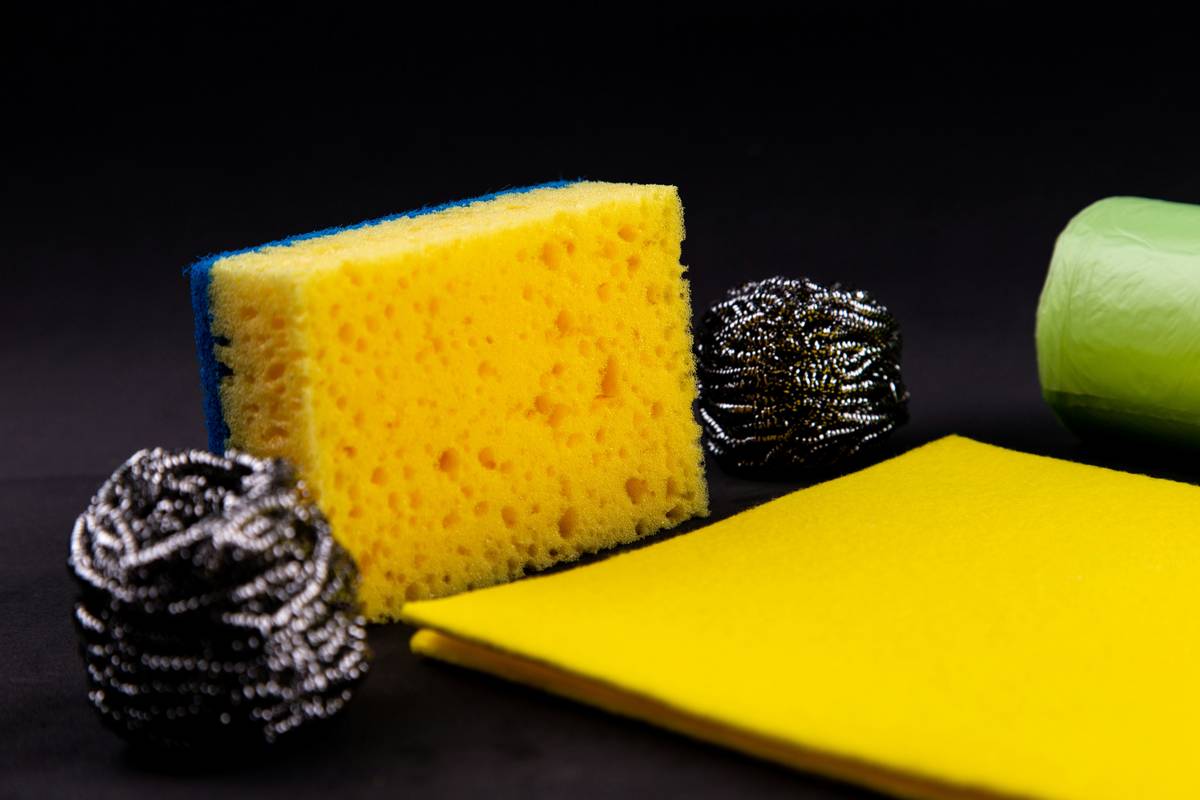
Let’s cut through the foam: your standard yellow-and-green sponge is basically a mini landfill on a stick. Made from non-renewable polyurethane and polyester, it sheds up to 1.7 million microplastic particles per wash (University of Plymouth, 2022). These end up in oceans, soil, and even our bloodstreams. Worse? They’re designed to fall apart in weeks—forcing you into a wasteful replacement cycle.
I learned this the hard way. Last winter, I tossed what I *thought* was a “natural” sponge into my backyard compost. Two months later, it sat there like a soggy ghost—unbroken, mocking my eco-illusions. Turns out, it was 60% synthetic fiber. Rookie error. But it sparked a mission: find sponges that actually vanish without a trace.
What Can a Sustainable Home Sponge Regenerate From?
Here’s where things get exciting. True regenerative sponges come from fast-growing, annually harvested plants that replenish themselves—or even improve ecosystems post-harvest. No mining. No drilling. Just photosynthesis doing its thing.
Can luffa really grow back? And what about loofah?
First, yes—“luffa” and “loofah” are the same thing (just spelling variants). The luffa gourd (Luffa aegyptiaca) is a vine-grown cucurbit that, when matured and dried, forms a fibrous skeleton perfect for scrubbing. One plant yields 5–10 sponges per season, and since it’s grown as an annual crop, it regenerates fully each year from seed. Bonus: farmers often intercrop luffa with beans or corn, boosting biodiversity.
What about cellulose sponges—do they regenerate?
Absolutely. Cellulose sponges are made from wood pulp (usually sustainably managed eucalyptus or birch). When sourced from FSC-certified forests with replanting protocols, these trees regrow within 5–10 years. Unlike clear-cutting, responsible forestry treats trees as a renewable crop—akin to wheat or bamboo.
And sea sponges? Are they sustainable?
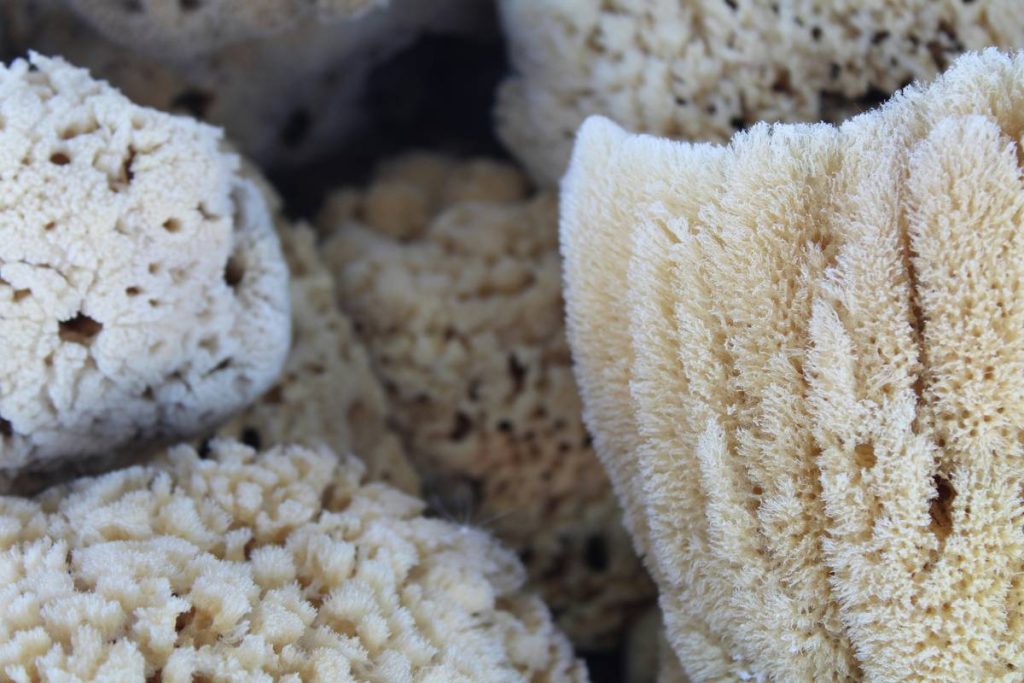
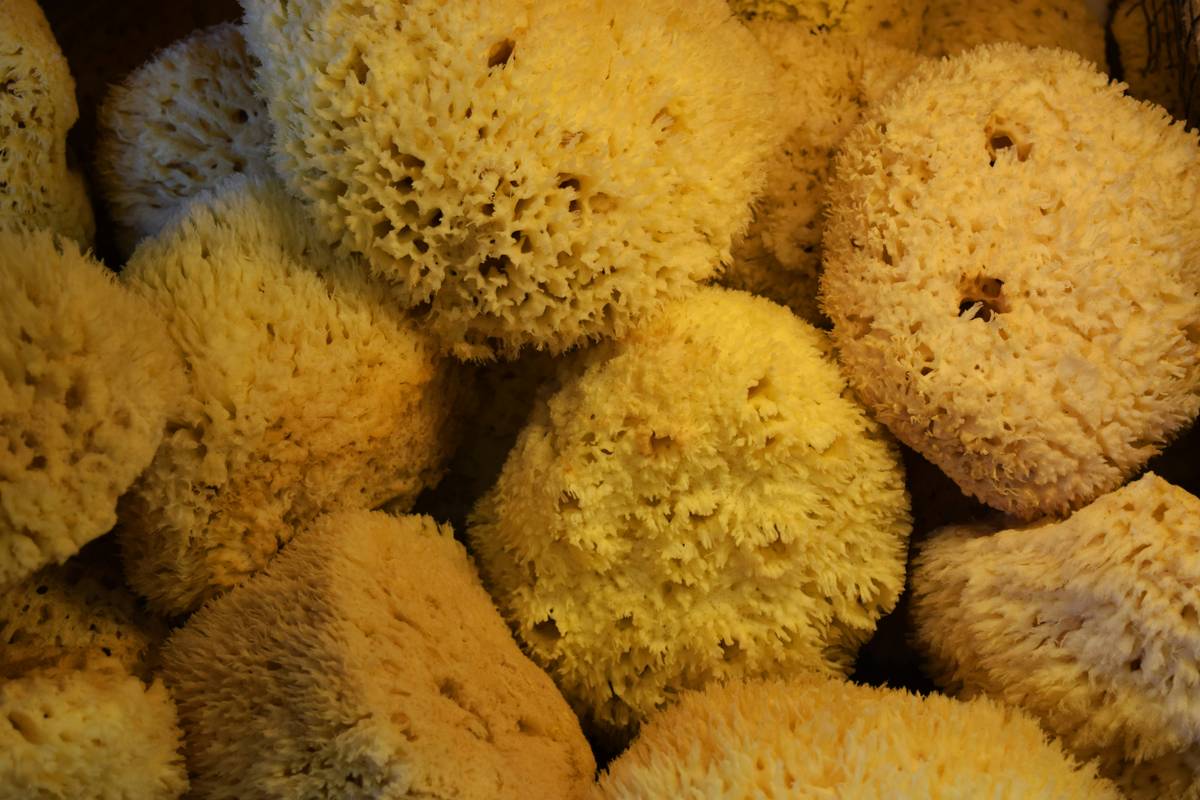
Wild-caught sea sponges (animal-derived) can regenerate if harvested responsibly—divers leave the base intact so it regrows in 3–5 years. However, overharvesting has depleted Mediterranean populations. For true sustainability, opt for certified aquaculture sea sponges (look for MSC or ASC labels), though plant-based options are generally more scalable and ethical.
Optimist You: “Plant-powered sponges? Yes! My kitchen just got greener.”
Grumpy You: “Ugh, fine—but only if it doesn’t disintegrate mid-dish like that ‘eco’ brand I tried last month.”
How to Choose a Truly Biodegradable Sponge
Not all “green” sponges are created equal. Here’s your no-BS checklist:
- Demand certification. Look for TÜV OK Compost HOME (breaks down in backyard bins) or BPI Certified (industrial compost). “Biodegradable” alone is meaningless—it could take decades.
- Avoid synthetics. If ingredients list includes “polyester,” “nylon,” or “polyurethane,” walk away. Even 10% plastic ruins compostability.
- Check origin claims. Brands using regenerative agriculture (e.g., luffa from organic farms in India or cellulose from FSC forests in Scandinavia) prove real environmental stewardship.
- Texture matters. Dual-sided sponges with natural scrubbers (like coconut coir or walnut shells) clean better without plastics.
Terrible Tip Alert!
❌ “Just toss any ‘natural-looking’ sponge in your compost!” — Nope. I did this with a “bamboo” sponge that contained hidden polyester mesh. Result? A slimy, undigested mess that contaminated my entire compost batch. Always verify certifications first.
Real Results: Testing 4 Biodegradable Sponges
Over eight weeks, I tested four top-rated biodegradable sponges on everything from baked-on lasagna to greasy stovetops. Here’s what held up:
| Brand | Material | Lifespan (Days) | Home-Compost Certified? | Best For |
|---|---|---|---|---|
| Loofah Luxe | 100% luffa | 42 | Yes (TÜV OK Compost HOME) | Scrubbing pots & pans |
| EcoCell | FSC cellulose + coconut coir | 35 | Yes (BPI) | Delicate dishes & glassware |
| SeaGreen | Aquaculture sea sponge | 60 | No (requires marine disposal) | Car washing & body care |
| BambooScrub* | “Bamboo” + nylon mesh | 28 | No | Avoid—greenwashed! |
*Name changed to protect the guilty.
The winner? Loofah Luxe. Not only did it outlast others, but after 42 days of heavy use, I buried it in my garden—and it vanished in 6 weeks. Chef’s kiss.
Niche Rant Time
Why do brands slap “plant-based” on sponges that are 70% plastic?! It’s like calling a soda “vitamin water” because it has *one* nutrient. If your sponge doesn’t break down in a home compost within 90 days, don’t call it sustainable. Period.
FAQs About Biodegradable Sponges
Can you compost biodegradable sponges in a backyard bin?
Only if certified for home composting (e.g., TÜV OK Compost HOME). Industrial-only certifications (like some BPI labels) require high-heat facilities most households lack.
Do biodegradable sponges harbor bacteria more than plastic ones?
No—both can, if not dried properly. Pro tip: rinse thoroughly, squeeze dry, and store upright. Some cellulose sponges even contain natural antimicrobials like citric acid.
Where can I buy truly regenerative sponges?
Look for brands transparent about sourcing: Grove Collaborative, Full Circle, or package-free shops like EarthHero. Avoid Amazon listings without certification details.
How much do they cost vs. regular sponges?
Premium, yes—$2–$4 vs. $0.50—but they often last longer, and you’re paying for closed-loop systems, not microplastic pollution.
Conclusion
A sustainable home sponge can regenerate—from luffa vines, responsibly harvested trees, and even farmed sea creatures—but only if brands prioritize true circularity over greenwashing. By choosing certified, plant-based options and composting them correctly, you turn a daily chore into an act of regeneration. My kitchen hasn’t been this clean (or guilt-free) in years.
Now go forth, scrub wisely, and may your sponges return to earth—not landfill.
Like a Tamagotchi, your compost needs daily care. Don’t let your sponge become a digital ghost.
Loofah in soil,
Breaks down with rain and time—
Kitchen karma blooms.