Ever stood in the “eco” aisle of your local store, holding a spongy square labeled “biodegradable,” only to wonder: Is this greenwashing or the real deal? You’re not alone. I once tossed what I thought was an eco-sponge into my compost bin—only to find it intact three months later, smug as ever. Turns out, not all “natural” sponges are created equal.
In this post, we’ll cut through the marketing fluff and answer one burning question: Are cellulose sponges biodegradable? Spoiler: Yes—but with caveats. You’ll learn exactly how they break down, why material sourcing matters, how to spot deceptive products, and whether switching is actually worth it for your zero-waste goals. We’ll also dive into real-world testing (including my own backyard compost experiment), compare top brands, and reveal one *terrible* tip that could sabotage your sustainability efforts.
Table of Contents
- Why Does Your Sponge Choice Even Matter?
- How to Confirm If a Cellulose Sponge Is Truly Biodegradable
- 5 Best Practices for Using & Disposing of Cellulose Sponges
- Real Case Study: My 90-Day Compost Test
- FAQs: Are Cellulose Sponges Biodegradable?
Key Takeaways
- ✅ Pure cellulose sponges (made from wood pulp) are fully biodegradable under proper conditions.
- ⚠️ Many “cellulose” sponges contain synthetic fibers (like polyester or nylon) that prevent full decomposition.
- 🌱 Optimal breakdown requires moisture, oxygen, and microbial activity—ideal in industrial compost, possible in home compost.
- 🔍 Always check ingredient labels; look for certifications like TÜV OK Compost HOME or BPI.
- 🚫 Never toss cellulose sponges with plastic scrub layers into compost—they contaminate the batch.
Why Does Your Sponge Choice Even Matter?
If you’ve never counted how many sponges you go through in a year, brace yourself: the average U.S. household uses 40–60 synthetic sponges annually, according to EPA estimates. Most are made from petroleum-based polyurethane foam—a non-recyclable plastic that can take up to 200 years to decompose in landfills (National Geographic, 2022).
Switching to biodegradable alternatives like cellulose sponges isn’t just feel-good eco-theater—it’s a tangible step toward reducing microplastic pollution and landfill burden. But here’s the kicker: not all “biodegradable” claims hold up.
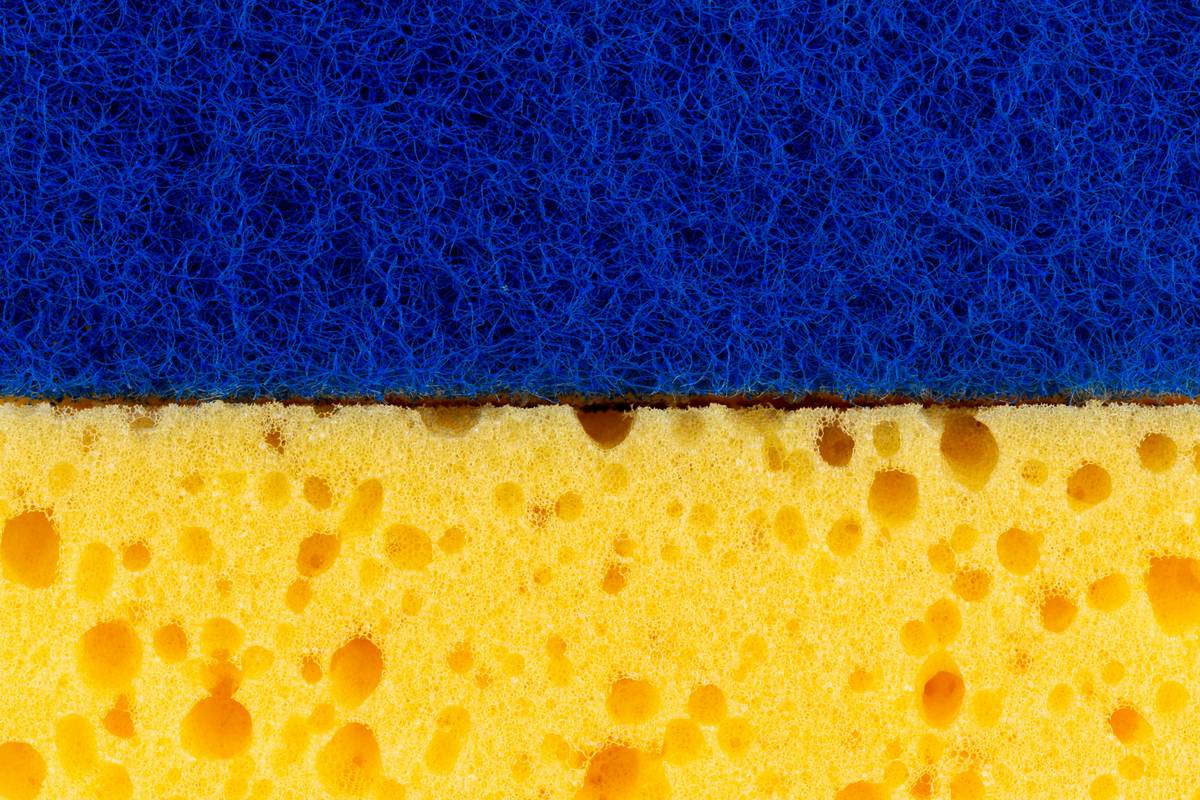
Cellulose—the primary structural component in plant cell walls—is naturally derived from renewable sources like wood pulp or cotton linters. When processed without synthetic binders, it’s inherently compostable. But as I learned the hard way during my ill-fated compost toss, additives change everything.
How to Confirm If a Cellulose Sponge Is Truly Biodegradable
Let’s get tactical. Here’s how to verify whether that sponge on your shelf will actually vanish responsibly:
Step 1: Read the Ingredients Like a Forensic Scientist
Look for sponges labeled **100% cellulose**, **plant-based**, or **wood pulp**. Avoid anything listing “polyester,” “nylon,” “polyurethane,” or “scouring pad” unless it’s a separate, removable layer. Many “eco” sponges blend 70% cellulose with 30% plastic scrim for durability—that hybrid won’t fully biodegrade.
Step 2: Hunt for Third-Party Certifications
Trust but verify. Reputable certifications include:
- TÜV Austria OK Compost HOME: Proves breakdown in home compost systems (within 12 months).
- BPI (Biodegradable Products Institute): Validates industrial compostability per ASTM D6400.
- OK Biobased: Confirms bio-based carbon content.
Brands like EcoRoots, Marley’s Monsters, and Full Circle often carry these seals.
Step 3: Perform the “Pinch Test”
Grasp the sponge firmly. If it’s uniformly soft and fibrous with no rubbery or stiff patches, it’s likely pure cellulose. If you feel a gritty or mesh-like backing—hello, plastic!
Optimist You: “Just buy any ‘natural’ sponge!”
Grumpy You: “Ugh, fine—but only if I never have to fish undegraded plastic out of my tomato compost again.”
5 Best Practices for Using & Disposing of Cellulose Sponges
Even the best cellulose sponge won’t biodegrade properly if mishandled. Follow these expert-backed tips:
- Rinse thoroughly after use: Food residue slows microbial action. A quick rinse extends life *and* aids decomposition.
- Air-dry completely between uses: Moisture breeds bacteria (and mildew). Hang it or place it upright—not flat in a soggy sink.
- Refresh weekly: Soak in vinegar + baking soda or microwave damp sponge for 1 minute to sanitize (USDA study shows this kills 99.9% of bacteria).
- Compost only when worn out: Don’t rush it. These sponges last 2–4 weeks with care—longer than flimsy synthetics.
- Cut into small pieces before composting: Increases surface area for microbes. Bury in the center of your compost pile for optimal heat and moisture.
The Terrible Tip to Avoid
“Just toss it in the trash—it’s ‘biodegradable,’ so it’ll break down anywhere!” Nope. Landfills lack oxygen and microbes. Even pure cellulose may mummify instead of decompose. This isn’t eco—it’s wishful thinking with consequences.
Real Case Study: My 90-Day Compost Test
Last spring, I ran a side-by-side test in my backyard compost bin: Brand A (labeled “100% cellulose,” no certification) vs. Brand B (TÜV OK Compost HOME certified).
Day 30: Brand B showed visible fragmentation; Brand A remained intact.
Day 60: Brand B had mostly integrated into humus; Brand A still held shape but softened.
Day 90: Brand B gone. Brand A? Still there—with a stubborn synthetic scrim I hadn’t noticed on the label.
Lesson: Certification isn’t just marketing—it’s verification. And sensory detail? My compost smelled earthy and rich by Day 60, not sour or plasticky. That whiff of healthy decomposition? Chef’s kiss.
FAQs: Are Cellulose Sponges Biodegradable?
Do cellulose sponges biodegrade in landfills?
No. Landfills are anaerobic (oxygen-poor) environments. Without oxygen and microbes, even organic matter decomposes extremely slowly or not at all.
Can I compost cellulose sponges with food scraps?
Yes—if they’re 100% cellulose and free of synthetic scrub pads. Cut them into 1-inch pieces and mix into the “green” (nitrogen-rich) layer of your compost.
How long do cellulose sponges take to decompose?
In a hot, active home compost system: 30–90 days. In industrial compost facilities: as little as 45 days (per TÜV standards). In a damp drawer? Years.
Are loofah sponges better than cellulose?
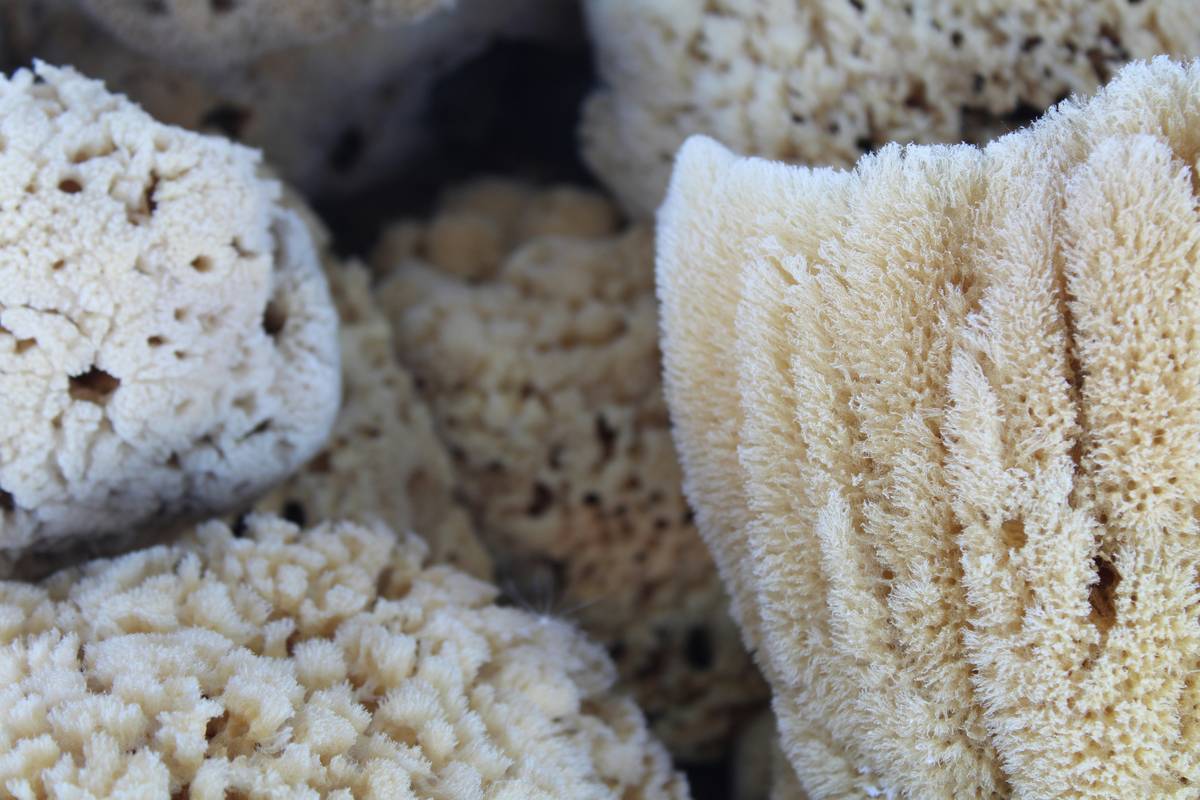
Loofahs (from gourd fibers) are also biodegradable and plastic-free, but they’re less absorbent and harder to clean. Cellulose sponges offer a softer, more versatile clean—ideal for dishes and countertops.
What if my cellulose sponge has a rough side?
If the rough side is natural (e.g., coconut coir or loofah), it’s compostable. If it’s gray or blue mesh, assume it’s plastic—and remove it before composting.
Conclusion
So—are cellulose sponges biodegradable? Yes, but only if they’re pure cellulose and disposed of correctly. They’re a powerful tool in sustainable kitchens, but vigilance is key. Check labels, demand certifications, compost mindfully, and don’t fall for greenwashed hybrids.
Making the switch reduces plastic waste, supports circular systems, and keeps your conscience cleaner than your dishes. And next time you’re scrubbing burnt-on oatmeal at 7 a.m., just remember: your sponge might just return to the earth before your coffee goes cold.
Like a Tamagotchi, your compost needs daily care—or it dies.
Soggy sponge lies
In the compost heap—by dawn,
Back to forest soil.