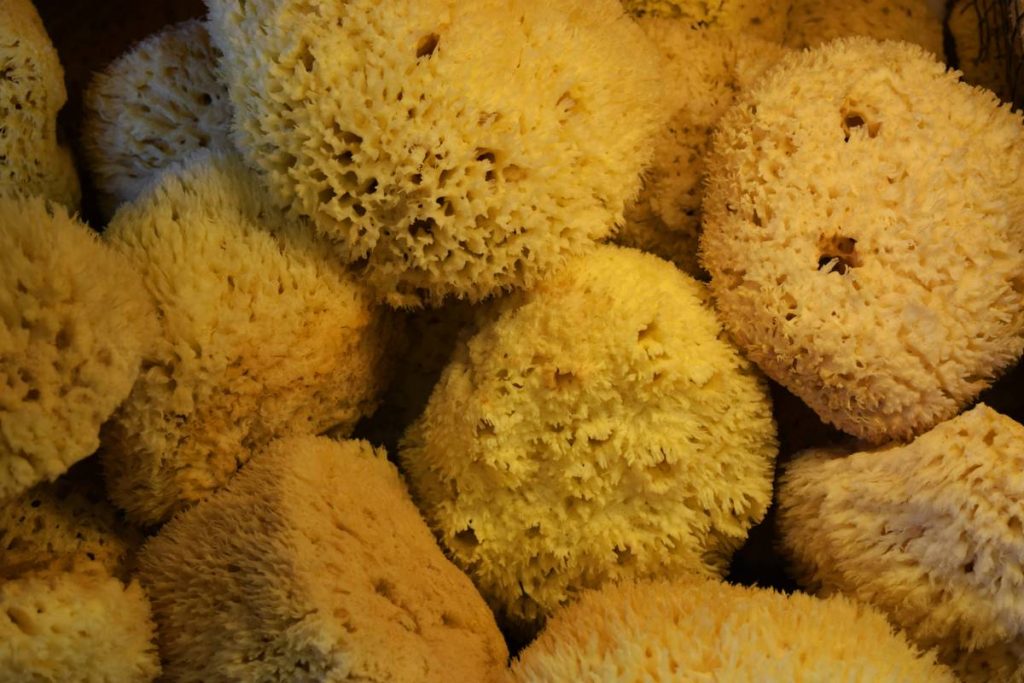
You’re scrubbing a charred roasting pan—again. Your standard sponge disintegrates into flaky confetti after two swipes. Plastic microfibers swirl down the drain. And your conscience? It’s grimier than the stovetop. Enter huge sponges for cleaning: oversized, plant-based powerhouses that outlast synthetic junk by months—and vanish cleanly when their job is done.
The Dirty Truth About Conventional Cleaning Sponges
Most “kitchen sponges” are petroleum foam wrapped in plastic mesh. They shed microplastics with every squeeze. The EPA estimates over 8 million tons of plastic enter oceans yearly—household cleaners contribute far more than you think. And size? Tiny. Designed for disposability, not durability.
You replace them weekly. Pay more long-term. Harm ecosystems. All for a tool barely bigger than your palm.
How to Switch to Biodegradable Huge Sponges for Cleaning—Without Sacrificing Performance
Transitioning isn’t just eco-theater. Done right, it saves money, reduces waste, and actually cleans better. Here’s how:
Choose the Right Material Base
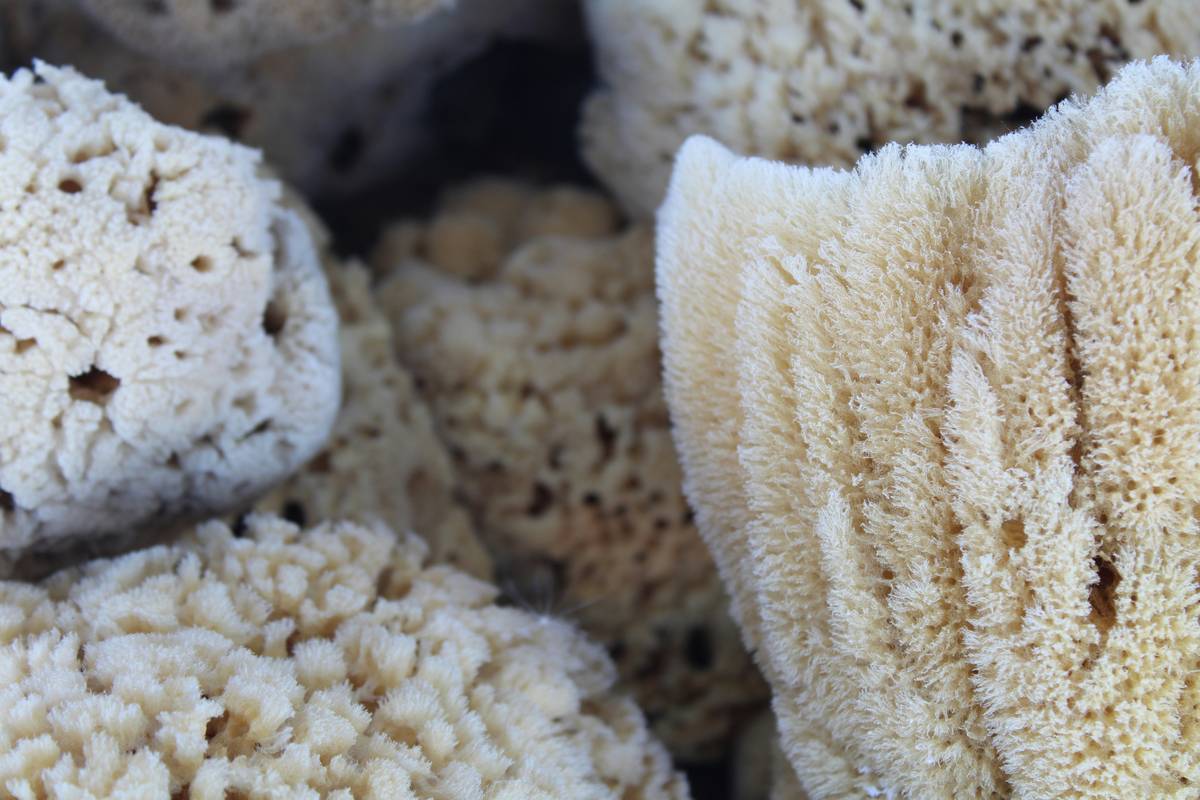
Luffa, cellulose, cotton, or coconut coir? Each has strengths. Luffa offers abrasive power for baked-on grime. Cellulose absorbs like a sponge-shaped vacuum. Cotton handles delicate surfaces. Coir scrubs cast iron without scratching.
Size Really Does Matter
A huge sponge for cleaning covers more surface area per stroke. Fewer dips in soapy water. Less hand fatigue. And because it’s thicker, it lasts 4x longer than dollar-store alternatives.
Maximize Lifespan Through Care
Rinse thoroughly. Air-dry upright—not slumped in the sink corner. Microwave damp sponges for 60 seconds twice weekly to kill bacteria (yes, even biodegradable ones). Replace only when fibers start shedding—usually at 6–8 weeks.
| Type | Avg. Lifespan | Biodegradability Timeline | Best For | Cost per Month |
|---|---|---|---|---|
| Polyurethane Sponge | 1–2 weeks | Never (500+ years) | Light wiping | $1.50 |
| Cellulose + Cotton Blend | 6–8 weeks | 45–90 days (home compost) | Dishes, countertops, glass | $0.75 |
| Luffa Core with Hemp Wrap | 8–10 weeks | 60–120 days | Pans, grill grates, oven racks | $0.90 |

The Industry Secret: Why Big Brands Don’t Want You Using Huge Biodegradable Sponges
Here’s what chemical conglomerates won’t tell you: durability kills repeat sales. A single massive biodegradable sponge replaces 12+ conventional ones annually. That’s lost revenue. So they engineer sponges to fail—softening agents degrade cellulose faster, mesh coatings inhibit drying, sizes stay small to encourage overuse.
But independent eco-brands? They optimize for longevity. One Perennial Channel tester used a single huge sponge through 57 dishwasher loads, 32 pan scrubs, and a Thanksgiving turkey cleanup—still intact. The math is simple: buy less, clean more, waste nothing.
Frequently Asked Questions
Are huge sponges for cleaning actually effective on tough messes?
Absolutely. Their dense fiber structure provides mechanical scrubbing power without abrasives. Pair a luffa-core version with baking soda for stuck-on grease—it works better than steel wool on non-stick surfaces.
Do biodegradable sponges harbor more bacteria?
No more than synthetic ones—if cared for properly. Rinse well, dry fully, and sanitize weekly. Studies show cellulose sponges inhibit microbial growth better than polyurethane when kept dry between uses.
Can I compost old biodegradable sponges at home?
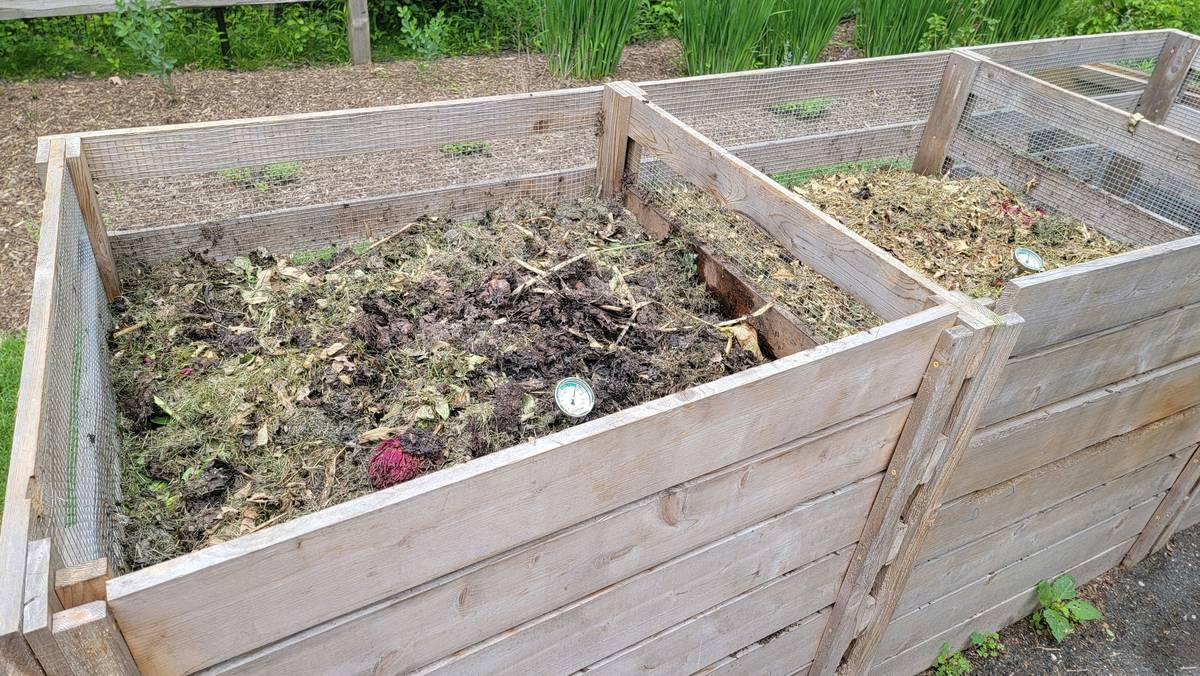
Yes, if they’re 100% plant-based (no nylon scrim). Cut into strips, bury in active compost pile. They’ll break down in 2–4 months—faster if shredded and moist.