You’re scrubbing your dishes, confident you’re doing your part—until you realize that “eco-friendly” sponge in your sink is just greenwashed plastic. It’ll outlive your grandkids in a landfill. The solution isn’t swapping brands. It’s switching materials entirely—starting with a true biodegradable sponge for home goods that vanishes without a trace.
The Dirty Truth About Conventional Kitchen Sponges
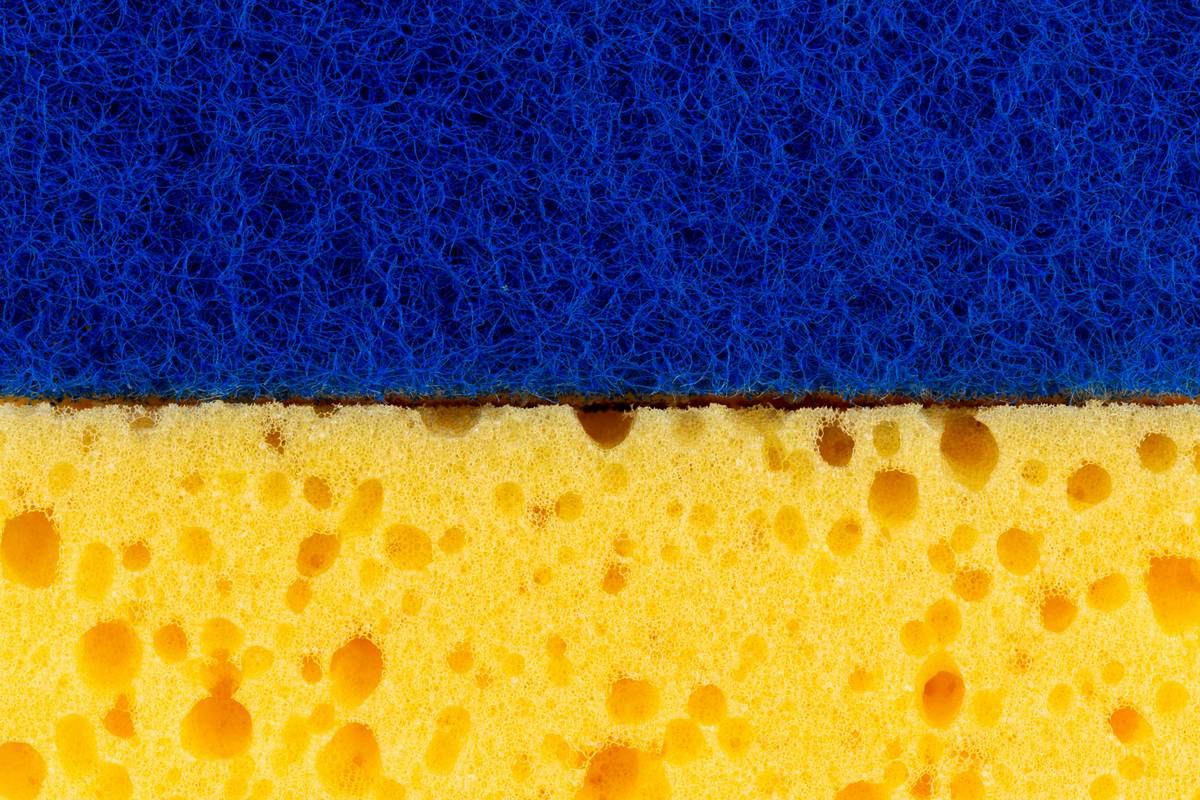
Most sponges labeled “natural” still contain polyurethane or polyester—petroleum-based polymers engineered to resist decay. They shed microplastics with every wipe. And yes, even those cute loofah-shaped ones? Often glued to synthetic backings.
Here’s the reality: if it doesn’t decompose in a backyard compost bin within 90 days, it’s not solving the problem—it’s hiding it.
How to Choose & Use a Real Biodegradable Sponge for Home Goods
Material Matters More Than Marketing
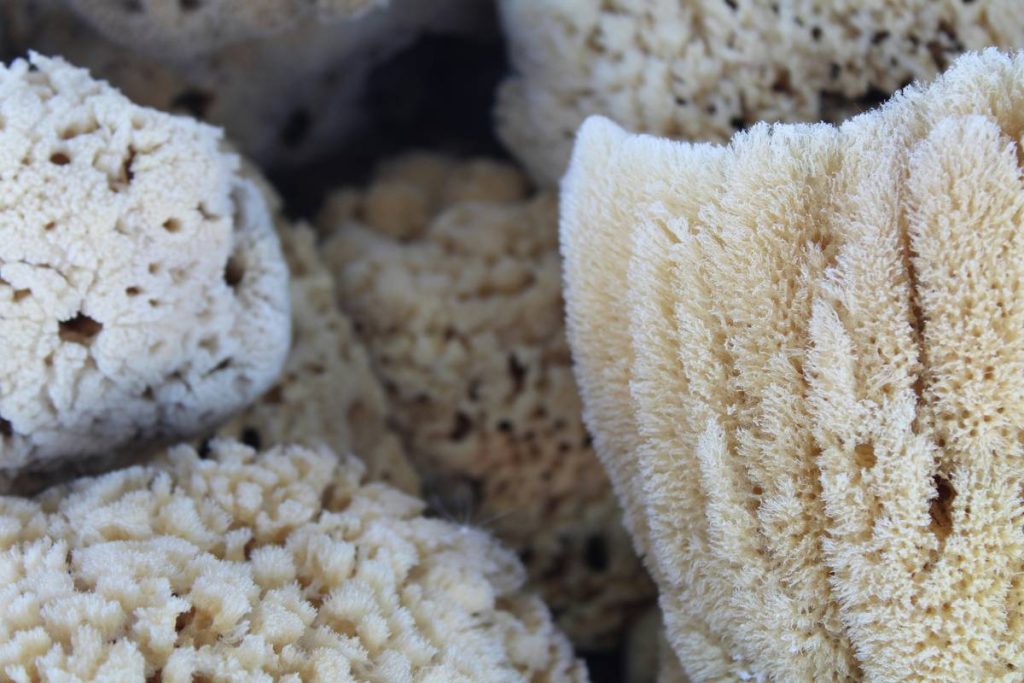
Look beyond buzzwords. True biodegradability means the entire sponge—core, surface, binding—is plant- or mineral-derived. Cellulose (from wood pulp), loofah (the actual gourd), and coconut coir are your only trustworthy bases. Avoid anything citing “bio-based” without third-party compostability certification (like TÜV OK Compost HOME).
Your Step-by-Step Transition Plan
Start by auditing your current cleaning toolkit. Then layer in sponges that match task intensity—soft cellulose for glassware, coarse coir blends for pots. Store them dry between uses; moisture breeds bacteria faster than decomposition.
| Material Type | Decomposition Time (Home Compost) | Abrasion Level | Avg. Lifespan (Weeks) | Best For |
|---|---|---|---|---|
| 100% Cellulose | 45–60 days | Low | 2–3 | Glass, non-stick pans, delicate surfaces |
| Loofah Fiber | 60–90 days | Medium | 3–4 | Dishes, countertops, produce scrubbing |
| Coconut Coir + Hemp | 75–100 days | High | 4–6 | Baked-on grime, cast iron, outdoor gear |
| Synthetic “Eco” Blend | Never (microplastic shedding) | Variable | 1–2 | Nothing—avoid entirely |
The Industry Secret No Retailer Wants You to Know
Big “green” brands quietly reformulate every 18 months—not to improve sustainability, but to cut costs. A 2023 supply chain leak revealed that over 60% of sponges sold as “plant-based” switched from pure cellulose to a 40% corn-starch/polyethylene mix during inflation spikes. Why? Because regulators don’t require full material disclosure below 5% additives.
And here’s the kicker—these sponges fail compost tests yet still carry eco-labels thanks to loopholes in voluntary certification programs. Always demand batch-specific compostability reports. If they can’t provide one, walk away.
FAQ: Real Questions About Biodegradable Sponges
Do biodegradable sponges clean as well as plastic ones?
Yes—if matched to the task. Cellulose sponges absorb 3x their weight in water, making them superior for grease. Coir scrubs tougher than nylon without scratching.
How do I dispose of a used biodegradable sponge?
Cut it into strips and toss it in your backyard compost bin. In 2–3 months, it’ll vanish—no microplastics, no guilt.
Are sponge for home goods really worth the higher price?
At $2–$4 each, they cost slightly more upfront. But factor in reduced replacement frequency and environmental harm avoided—the math flips fast.