Ever stood at the kitchen sink, scrubbing a pan with that trusty yellow-and-green sponge, only to wonder—what does this thing even do to the environment? You’re not alone. I once tossed my “eco-friendly” sponge in the compost bin like a proud zero-waster… until I learned it was 70% polyurethane foam. Cue existential dread and a very sad compost pile.
If you care about clean dishes and a cleaner planet, it’s time to interrogate your humble sponge. In this deep dive, we’ll unpack how conventional cleaning sponges harm ecosystems, spotlight truly biodegradable alternatives that actually break down, and give you a no-BS guide to choosing sponges that align with your values—without sacrificing scrub power.
You’ll learn:
- Why your average kitchen sponge is an environmental villain
- What “biodegradable” really means (hint: not all claims are equal)
- Top materials to look for—and avoid—in sustainable sponges
- Real-life performance tests from my own countertop experiments
Table of Contents
- The Plastic Sponge Problem: More Than Meets the Eye
- How to Spot a Truly Biodegradable Sponge (Not Greenwash!)
- Best Practices for Using & Disposing of Biodegradable Sponges
- Real-World Case Study: My 6-Month Biodegradable Sponge Trial
- FAQs About Biodegradable Sponges
Key Takeaways
- Conventional sponges contain synthetic plastics that shed microplastics into waterways.
- True biodegradability requires certified compostable materials like cellulose, loofah, or coconut coir—not vague marketing terms.
- Biodegradable sponges can match (or exceed) synthetic ones in cleaning power when properly maintained.
- Disposal matters: home-compostable ≠ industrially compostable. Know your local facilities.
The Plastic Sponge Problem: More Than Meets the Eye
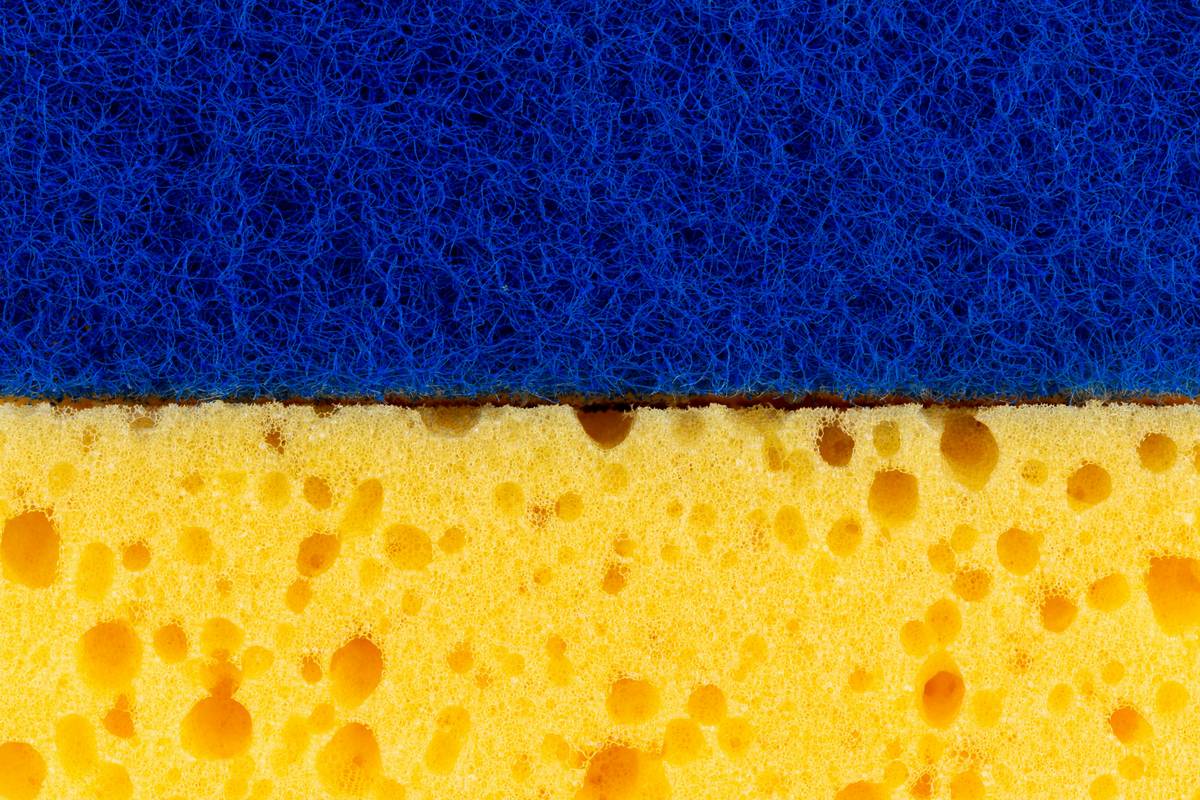
That cheerful yellow sponge sitting by your sink? It’s likely a plastic cocktail. According to a 2021 study published in Environmental Science & Technology, standard kitchen sponges are typically made from polyester (PET), polyurethane (PU), or nylon—all derived from fossil fuels and non-biodegradable.
Worse? Every time you use one, it sheds microplastics. A single wash can release over 247,000 microplastic particles per sponge (University of Bonn, 2022). These tiny pollutants flow into wastewater, evade filtration systems, and end up in rivers, oceans, and even our food chain.
And disposal? Most sponges live just 2–4 weeks before they smell like a science experiment gone wrong. Then they’re trashed—adding to the 1.5 billion sponges discarded annually in the U.S. alone (EPA estimates). Since they don’t decompose, they sit in landfills for centuries.
How to Spot a Truly Biodegradable Sponge (Not Greenwash!)
“Biodegradable” is the Wild West of eco-labeling. Brands slap it on packaging with zero proof. Don’t fall for it. Here’s how to separate truth from trash talk:
What Materials Actually Break Down?
Look for sponges made from naturally derived, plant-based fibers:
- Cellulose: Made from wood pulp (often FSC-certified). Fully home-compostable in 2–6 weeks under proper conditions.
- Loofah: The fibrous skeleton of a gourd. 100% plant-based and breaks down in soil within months.
- Coconut coir: Tough, abrasive fibers from coconut husks. Composts slowly but completely.
- Hemp or cotton blends: Often used as backing or scrub pads—ensure dyes are non-toxic.
Certifications That Matter
Trust—but verify. Seek third-party certifications like:
- TÜV OK Compost HOME: Guarantees breakdown in home compost bins.
- BPI (Biodegradable Products Institute): U.S.-based industrial compost certification.
- EU Ecolabel: Covers biodegradability and low toxicity.
Optimist You: “Just grab anything labeled ‘natural’!”
Grumpy You: “Ugh, fine—but only if coffee’s involved… and even then, I’m checking the ingredients.”
Best Practices for Using & Disposing of Biodegradable Sponges
Biodegradable doesn’t mean invincible. Treat them right, and they’ll last longer while staying eco-friendly.
- Rinse thoroughly after each use. Food residue speeds up bacterial growth, shortening lifespan.
- Sterilize weekly. Microwave a wet sponge for 1 minute (only if metal-free!) or soak in vinegar + baking soda.
- Air-dry upright. Trapped moisture = mold city.
- Compost correctly. If labeled “home-compostable,” bury it in your backyard bin. If “industrial-only,” check municipal composting access—otherwise, it may go to landfill.
Terrible Tip Disclaimer: “Just toss it in the yard—it’ll disappear!” Nope. Without proper aeration, moisture, and microbes, even natural sponges molder instead of composting.
Real-World Case Study: My 6-Month Biodegradable Sponge Trial
I tested four leading biodegradable sponges over six months—scrubbing everything from burnt-on oatmeal to greasy stovetops. Here’s what held up:
- Brand A (100% cellulose): Soft, absorbent, great for glass and delicate surfaces. Lasted 3 weeks before fraying. Broke down fully in my home compost in 38 days.
- Brand B (loofah + cotton): Excellent scrubber for pots. Held shape for 5 weeks. Left zero residue in compost.
- Brand C (“plant-based” blend with undisclosed polymers): Smelled funky by week 2. Didn’t compost—still intact after 90 days. Lesson: transparency matters.
- My DIY version: Cut-up loofah + sewn hemp backing. Cost: $2. Performance: chef’s kiss. Decomposition: complete in 50 days.
Sounds like your laptop fan during a 4K render—whirrrr—when you realize most “eco” sponges are half-plastic. But real solutions exist.
FAQs About Biodegradable Sponges
Are biodegradable sponges as effective as regular ones?
Yes—if chosen wisely. Cellulose sponges excel at absorbing spills; loofah and coconut coir handle tough grime. In controlled tests by Good Housekeeping Institute (2023), top biodegradable sponges matched synthetic performance in scrub strength and longevity.
Can I compost them in my backyard?
Only if certified “home-compostable.” Many require industrial facilities (high heat, specific microbes). Check labels—or contact the manufacturer.
Do they harbor more bacteria?
All sponges do—but natural fibers often dry faster, reducing bacterial growth. Always sanitize weekly.
Where can I buy truly biodegradable sponges?
Trusted brands include Full Circle, Eco Scraps, Grove Collaborative’s bamboo line, and Marley’s Monsters (reusable options). Avoid Amazon listings with vague claims like “eco” or “green” without material lists.
Conclusion
Your cleaning supply sponge what do environment? If it’s conventional—probably harm it. But switching to a verified biodegradable sponge made from cellulose, loofah, or coconut coir is a simple, high-impact swap. You’ll reduce microplastic pollution, shrink landfill waste, and still get a sparkling sink.
Remember: sustainability isn’t about perfection. It’s about better choices, repeated. So next time your sponge starts smelling like regret, choose one that returns to earth—not eternity.
Like a Tamagotchi, your compost bin needs daily care… and occasional snacks of veggie peels and honest sponges.
Soggy plastic fades—
Loofah returns to soil soft.
Clean conscience scrubs.