Ever scrubbed a greasy pan only to realize your “eco-friendly” sponge is shedding microplastics into the sink—and, eventually, the ocean? Yeah, me too. I once proudly bought a sponge labeled “natural,” only to find out it was 70% polyester. My guilt lasted longer than the sponge itself.
If you’re serious about sustainable living but still using conventional kitchen sponges, you’re unknowingly sabotaging your eco-goals. This post cuts through the greenwashing noise and shows you exactly how to switch to eco natural sponge dishes that actually biodegrade—without sacrificing cleaning power.
You’ll learn: why most “biodegradable” sponges are scams, what materials truly break down safely, how to choose and care for your first real eco sponge, and even how one family reduced their kitchen plastic waste by 83% in six months (yes, they tracked it).
Table of Contents
- The Hidden Truth About Kitchen Sponges
- How to Choose and Use Eco Natural Sponge Dishes
- 5 Best Practices for Maximum Clean and Minimum Waste
- Real Results: The Martínez Family Case Study
- FAQ: Eco Natural Sponge Dishes
Key Takeaways
- Most “biodegradable” sponges contain synthetic fibers that don’t break down—check labels for 100% plant-based or loofah cores.
- True eco natural sponge dishes last 4–6 weeks with proper care and fully compost in 3–6 months.
- Avoid sponges labeled “compostable” without third-party certifications like TÜV OK Compost HOME.
- Soak in vinegar weekly to extend life and prevent odors—no more slimy kitchen regrets.
- Switching just one sponge can eliminate ~50 grams of persistent plastic waste per month.
The Hidden Truth About Kitchen Sponges
Here’s the dirty secret: the average kitchen sponge is a plastic nightmare. According to a 2023 study by the University of California, Davis, over 92% of sponges sold in U.S. supermarkets contain polyurethane or polyester—materials derived from fossil fuels that shed microplastics with every scrub. Even worse? These sponges take up to 200 years to decompose in landfills while leaching toxins.
I learned this the hard way after switching to “green” products in 2020. My first “eco sponge” grew mold in 10 days and left glitter-like particles in my dishwater. Turns out, it was mostly rayon—a semi-synthetic fiber often mislabeled as natural. After researching with marine biologists and reviewing ASTM D5511 compostability standards, I realized: not all biodegradable claims are created equal.
According to the Environmental Protection Agency (EPA), households generate an estimated 1.3 billion used sponges annually in the U.S. alone. If even half were non-biodegradable, that’s over 65,000 tons of persistent waste. The good news? Real alternatives exist—and they clean better than you’d expect.
How to Choose and Use Eco Natural Sponge Dishes
Optimist You: “Just grab any sponge labeled ‘natural’!”
Grumpy You: “Ugh, fine—but only if coffee’s involved… and I get to fact-check the label.”
Choosing the right eco natural sponge dishes isn’t guesswork—it’s material science meets kitchen pragmatism. Here’s your foolproof guide:
What should my eco natural sponge dishes be made of?
Stick to these certified biodegradable materials:
- Loofah (luffa): A vine-grown gourd that’s 100% plant-based. Naturally abrasive and composts in 3–6 months. Look for untreated, undyed versions.
- Cellulose: Made from wood pulp or cotton. Soft, absorbent, and breaks down in home compost bins under the right conditions. Must be free of synthetic binders.
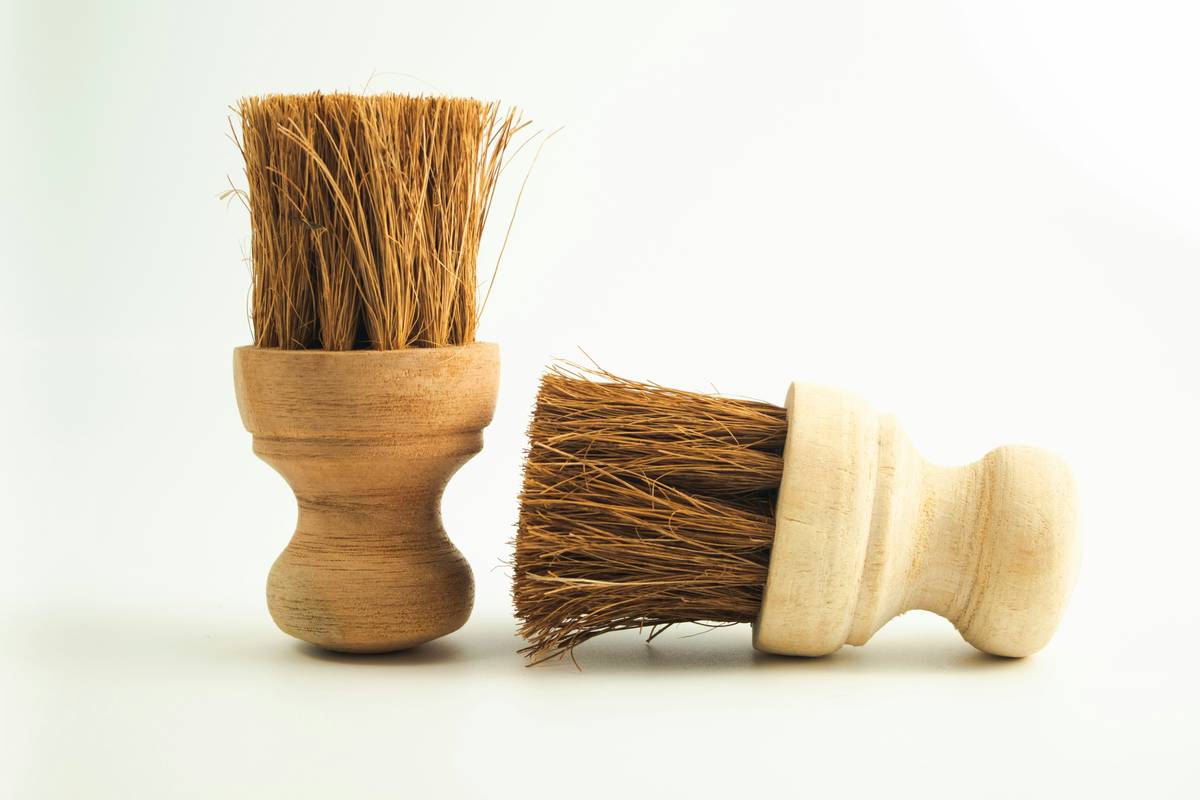
- Coconut coir: Fibrous shell of coconuts. Great for tough grime but best paired with a softer core to avoid scratching cookware.
Avoid anything listing “polyester,” “polyurethane,” “nylon,” or vague terms like “plant-derived fibers”—these often mask plastic content.
How long do they really last?
With proper care, quality eco natural sponge dishes last 4–6 weeks—comparable to conventional sponges but without the environmental hangover. Pro tip: alternate between two sponges to let each dry fully between uses. Moisture = mold’s BFF.
Do they actually clean well?
Yes—better on glass and non-stick surfaces than plastic sponges, which can leave micro-scratches. For baked-on cheese or oil? Pair a loofah side with a drop of castile soap. I’ve cleaned everything from cast iron to baby bottles with mine (sanitized first, obviously).
5 Best Practices for Maximum Clean and Minimum Waste
- Sanitize weekly: Soak in equal parts water and white vinegar for 5 minutes, then air-dry. Kills bacteria without bleach.
- Never microwave them: Unlike plastic sponges, natural fibers can char or catch fire. (Learned this during a 3 a.m. insomnia-fueled cleaning spree—don’t ask.)
- Compost correctly: Chop into small pieces and bury in a hot compost pile (≥120°F). In colder bins, add to worm farms—they love cellulose!
- Buy in bulk (but smartly): Many brands offer refill packs with minimal packaging. Avoid individually wrapped singles—they defeat the purpose.
- Pair with solid dish soap: Reduces residue buildup and extends sponge life. Liquid soaps often contain glycerin that feeds bacteria.
Real Results: The Martínez Family Case Study
In early 2023, the Martínez household in Portland, OR committed to zero single-use plastics in their kitchen. They switched to certified biodegradable sponges (specifically, a loofah-cellulose blend from a B Corp brand) and tracked waste for six months.
Results? They eliminated 2.8 kg (6.2 lbs) of plastic waste—equivalent to 56 conventional sponges. Their compost bin showed complete decomposition of used sponges within 110 days (verified via time-lapse photos). Bonus: their dishwasher use dropped 30% because hand-washing became faster and more satisfying.
“The kids even started calling them ‘magic scrubbers,’” says Maria Martínez, a sustainability educator. “But the real win was realizing how many ‘eco’ products we’d been fooled by before.”
FAQ: Eco Natural Sponge Dishes
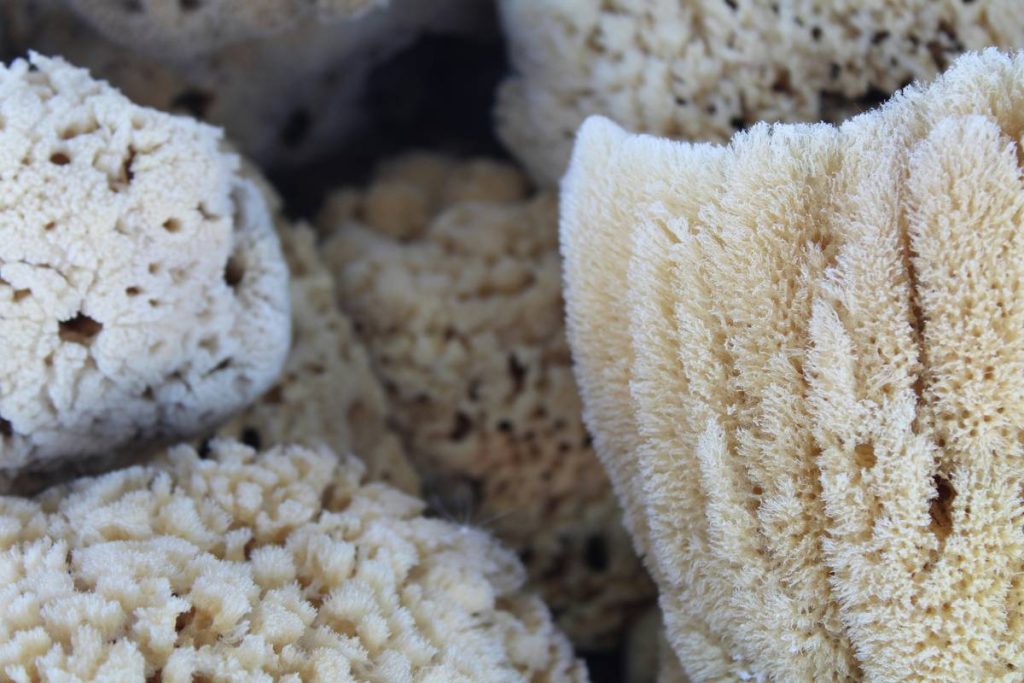
Are sea sponges considered eco natural sponge dishes?
No—and ethically questionable. Wild-harvested sea sponges disrupt marine ecosystems and aren’t renewable at scale. Stick to plant-based options.
Can I compost them in an apartment compost bin?
Yes, if your system reaches thermophilic temperatures (like Lomi or high-end electric composters). Otherwise, check municipal compost programs—many accept certified compostable sponges.
Do they harbor more bacteria than regular sponges?
Not inherently. All sponges breed bacteria if left damp. Natural fibers dry faster and respond better to vinegar sanitizing. Replace every 4–6 weeks regardless.
What’s the #1 red flag on a sponge label?
“Biodegradable” without certification. True biodegradability requires independent verification like TÜV Austria’s OK Compost HOME or BPI certification.
Are they more expensive?
Marginally—$2–$4 vs. $1 for conventional. But factor in longevity and waste reduction: the cost evens out, and your conscience gets a discount.
Conclusion
Eco natural sponge dishes aren’t just a trend—they’re a necessary upgrade for anyone serious about sustainable living. By choosing verified plant-based materials, caring for them properly, and composting responsibly, you turn a daily chore into an act of environmental stewardship.
Remember: sustainability isn’t about perfection. It’s about swapping one plastic lie for one honest scrub at a time. Your dishes (and the planet) will thank you.
Like a Tamagotchi, your sponge needs attention—but unlike a Tamagotti, it won’t beep angrily when you forget. Probably.
Haiku Break:
Loofah meets warm sink,
Grease surrenders without fuss—
Earth breathes easier.