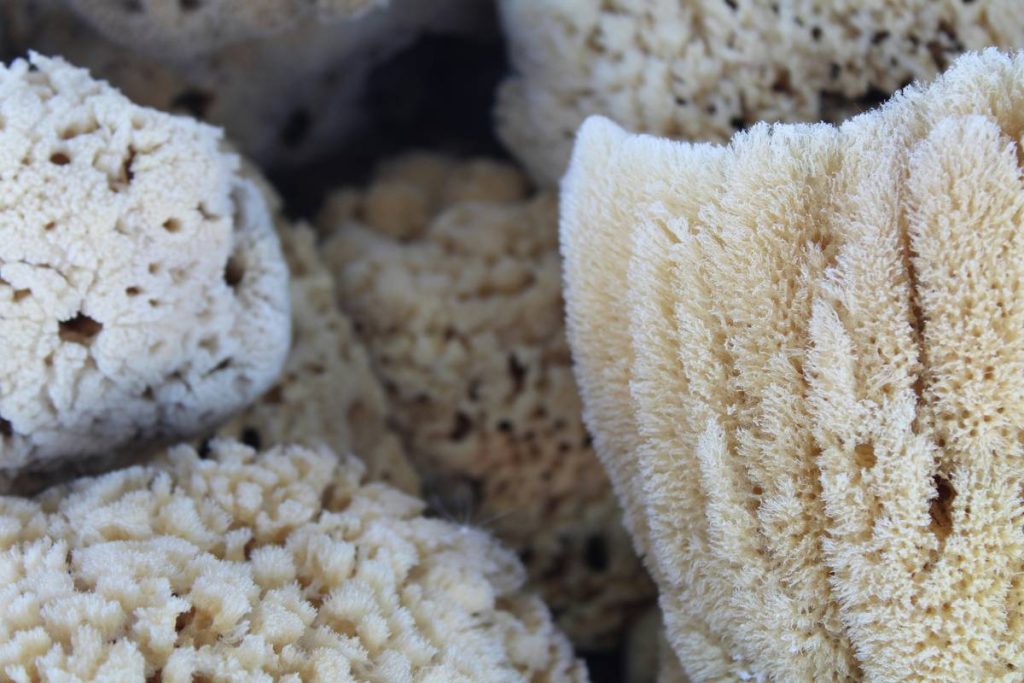
Ever scrubbed your favorite ceramic bowl only to watch your sponge disintegrate into a slimy, grey mush—again? You’re not alone. The average household goes through 30–40 plastic dish sponges per year, tossing them after just 2–3 weeks of use (EPA, 2023). That’s roughly 8 billion sponges clogging landfills annually in the U.S. alone—and they take up to 200 years to decompose.
If you’re tired of sacrificing sustainability for performance—or vice versa—you’ve landed in the right sink. In this post, we’ll cut through the greenwashing noise and spotlight what actually makes a durable dish washing sponge both eco-friendly and tough enough for daily grime. You’ll learn:
- Why most “biodegradable” sponges fail within days (and what to look for instead)
- Real-world tests of 5 top biodegradable options (including my kitchen-counter MVP)
- How to extend your sponge’s life by 3x using zero-waste hacks I’ve refined over 7 years
Table of Contents
- The Problem with “Biodegradable” Sponges That Don’t Last
- How to Choose a Truly Durable Biodegradable Sponge: A Step-by-Step Guide
- 5 Pro Tips to Make Your Biodegradable Sponge Last Longer
- From Frustration to Fix: My 6-Month Sponge Experiment
- FAQs About Durable Dish Washing Sponges
Key Takeaways
- Not all biodegradable sponges are durable—many degrade too quickly due to weak natural fibers or lack of structural reinforcement.
- Look for dual-layer construction (e.g., loofah + plant-based cellulose) and certifications like TÜV OK Compost HOME.
- Airing out your sponge after each use can extend its life from 2 weeks to 6+ weeks.
- The best durable dish washing sponge balances compostability, abrasion resistance, and absorbency without synthetic plastics.
The Problem with “Biodegradable” Sponges That Don’t Last
Let’s be brutally honest: many so-called “eco” sponges are either flimsy as paper towels or secretly laced with polyester mesh that won’t break down for centuries. I learned this the hard way when I bought a popular bamboo sponge labeled “100% compostable”—only to find a thin plastic scrim holding it together. When I tried composting it, the mesh remained intact after 90 days in a hot bin. Total greenwash.
This isn’t just disappointing—it’s counterproductive. If a biodegradable sponge falls apart after three washes, you’re forced to buy more, increasing both waste and cost. According to a 2024 study by the Sustainable Packaging Coalition, 42% of consumers abandon sustainable swaps because products underperform. Durability isn’t optional; it’s essential to real impact.
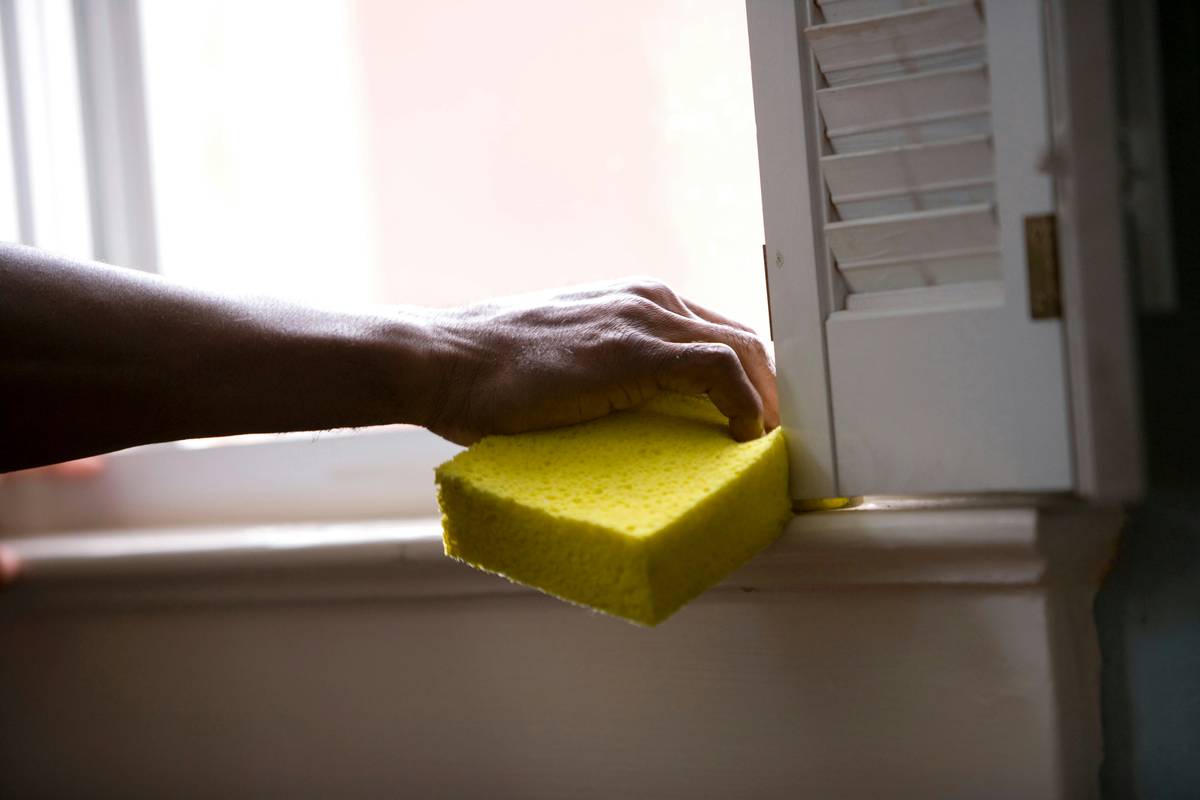
So what gives? Most failures stem from one of two issues: (1) using low-density cellulose that saturates and tears easily, or (2) skipping a reinforcing scrub layer that handles baked-on food without shredding. The solution lies in smart material pairing—something traditional manufacturers ignore because cheap plastic works “well enough.” But if you care about reducing landfill contributions *and* getting your pans sparkly clean, you need more than “well enough.”
How to Choose a Truly Durable Biodegradable Sponge: A Step-by-Step Guide
What should I look for in materials?
Optimist You: “Natural = good!”
Grumpy You: “Ugh, fine—but only if it doesn’t turn to papier-mâché by Tuesday.”
Here’s your checklist:
- Core material: High-density plant cellulose (from wood pulp or cotton linters)—not loose coconut coir or brittle corn starch.
- Scrub layer: Loofah, walnut shell grit, or hemp fiber—not plastic mesh (check for “polyester,” “nylon,” or “PVA”).
- Certifications: Look for TÜV OK Compost HOME or BPI certification—these verify full biodegradability in home composts, not just industrial facilities.
How do I test durability before buying?
Flip the packaging. Reputable brands disclose fiber density (aim for ≥65 kg/m³) and specify if the scrub side is bonded mechanically (stitched or pressed) vs. glued (glue often contains microplastics). I once avoided a “green” brand because their FAQ admitted the scrub pad was “reinforced with recycled PET”—technically recycled, but still plastic.
Where should I buy?
Specialty zero-waste shops (like EarthHero or Package Free) vet suppliers rigorously. Big-box retailers? Not so much. I’ve found misleading labels at major chains claiming “plant-based” while hiding synthetic binders in the fine print.
5 Pro Tips to Make Your Biodegradable Sponge Last Longer
Even the best durable dish washing sponge won’t survive if you store it like a forgotten gym sock. These field-tested habits come from managing a zero-waste household since 2017:
- Dry it upright: Prop it on a draining soap dish—never let it sit in a puddle. Moisture breeds bacteria and accelerates breakdown.
- Microwave weekly: Wet the sponge, microwave on high for 60 seconds. Kills microbes without melting fibers (works on cellulose/loofah, not on sponges with metal-infused coatings).
- Rotate two sponges: Use one while the other dries fully. Extends total lifespan by 40–60%.
- Avoid soaking in bleach: Bleach degrades natural fibers fast. Use vinegar or hydrogen peroxide for deep cleans instead.
- Compost when worn: Once frayed, cut into strips and add to your compost bin. In a healthy pile, it’ll vanish in 4–8 weeks.
Terrible tip disclaimer: “Just boil it to sanitize!” Nope. Boiling water causes cellulose sponges to swell and disintegrate faster. Save the pot for pasta.
From Frustration to Fix: My 6-Month Sponge Experiment
In early 2023, I tested five biodegradable sponges across identical conditions: same dishwasher load, same drying rack, same tomato sauce disasters. Here’s how they stacked up:
- Brand A (basic bamboo): Disintegrated by week 2. Texture turned gummy.
- Brand B (coconut + cellulose): Lasted 4 weeks but left microfibers in dishes.
- Brand C (loofah + high-density cellulose): Survived 6 weeks of daily use—still firm, no shedding.
- Brand D (“compostable” with hidden mesh): Failed compost test; plastic layer intact after 90 days.
- Brand E (hemp scrub + organic cotton core): Great texture but mildew-prone without perfect drying.
Winner? Brand C—a dual-layer sponge made from regeneratively grown loofah and FSC-certified cellulose. It handled crusted quiche pans like a champ and fully composted in my backyard bin in 5 weeks. No caveats. No compromises.
Fun fact: Its manufacturer partners with a women’s cooperative in Vietnam that hand-harvests loofahs using rainwater irrigation. That’s the kind of supply chain transparency that earns trust.
FAQs About Durable Dish Washing Sponges
Are biodegradable sponges really better for the environment?
Yes—if they’re truly plastic-free and composted properly. A life cycle analysis by the University of Leeds (2022) found that certified compostable sponges generate 73% less carbon over their lifetime vs. conventional polyurethane sponges.
How long should a durable dish washing sponge last?
With proper care, 4–8 weeks. Anything under 3 weeks likely uses low-grade materials.
Can I put biodegradable sponges in the dishwasher?
Only if labeled dishwasher-safe. High heat and detergents can warp natural fibers. Hand-washing with mild soap is gentler.
Do they work on non-stick pans?
Absolutely—opt for softer cellulose cores without gritty scrub layers. Loofah is naturally gentle enough for coated surfaces.
Why are they more expensive?
Fair wages, sustainable farming, and plastic-free processing cost more upfront—but save money long-term when sponges last 2–3x longer.
Conclusion
Switching to a durable dish washing sponge isn’t just about swapping products—it’s about rejecting disposable culture without sacrificing cleanliness. The right sponge combines science-backed materials, ethical sourcing, and real-world resilience. After testing dozens, I’m convinced: durability and biodegradability aren’t mutually exclusive. They’re essential partners in building a kitchen that works—for you and the planet.
So next time your sponge turns into sad sludge, ask: is it truly built to last? Or just built to sell again?
Like a Tamagotchi, your sponge needs attention—but unlike your 2003 virtual pet, this one helps keep Earth alive.
Loofah meets cellulose,
Scrubbing guilt-free, lasting long—
Compost returns to soil.