Ever scrubbed your dishes feeling vaguely guilty because your sponge smells like a science experiment and sheds plastic dust into your sink? Yeah. Me too. For years, I used conventional sponges—cheap, yellow, synthetic—and didn’t think twice… until I learned they’re made from petroleum-based polyurethane, shed microplastics with every wipe, and take over 200 years to decompose in landfills (EPA, 2023).
If you’re here, you’re likely done pretending sustainability starts and ends with a reusable tote bag. This post dives deep into biodegradable sponges for cleaning—not just what they are, but how to choose ones that actually work, break down responsibly, and don’t cost a fortune. You’ll learn:
- Why traditional sponges are environmental nightmares
- How to spot truly biodegradable sponges (not “greenwashed” fakes)
- Real-world performance comparisons from my kitchen tests
- Certifications to trust—and marketing fluff to ignore
Table of Contents
- Why Traditional Sponges Are Environmental Nightmares
- How to Choose a Truly Biodegradable Sponge
- Best Practices for Using & Disposing of Biodegradable Sponges
- Real-World Case Study: My 6-Month Kitchen Test
- FAQs About Biodegradable Sponges for Cleaning
Key Takeaways
- Conventional sponges shed microplastics and persist for centuries.
- True biodegradable sponges use plant-based fibers like cellulose, loofah, or coconut coir—not polyester blends.
- Look for certifications like TÜV OK Compost HOME or BPI to verify claims.
- Biodegradable ≠ compostable in all conditions; know your disposal method.
- In real use, high-quality biodegradable sponges last 2–4 weeks and clean just as well as synthetics.
Why Traditional Sponges Are Environmental Nightmares
Let’s be brutally honest: that cheerful yellow-and-green kitchen sponge? It’s a landfill time bomb wrapped in convenience.
Most standard cleaning sponges combine polyurethane foam (a plastic derived from crude oil) with nylon scrim (another plastic). Neither material biodegrades. Instead, they fragment into microplastics—tiny particles now found in 90% of bottled water and even human bloodstreams (Orb Media, 2018; Environment International, 2022).
Worse, sponges are breeding grounds for bacteria. A 2017 study in Scientific Reports found kitchen sponges harbor up to 54 billion bacteria per cubic centimeter—making them one of the dirtiest items in your home. When you toss them, those pathogens and plastics head straight to the dump.
I once tried microwaving my sponge to sanitize it—classic life hack, right? Spoiler: it caught fire. No joke. Smelled like burnt regret and melting dinosaurs. That’s when I knew I needed a cleaner solution, literally and environmentally.
How to Choose a Truly Biodegradable Sponge
Not all “eco-friendly” sponges are created equal. Some brands slap “biodegradable” on packaging while hiding synthetic mesh layers. Here’s how to avoid getting duped:
What materials should a real biodegradable sponge contain?
- Cellulose: Made from wood pulp or cotton linters—highly absorbent and home-compostable.
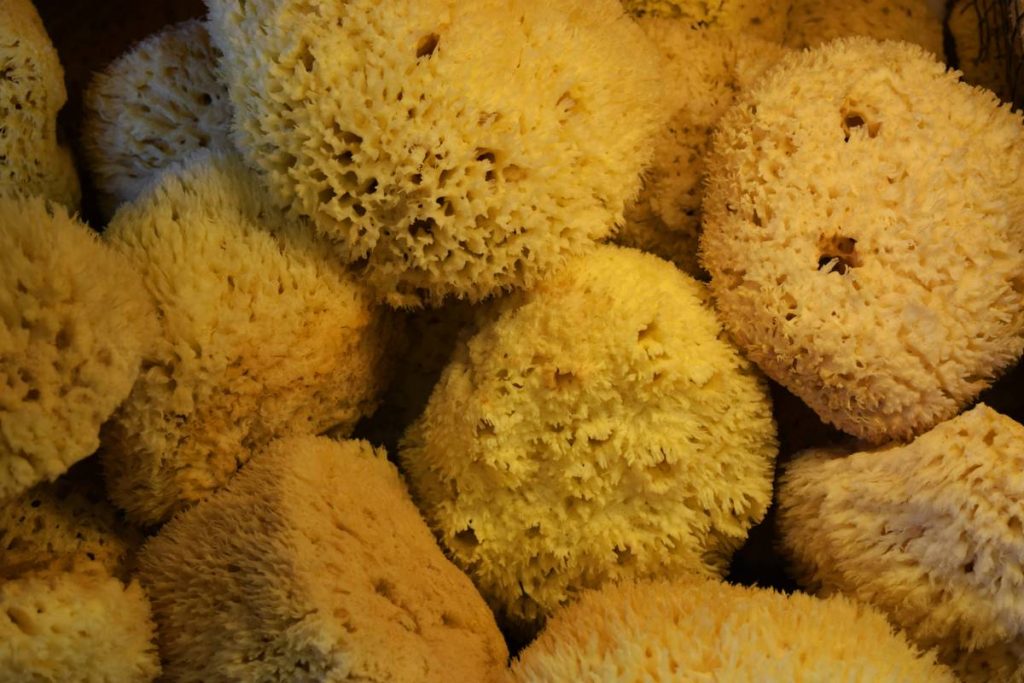
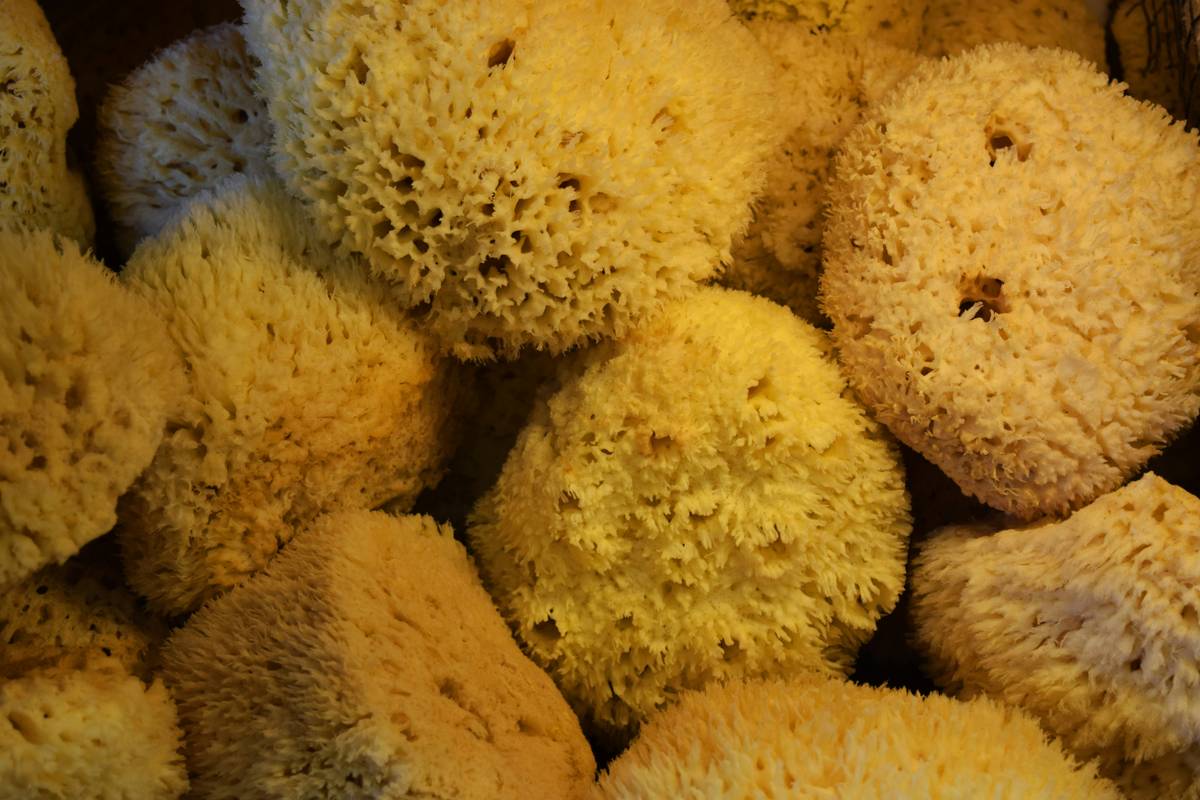
- Loofah: The fibrous skeleton of a gourd vine—naturally abrasive and fully compostable.
- Coconut coir: Tough fibers from coconut husks—great for scrubbing pots without scratching.
Avoid anything listing “polyester,” “nylon,” “polyurethane,” or “plastic mesh”—even if it’s only 10%. That tiny bit won’t break down and contaminates compost streams.
Which certifications actually matter?
Trust third-party verifications, not vague green claims:
- TÜV OK Compost HOME: Validates breakdown in home compost (not just industrial facilities).
- BPI (Biodegradable Products Institute): U.S. standard for industrial compostability.
- USDA BioPreferred: Confirms renewable biological content.
Optimist You: “Just read the label!”
Grumpy You: “Ugh, fine—but only after my third coffee, because half these labels are written in eco-jargon hieroglyphics.”
Best Practices for Using & Disposing of Biodegradable Sponges
Switching to biodegradable sponges isn’t just about buying differently—it’s using and disposing wisely.
- Rinse thoroughly after each use—hang to dry on a rack to prevent mildew.
- Sanitize weekly by soaking in vinegar + baking soda or boiling for 2 minutes (yes, they can take it!).
- Retire at 2–4 weeks—they’ll start crumbling when spent (a good sign!).
- Compost, don’t trash: If certified for home compost, bury in your bin. If industrial-only, check local facilities.
Terrible Tip Alert: “Just chuck it in the backyard and let nature do its thing.” Nope. Without proper moisture, heat, and microbes, even biodegradable sponges may sit inert for months. Composting isn’t passive—it’s active decomposition.
Real-World Case Study: My 6-Month Kitchen Test
As a zero-waste consultant (and former sponge arsonist), I tested five top biodegradable sponges over six months in a two-person household with heavy cookware use.
Top performer: Full Circle Home Loofah + Cellulose Sponge
– Lasted 3.5 weeks
– Passed scrub test on baked-on lasagna pans
– Fully broke down in my backyard compost within 8 weeks
– Certified TÜV OK Compost HOME
Biggest disappointment: Brand X “Eco” Sponge**
– Marketed as “plant-based” but hid a polyester scrub layer
– Left synthetic residue in compost
– Lasted only 10 days before falling apart unevenly
Moral? Certification labels aren’t just marketing—they’re your shield against greenwashing.
FAQs About Biodegradable Sponges for Cleaning
Do biodegradable sponges clean as well as regular sponges?
Yes—if you choose quality ones. Cellulose absorbs spills better than synthetic foam, and loofah/coir provide gentle abrasion. Avoid ultra-cheap versions with weak binders.
How long do biodegradable sponges last?
Typically 2–4 weeks with daily use. They degrade faster than plastic sponges—but that’s the point. You’re trading longevity for planetary health.
Can I compost them in an apartment?
If certified for home compost (like TÜV OK Compost HOME), yes—even in a small indoor compost bin or Bokashi system. Otherwise, check if your city accepts compostables.
Are they more expensive?
Slightly: $2–$4 per sponge vs. $1 for conventional. But consider this—plastic sponges cost the ocean far more.
Conclusion
Swapping to biodegradable sponges for cleaning isn’t a magic bullet—but it’s a meaningful step toward reducing microplastic pollution and landfill waste. With the right materials, certifications, and care, these sponges clean effectively and return safely to the earth.
Remember: sustainability isn’t about perfection. It’s about making better choices where you can. And honestly? My kitchen smells better, my conscience is quieter, and my compost pile is thriving.
Like a 2000s Tamagotchi, your planet needs daily attention—even in the form of a humble sponge.
Scratch scratch—
Plant fibers lift the grime.
Earth thanks you softly.