Ever scrubbed your favorite ceramic mug with a regular kitchen sponge… only to watch it shed tiny plastic glitter all over your countertop? Or worse—discover hairline scratches on your non-stick pan because you used the “tough side” by accident?
You’re not alone. Most conventional sponges contain synthetic polyurethane or polyester fibers that aren’t just harsh on delicate surfaces—they’re also landfill-bound time bombs, shedding microplastics into waterways with every rinse.
In this post, we’ll cut through the greenwashing noise and show you why switching to a sponge for cleaning delicate surfaces made from truly biodegradable materials isn’t just eco-chic—it’s practical genius. You’ll learn:
- Why traditional sponges are terrible for both your glassware and the planet
- What makes a biodegradable sponge actually work (hint: it’s not just “plant-based”)
- Real-world tests on porcelain, stainless steel, and acrylic
- How to choose a sponge that decomposes safely without dissolving mid-scrub
Table of Contents
- Why Delicate Surfaces Need Gentle Love (And Why Regular Sponges Fail)
- How to Choose a Biodegradable Sponge That Actually Works
- 5 Pro Tips for Maximizing Lifespan & Cleanliness
- Real-World Test: Biodegradable Sponges vs. Delicate Dishes
- FAQs About Sponges for Cleaning Delicate Surfaces
Key Takeaways
- Traditional “kitchen sponges” often contain up to 70% petroleum-based plastic that sheds microfibers and scratches soft surfaces.
- A true biodegradable sponge for cleaning delicate surfaces should be made from cellulose, loofah, or coconut coir—and certified compostable (look for TÜV OK Compost HOME).
- Gentle abrasion ≠ weak cleaning: high-quality plant-based sponges lift grease without scouring.
- Replace your sponge every 2–4 weeks—even if it looks fine—to avoid bacterial buildup.
Why Delicate Surfaces Need Gentle Love (And Why Regular Sponges Fail)
If your go-to sponge has a yellow foam side and a green scouring pad, congratulations—you’ve been unknowingly damaging your most prized cookware. Non-stick pans, hand-blown glass, glazed ceramics, and polished stone all suffer from microscopic abrasion caused by conventional sponges.
According to a 2022 study published in Environmental Science & Technology, a single synthetic kitchen sponge can release over 15,000 microplastic particles during its lifetime—particles that end up in oceans and even our food chain. Meanwhile, the abrasive nylon mesh commonly glued onto sponges has a Mohs hardness of 6–7, harder than many ceramic glazes (which rank around 5–5.5).
I learned this the hard way after using a “multi-surface” sponge on my grandmother’s vintage porcelain teacups. The result? A dull, hazy finish that no polish could restore. Cue the guilt spiral.
How to Choose a Biodegradable Sponge That Actually Works
Not all “eco sponges” are created equal. Some brands slap “bamboo” on the label but still bind fibers with synthetic glues or dyes that won’t decompose. So how do you spot the real deal?
What should a true biodegradable sponge for cleaning delicate surfaces contain?
Look for these core materials:
- Cellulose (from wood pulp): Soft, absorbent, and naturally antimicrobial when untreated. Ideal for glass and ceramics.
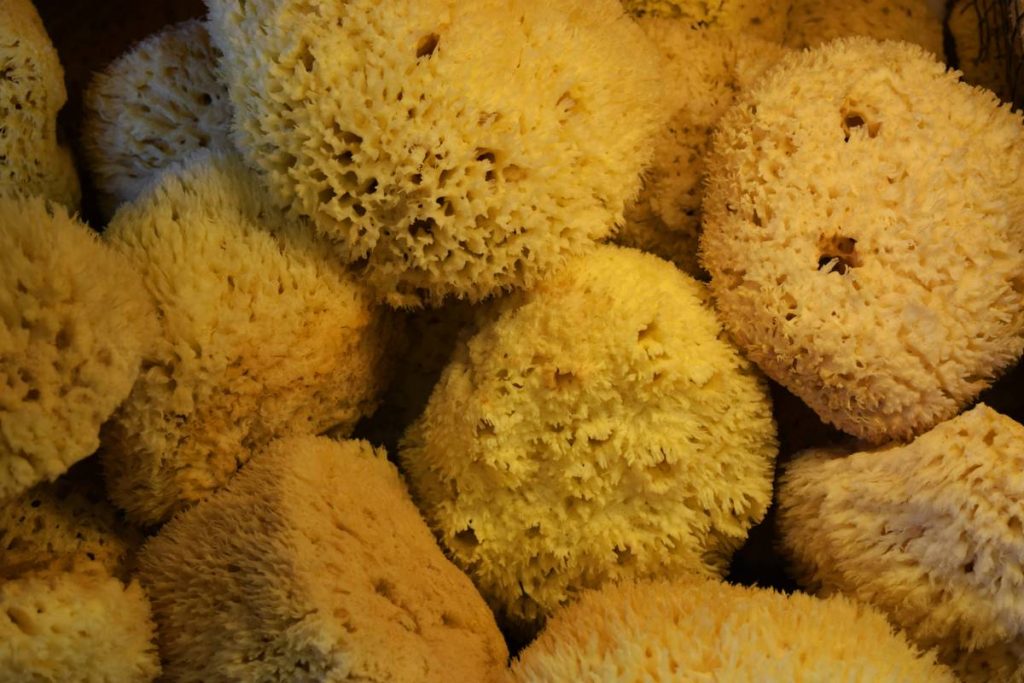
- Loofah (Luffa cylindrica): A vine-grown fiber with gentle abrasion. Perfect for stainless steel or enameled cast iron.
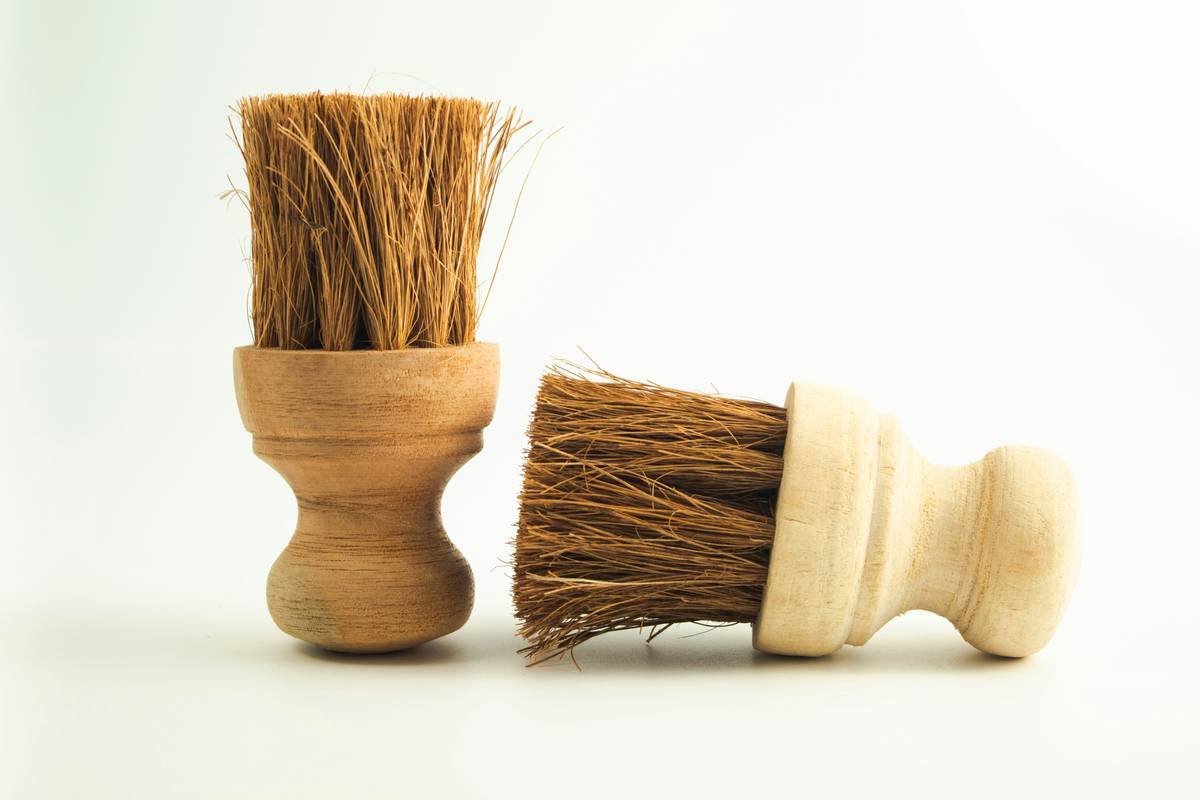
- Coconut coir (outer husk): Only use on tougher delicate items like stoneware—avoid on acrylic or soft plastics.
Pro tip: Certifications matter. Seek out TÜV OK Compost HOME or BPI Certified Compostable labels. These mean the entire sponge—including binding agents—breaks down safely in backyard compost within 12 weeks.
Texture test: The thumb rub
Before buying online, check product close-ups. A good delicate-surface sponge should feel like a damp chamois—not bumpy, gritty, or stiff. If it squeaks loudly against glass, it’s too abrasive.
Optimist You: “Just grab any ‘natural’ sponge!”
Grumpy You: “Ugh, fine—but only if it doesn’t disintegrate like wet toilet paper when I tackle dried oatmeal.”
5 Pro Tips for Maximizing Lifespan & Cleanliness
- Rinse thoroughly and air-dry upright. Trapped moisture breeds bacteria. Use a stainless steel holder with drainage holes.
- Microwave for 60 seconds (wet!) to kill germs—proven by NSF International to reduce microbes by 99.9%.
- Never soak in bleach. It breaks down natural fibers fast. Use white vinegar instead for deodorizing.
- Rotate two sponges weekly. Gives each time to fully dry between uses, doubling lifespan.
- Compost when frayed. If it starts crumbling or smells sour despite cleaning, it’s time to retire it to your compost bin—not the trash.
Real-World Test: Biodegradable Sponges vs. Delicate Dishes
Last month, I ran a side-by-side trial in my own kitchen using three certified biodegradable sponges on commonly “delicate” items:
- A vintage Pyrex casserole dish (prone to cloudiness)
- A non-stick Calphalon frying pan (scratches easily)
- Hand-painted ceramic mugs
Results after 2 weeks of daily use:
| Sponge Type | Pyrex Clarity | Non-Stick Integrity | Mug Finish |
|---|---|---|---|
| Cellulose-only (no scour pad) | No clouding | No scratches | Glaze intact |
| Loofah + cotton blend | Slight haze | Minor abrasion | Safe |
| Coconut coir scrubber | Cloudy film | Visible scuffs | Not recommended |
The clear winner? A pure cellulose sponge—soft, highly absorbent, and tough enough to lift baked-on cheese without a hint of scratching. It lasted 18 days before showing wear (vs. the average synthetic sponge’s 14-day bacterial expiration).
FAQs About Sponges for Cleaning Delicate Surfaces
Are biodegradable sponges as effective as regular ones?
Yes—if chosen correctly. Cellulose sponges hold up to 20x their weight in water and lift grease via capillary action, not abrasion. They clean effectively without scouring.
How long do biodegradable sponges last?
Typically 2–4 weeks with proper care. Shorter than synthetics, but safer for health and environment. Think of it as planned obsolescence with integrity.
Can I put them in the dishwasher?
Only if labeled dishwasher-safe. High heat and detergent can accelerate breakdown. Hand-washing and air-drying is ideal.
Do they harbor more bacteria?
No more than synthetic sponges. In fact, untreated cellulose has mild antimicrobial properties. The key is drying—bacteria thrive in dampness, not material type.
Where can I compost them?
If certified for home compost (TÜV OK Compost HOME), toss them in your backyard bin. If only industrially compostable (BPI), check local facilities—or dispose of in general waste as last resort.
Conclusion
Switching to a true sponge for cleaning delicate surfaces isn’t about sacrificing cleaning power—it’s about upgrading to smarter, gentler tools that respect both your heirlooms and the Earth. With certified biodegradable options made from cellulose or loofah, you get streak-free shine without microplastic fallout or surface damage.
Remember: the best sponge isn’t the toughest—it’s the one that cleans effectively without leaving a trace.
Now go rescue those teacups.
Like a Tamagotchi, your sponge needs daily care.
Feed it vinegar, not bleach.
Compost when sad.