Stains on delicate fabrics or porous surfaces send most people into panic mode—scrambling for sprays, soaps, or worse, soaking the item. But traditional wet cleaning often sets stains deeper or warps fibers. What if you could lift grime without a single drop of water? Enter the dry cleaning sponge—a low-profile hero hiding in plain sight. And no, it’s not what you think.
Why “Just Wipe It” Fails (And Makes Things Worse)
Most assume a sponge is just a sponge. Grab any kitchen scrubber, dab away—and voilà! Reality check: conventional sponges are either too abrasive (scratching delicate finishes) or too absorbent (trapping oils instead of removing them). Worse, synthetic sponges shed microplastics into your home and environment with every use.
Biodegradable sponges made from natural materials like cellulose or loofah avoid these pitfalls—but even they fall short when used improperly on non-washable surfaces. The real issue isn’t the tool. It’s the method.
What Is a Dry Cleaning Sponge?
A dry cleaning sponge—often called a chemical sponge or vulcanized rubber sponge—is a dense, slightly tacky block engineered to lift dust, soot, grease, and surface stains without moisture. It’s the go-to for conservators restoring antique books, firefighters cleaning smoke-damaged walls, and eco-conscious homeowners avoiding toxic solvents.
How It Actually Works
Unlike regular biodegradable sponges that rely on water and mechanical action, dry cleaning sponges work through adsorption—the sticky surface grabs and holds particles as you glide it gently across a surface. No rinsing. No residue. Just lift-and-go cleaning.
Step-by-Step: Using a Dry Cleaning Sponge Correctly
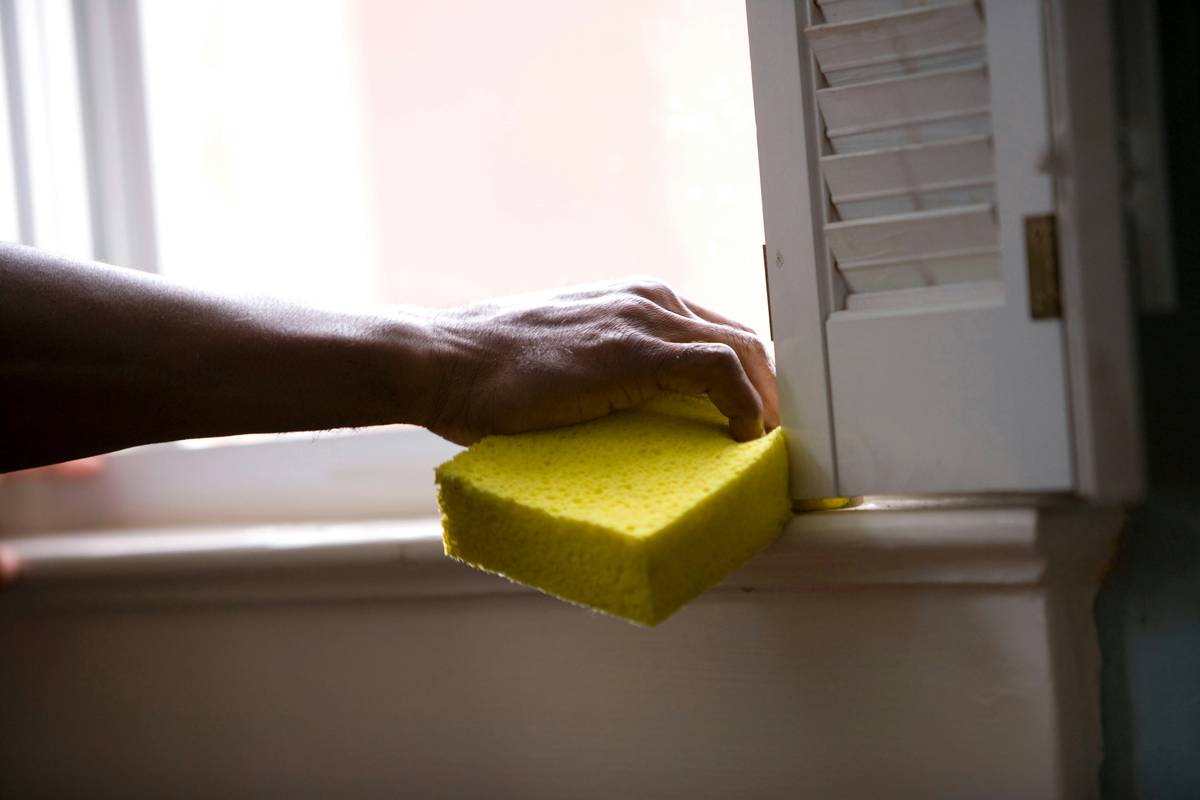
Start clean. Use a fresh edge of the sponge for each pass. Press lightly—don’t scrub. Rotate or cut the sponge as it darkens to expose a clean section. For heavy buildup, follow with a second pass using a new area. And never use it on wet or glossy finishes—it can leave streaks.
| Method | Effectiveness on Soot/Grease | Eco-Impact | Cost per Use |
|---|---|---|---|
| Dry Cleaning Sponge | ★★★★☆ (High lift, no water) | Biodegradable options available | $0.10–$0.25 |
| Vinegar + Cloth | ★★☆☆☆ (Spreads grease, needs rinsing) | Low toxicity, but high water use | $0.05 |
| Commercial Degreaser | ★★★★★ (Effective but harsh) | Often contains VOCs, non-biodegradable | $0.50+ |
| Regular Biodegradable Sponge + Water | ★☆☆☆☆ (Ineffective on dry soils) | Compostable, but limited function | $0.15 |
The Industry Secret: Not All “Dry” Sponges Are Created Equal
Here’s what manufacturers won’t tell you: many so-called “dry cleaning sponges” sold online are just repurposed melamine foam—essentially magic erasers in disguise. They work through abrasion, not adsorption. That means they’re sanding your surface at a microscopic level. Over time, this dulls finishes, especially on leather, paper, or painted walls.
True dry cleaning sponges are made from vulcanized natural rubber or plant-based polymers with a controlled tackiness. They feel slightly gummy—not hard or foam-like. And they leave zero residue. Ask suppliers for material specs. If they mention “melamine” or “formaldehyde resin,” walk away.
FAQ
Is a dry cleaning sponge safe for walls?
Yes—if it’s genuine (non-abrasive). Test on a small area first. Avoid on flat latex paint, which can lift easily.
Can I compost a dry cleaning sponge?
Only if it’s explicitly labeled biodegradable or plant-based. Vulcanized rubber versions aren’t compostable—reuse until spent, then discard responsibly.
Does it work on oil stains?
It lifts surface oil effectively but won’t penetrate deep set-in stains. Best for fresh spills on upholstery, fabric, or paper.