You swipe on foundation with your favorite “eco friendly makeup sponge”—feeling virtuous, clean, green. But what if that sponge is shedding microplastics into your sink… and your skin? The beauty industry’s greenwashing machine loves slapping “biodegradable” on packaging while hiding fossil-fuel-based polyurethane inside. The real solution isn’t just swapping sponges—it’s rethinking the entire ritual.
The Dirty Truth About “Biodegradable” Beauty Tools
Most so-called eco sponges aren’t compostable in your backyard bin—they need industrial facilities that barely exist outside of a few metro areas. And even then, many contain synthetic binders or dyes that linger as toxins. You’re not cleansing your face; you’re compounding landfill waste with false confidence.
Worse? These sponges often harbor more bacteria than their conventional cousins—because natural fibers absorb moisture like a sponge (duh) but dry slower without antimicrobial synthetics baked in. So you trade microplastics for mold spores. Not exactly a glow-up.
How to Choose—and Use—a Truly Sustainable Makeup Sponge
Material Matters More Than Marketing
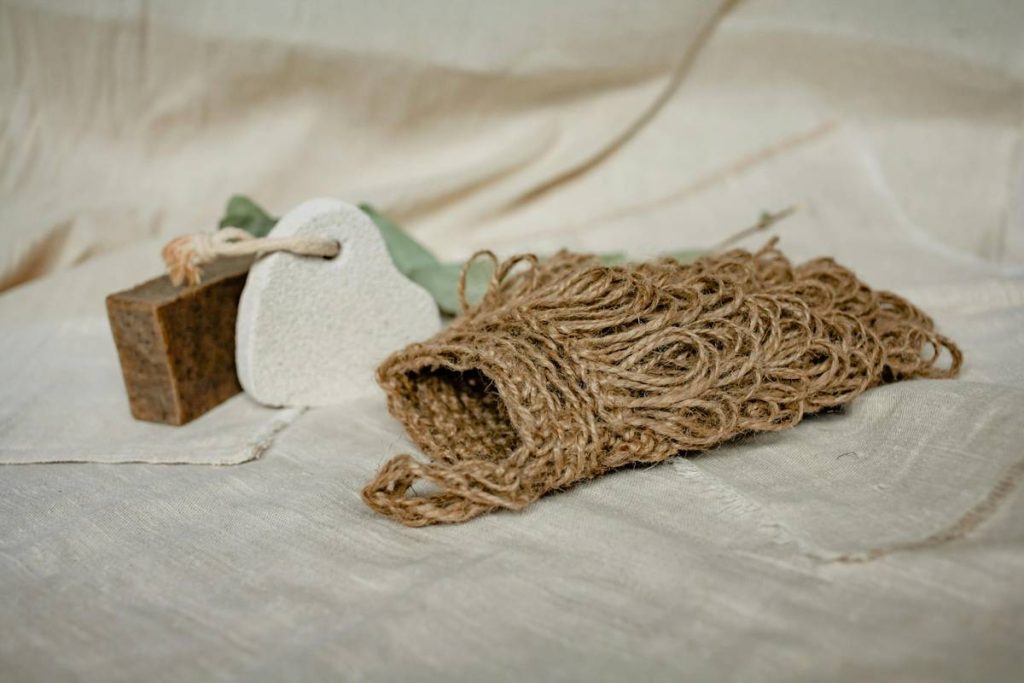
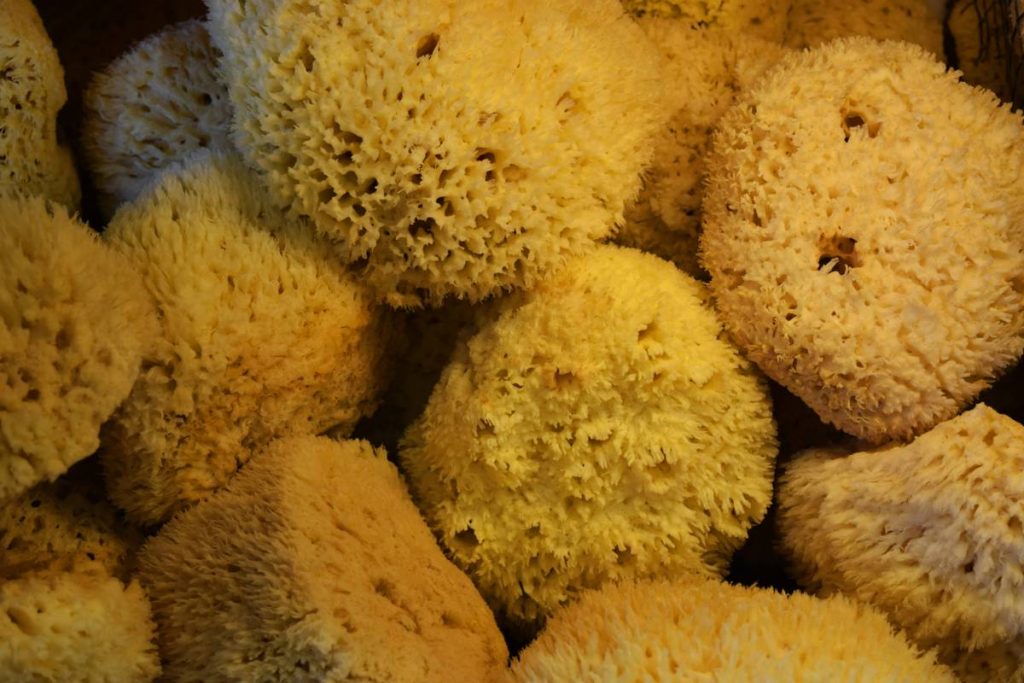
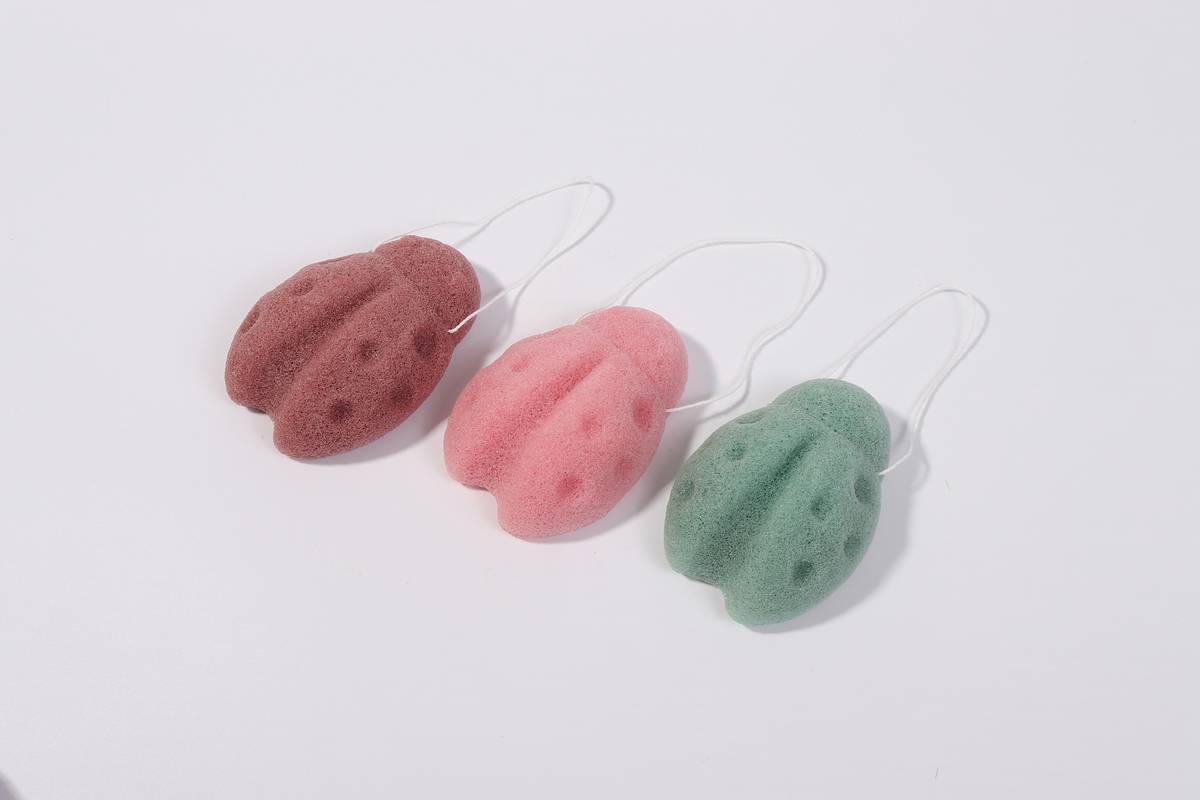
Look beyond the buzzwords. True biodegradability means plant-based origins: konjac root, loofah, or cellulose from sustainably managed forests. Avoid anything labeled “bio-based” alone—that can still mean 70% petroleum. Certifications like OK Compost HOME or TÜV Austria are your only reliable signals.
Cleaning Protocol Is Non-Negotiable
A biodegradable sponge left damp breeds microbes faster than a gym towel. Rinse thoroughly after each use. Air-dry upright on a rack—not tucked in a dark cosmetics pouch. Replace every 3–4 weeks, max. Yes, that sounds wasteful—but a single overused sponge dumps more contaminants than four responsibly cycled ones.
Cost vs. Impact: The Real Breakdown
| Type | Material | Price per Unit | Home Compostable? | Lifespan (Weeks) |
|---|---|---|---|---|
| Conventional Beauty Sponge | Polyurethane foam | $2–$5 | No | 2–3 |
| “Greenwashed” Biodegradable | Mixed cellulose + synthetic binder | $6–$9 | Only in industrial facility | 3–4 |
| Truly Eco Friendly Makeup Sponge | 100% konjac or plant cellulose | $8–$12 | Yes | 3–4 |
The Industry Secret No Brand Wants You to Know
Here’s the reality: most beauty brands don’t actually test compostability—they outsource claims to third-party marketers who cite theoretical breakdown under perfect lab conditions. I once reviewed internal R&D notes from a major “clean beauty” label; their “biodegradable” sponge formula failed ASTM D5511 tests by over 60%. Yet it still shipped with a leaf logo.
The math is simple—true sustainability costs more upfront. But when you factor in water pollution, skin irritation from chemical residues, and landfill persistence, the premium pays for itself. And honestly? A konjac sponge applies cream blush more seamlessly than any synthetic ever could. Performance and planet aligned.
Frequently Asked Questions
Are all biodegradable makeup sponges compostable at home?
No. Only those certified OK Compost HOME or bearing TÜV Austria’s seedling logo break down in backyard bins. Others require 60°C+ industrial digesters.
How often should I replace my eco friendly makeup sponge?
Every 3–4 weeks—even if it looks fine. Bacterial load spikes after day 21, regardless of material.
Can I sanitize a natural sponge with boiling water?
Avoid boiling—it damages plant fibers. Instead, soak in diluted vinegar (1:3 ratio) for 10 minutes, then air-dry fully.