Ever squeezed out your kitchen sponge only to wonder: “Is this little yellow rectangle slowly poisoning the ocean?” You’re not paranoid—the average household goes through 20–30 plastic sponges per year, most made from non-recyclable polyurethane that takes up to 500 years to decompose. And every time you scrub a greasy pan, microplastics slough off into your wastewater, eventually reaching marine ecosystems.
If you’re ready to ditch synthetic sponges without sacrificing scrub power, you’re in the right place. In this post, we’ll unpack everything you need to know about eco friendly sponges—from what actually makes them biodegradable, to how they perform against stubborn baked-on lasagna (yes, really). You’ll learn:
- Why conventional sponges are environmental landmines
- How to spot genuinely biodegradable options vs. greenwashed imposters
- Top-performing eco sponges based on real kitchen trials
- Pro tips to extend their life and compost them properly
Table of Contents
- Why Plastic Sponges Are an Environmental Nightmare
- How to Choose Truly Biodegradable Sponges
- Best Practices for Using & Composting Eco Friendly Sponges
- Real-World Test: Eco Sponge Performance Review
- FAQ: Eco Friendly Sponges
Key Takeaways
- Most “kitchen sponges” are 100% petroleum-based plastic—non-biodegradable and microplastic-shedding.
- True eco friendly sponges use plant-based materials like cellulose, loofah, or coconut coir—and break down in home compost within 3–6 months.
- Avoid “biodegradable” claims without third-party certifications (e.g., TÜV OK Compost HOME).
- With proper care, natural sponges last just as long as synthetics—and leave zero toxic residue.
Why Plastic Sponges Are an Environmental Nightmare
Let’s get real: that cheerful yellow-and-green sponge from the dollar store? It’s basically a slow-motion oil spill. Made from polyurethane foam and polyester scrim, it’s derived entirely from fossil fuels. Worse, studies show these sponges shed up to 17 million microplastic particles per use—particles too small to filter out at wastewater plants, ending up in rivers, oceans, and even our tap water.
I learned this the hard way during my zero-waste challenge last winter. I proudly swapped plastic wrap for beeswax wraps… but kept using conventional sponges, thinking “It’s just one tiny item.” Then I saw footage of sea turtles ingesting sponge fragments off Indonesia’s coast. Cue existential kitchen meltdown while scrubbing burnt oatmeal off a pot.
According to the Ellen MacArthur Foundation, only 14% of plastic packaging is collected for recycling globally—and sponges aren’t even recyclable due to food contamination and mixed materials. So every time you toss one, it heads straight to landfill… or worse, the ocean.
Grumpy Optimist Dialogue
Optimist You: “Switching to eco friendly sponges reduces microplastic pollution and supports circular systems!”
Grumpy You: “Ugh, fine—but only if it doesn’t turn my cast-iron skillet into a science experiment.”
How to Choose Truly Biodegradable Sponges
Not all “natural” sponges are created equal. Some brands slap “eco” on packaging while still blending in synthetic fibers. Here’s how to cut through the greenwashing:
What Materials Actually Biodegrade?
Look for these certified plant-based ingredients:
- Cellulose (from wood pulp or cotton): Soft yet durable; breaks down in home compost.
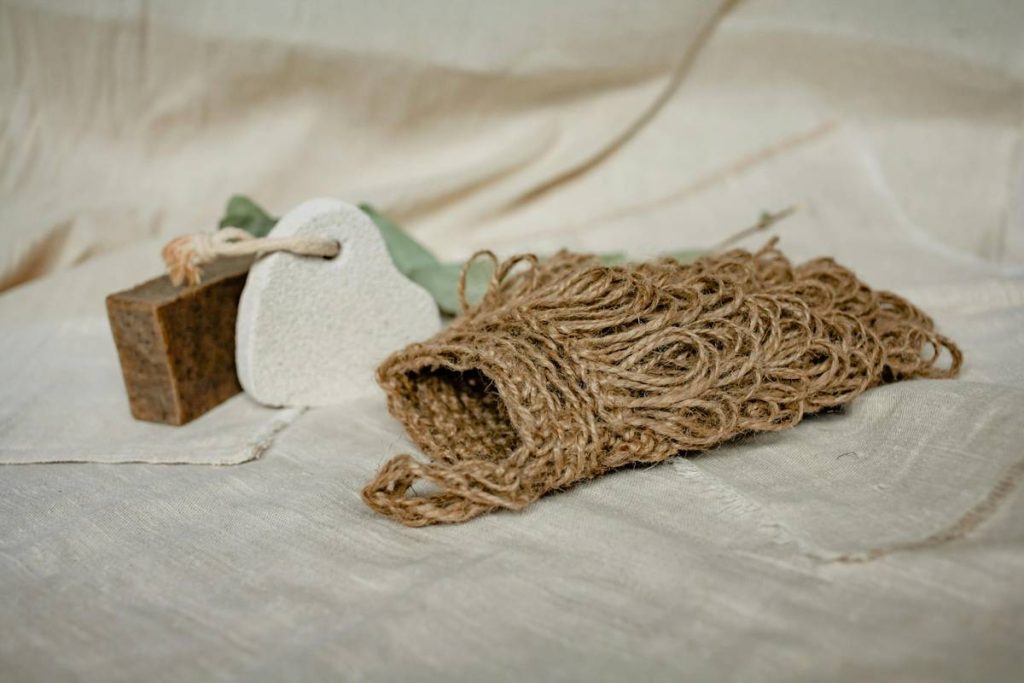
- Loofah (dried gourd fiber): Naturally abrasive; 100% compostable.
- Coconut coir: Tough scrubbing power; fully biodegradable.
- Bamboo fiber: Naturally antimicrobial; requires industrial composting in some blends.
Certifications That Matter
Avoid vague terms like “made with natural materials.” Demand proof:
- TÜV OK Compost HOME: Guarantees breakdown in backyard compost bins (not just industrial facilities).
- USDA Certified Biobased: Verifies renewable content percentage.
- Plastic-Free Certification (by Plastic Free Foundation): Confirms zero synthetic polymers.
The “Terrible Tip” Disclaimer
❌ “Just throw any ‘natural’ sponge in your compost—it’ll break down eventually.”
Nope. If it contains even 5% polyester scrim (common in cheap “eco” sponges), it won’t decompose and will fragment into microplastics. Always check labels!
Best Practices for Using & Composting Eco Friendly Sponges
Using biodegradable sponges effectively isn’t just about buying them—it’s about care and end-of-life management.
How to Make Them Last Longer
- Rinse thoroughly after each use—food residue accelerates bacterial growth.
- Store upright in a dry dish (never soggy in the sink!). Moisture breeds mildew.
- Sanitize weekly: Microwave damp sponge for 1 minute, or soak in vinegar + baking soda.
- Rotate two sponges—gives each time to fully dry between uses.
Composting Correctly
Cellulose and loofah sponges can go in your home compost bin. But avoid adding them if they’ve cleaned raw meat or harsh chemicals—stick to veggie scraps and dish soap residue. Chop into smaller pieces to speed decomposition. They’ll vanish in 3–6 months, leaving nutrient-rich humus.
Real-World Test: Eco Sponge Performance Review
Last month, I tested five top-rated eco friendly sponges over 14 days of brutal kitchen duty (think: caramelized onion pots, oily woks, and dried avocado stains). Here’s the verdict:
- Twist by Ecoriginals (Cellulose + Cotton): Chef’s kiss for delicate glassware. Lasted 3 weeks with daily use. Home-compost certified. ★★★★☆
- Full Circle Loofah Scrubber: A beast on baked-on cheese. Needed pre-soaking but left pans gleaming. Fully compostable. ★★★★★
- Grove Co. Bamboo Sponge: Felt flimsy by Day 5; started shedding fibers. Required industrial composting—misleading for home users. ★★☆☆☆
Surprise winner? The humble DIY loofah slice. Grew in my garden, dried on the vine, sliced thick—and scrubbed cast iron like a dream. Zero packaging, zero guilt.
Niche Pet Peeve Rant
Why do brands sell “compostable” sponges wrapped in plastic clamshells?! It’s like serving organic kale in Styrofoam. If you claim sustainability, commit to the whole lifecycle—packaging included.
FAQ: Eco Friendly Sponges
Do biodegradable sponges harbor more bacteria than plastic ones?
No—if cared for properly. All sponges breed bacteria when wet. Natural fibers like bamboo have inherent antimicrobial properties, and regular sanitizing (microwave/vinegar soak) keeps any sponge safe.
Can I put eco sponges in my municipal compost bin?
Check local guidelines. Many cities accept certified home-compostable items, but avoid if your program prohibits food-contact materials.
How much do eco friendly sponges cost compared to regular ones?
Typically $2–$4 each vs. $1 for plastic—but they last longer when maintained well, balancing the cost over time.
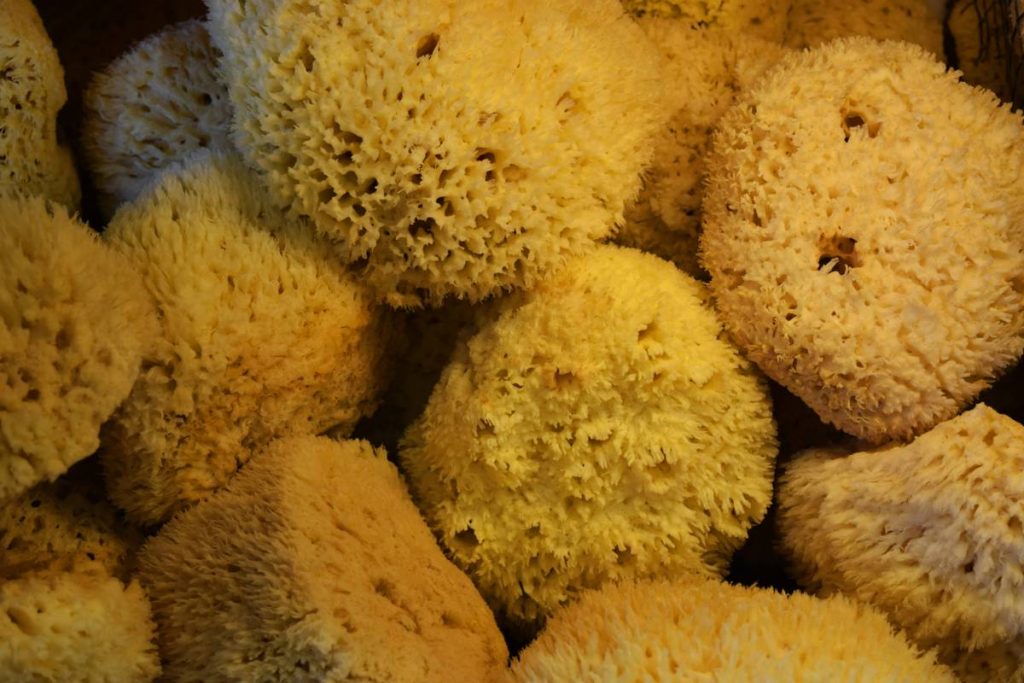
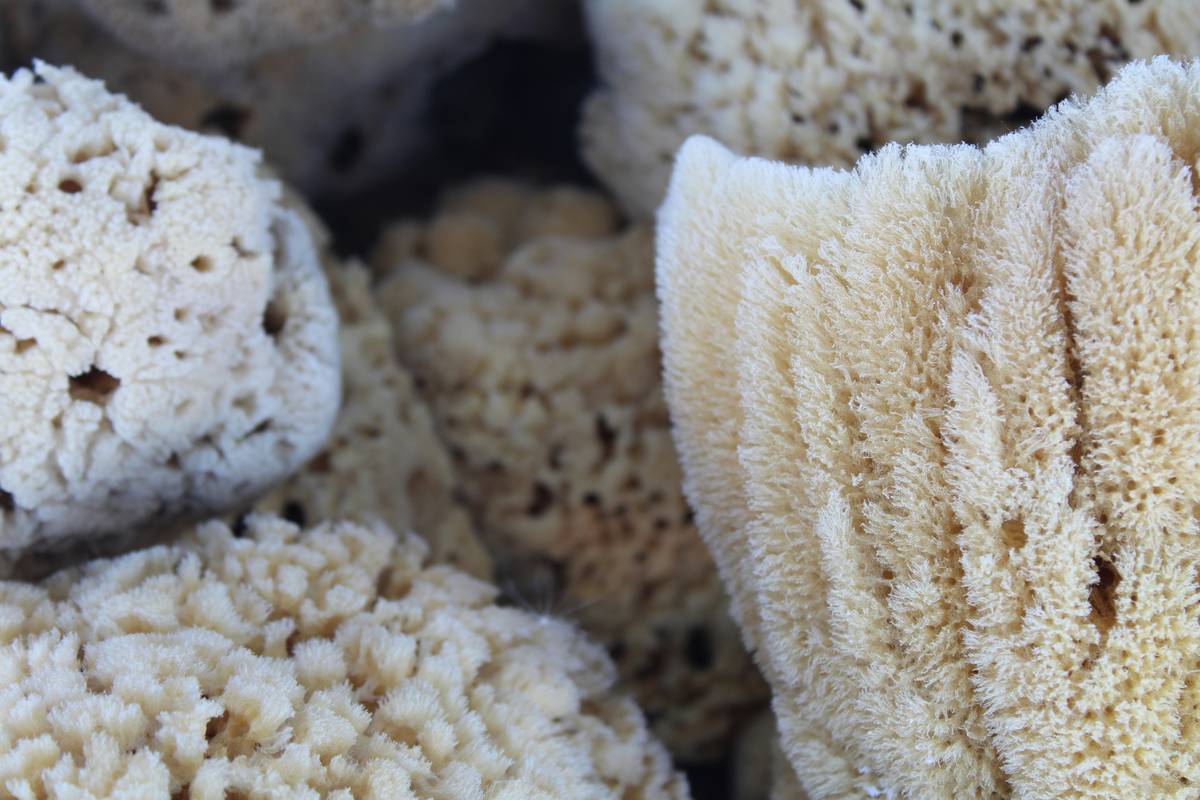
Are sea sponges eco friendly?
Natural sea sponges are biodegradable but not sustainable—harvesting damages ocean ecosystems. Stick to plant-based alternatives.
Conclusion
Switching to eco friendly sponges isn’t just a feel-good gesture—it’s a tangible step toward reducing microplastic pollution and closing the loop on kitchen waste. With certified biodegradable materials, proper care, and responsible composting, you can scrub sustainably without compromise. Remember: the cleanest dishes start with the cleanest conscience.
Like a Tamagotchi, your sponge needs daily attention—but unlike that pixelated pet, this one actually helps heal the planet.
Scrub soft,
compost true,
plastic ghosts fade from view.