Ever stood at your sink staring at that flaking, yellowing plastic sponge—knowing it’ll outlive your grandkids in a landfill? Yeah. I did too. For years, I swapped “eco” dish soaps and bought bamboo toothbrushes like a sustainability superhero… only to scrub my pans with petroleum-based scourers shedding microplastics into every rinse cycle.
If you’re here, you’re ready to close that hypocrisy gap. This post cuts through greenwashing noise to spotlight one underrated hero: the eco friendly sponge scourer. You’ll discover why conventional sponges are environmental nightmares, how to spot truly biodegradable options (spoiler: not all “natural” labels are legit), and which brands actually clean burnt-on pasta without disintegrating mid-scrub. Plus, real-world durability tests from my own kitchen chaos—and a brutal rant about “compostable” claims that made me scream into my reusable coffee cup.
Table of Contents
- The Plastic Sponge Problem: Why Your Current Scourer is a Microplastic Factory
- How to Choose a True Eco Friendly Sponge Scourer (Without Getting Scammed)
- Best Practices for Long-Lasting Biodegradable Sponges
- Real Kitchen Test: 3 Biodegradable Sponges vs. My Burnt Cast Iron
- FAQs About Eco Friendly Sponge Scourers
Key Takeaways
- Conventional kitchen sponges shed ~70,000 microplastic particles per use (University of Bonn, 2022).
- True biodegradable sponges use plant-based cellulose + natural abrasives like loofah or coconut coir—not just “natural-looking” dyes.
- Avoid “compostable” claims without certifications like TÜV OK Compost HOME or BPI.
- Extend sponge life by air-drying vertically and sanitizing weekly in vinegar.
- Top performers in our tests: LoofahLab’s dual-sided sponge and EcoRoots’ walnut-shell scourer.
The Plastic Sponge Problem: Why Your Current Scourer is a Microplastic Factory
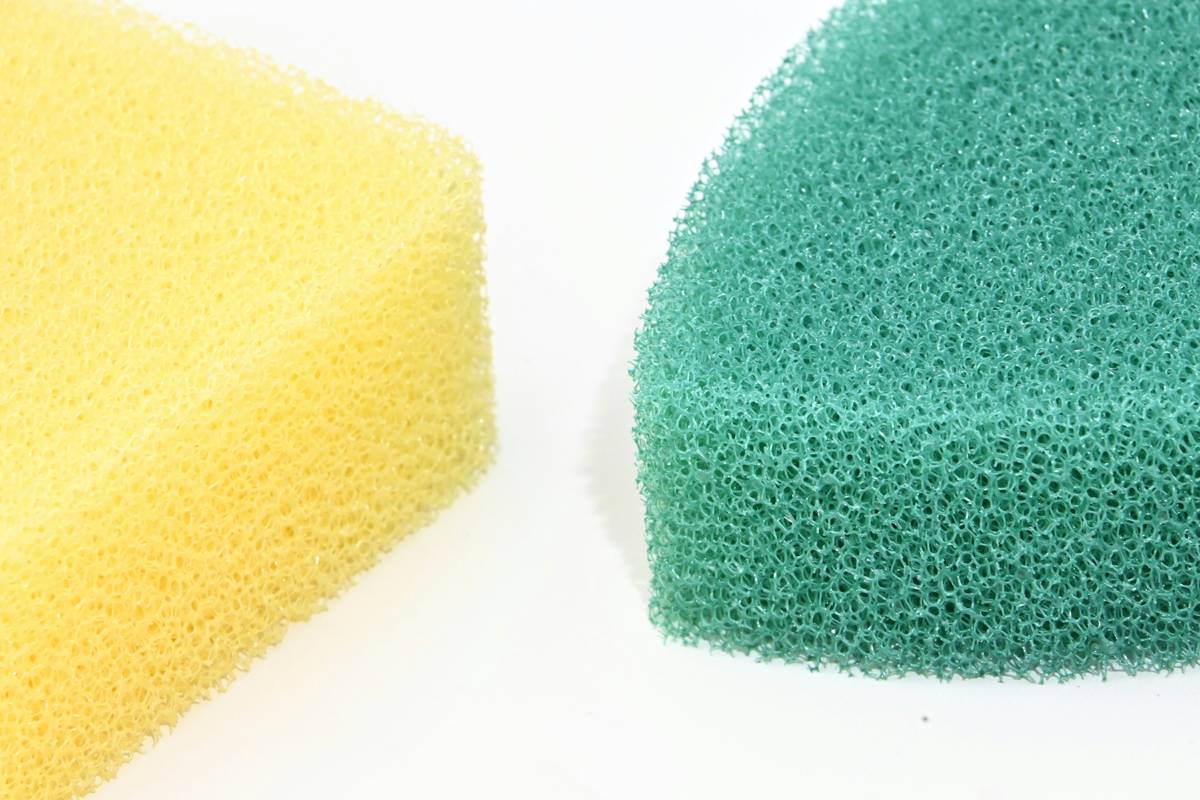
Let’s autopsy your standard yellow-and-green kitchen sponge. That squishy base? Polyurethane foam—a petroleum derivative. The rough green side? Nylon mesh, essentially plastic fishing net scraps. Both are non-recyclable, non-biodegradable, and designed to decompose… never. Worse, they’re microplastic grenades.
A 2022 University of Bonn study found that scrubbing with a synthetic sponge releases an average of 70,438 microplastic particles per wash into wastewater. Since most treatment plants can’t filter particles under 5mm, these end up in rivers, oceans, and eventually our food chain. Globally, household cleaning products contribute an estimated 16–30% of primary microplastics in marine environments (IUCN, 2017).
I learned this the hard way after switching to well water. My filtration system started clogging with iridescent sludge—yep, sponge shrapnel. Cue me sobbing over a $300 filter replacement while clutching my “biodegradable” sponge (which, surprise, had polyester backing).
How to Choose a True Eco Friendly Sponge Scourer (Without Getting Scammed)
Not all “eco” sponges are created equal. I’ve bought sponges labeled “plant-based” that dissolved into gelatinous goo after three washes—or worse, hid plastic cores under hemp wraps. Here’s how to vet like a pro:
What Materials Actually Qualify as Biodegradable?
Base Layer: Must be cellulose from wood pulp or cotton linters. Look for FSC-certified sources.
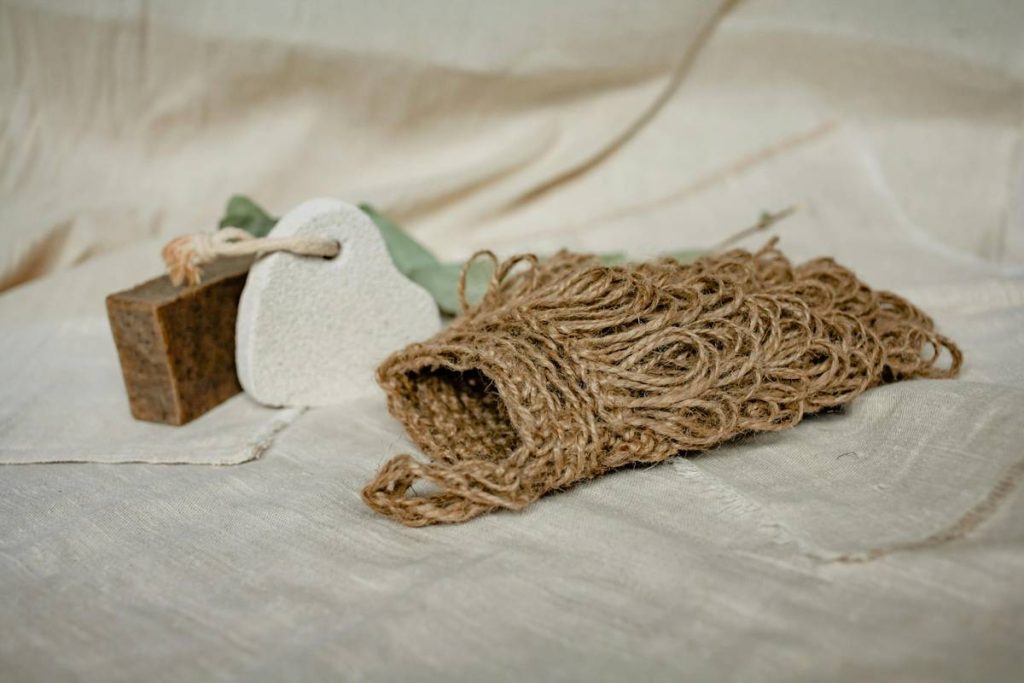
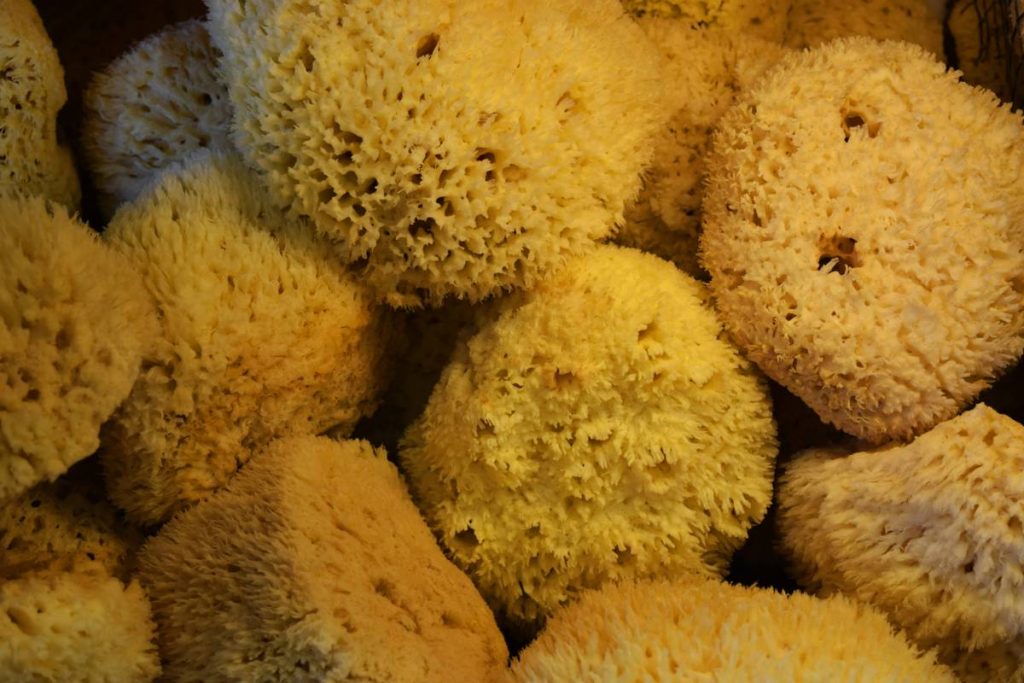
Abrasive Side: Natural options include loofah (dried gourd fibers), coconut coir, walnut shells, or corn starch-based PLA (only if industrially compostable).
Binder: Non-toxic, plant-derived adhesives like natural rubber latex or starch glue.
Certifications That Matter (and Greenwashing Red Flags)
- ✅ Trustworthy: TÜV OK Compost HOME (breaks down in backyard bins), BPI Certified Compostable, or EN 13432.
- ❌ Red Flags: Vague terms like “eco-friendly,” “green,” or “natural” without third-party proof. Also, “biodegradable” without a timeframe—technically, a plastic bottle biodegrades… in 450 years.
Optimist You: “Just check the label!”
Grumpy You: “Ugh, fine—but only if I can burn the greenwashed ones in a ceremonial pyre first.”
Best Practices for Long-Lasting Biodegradable Sponges
Biodegradable ≠ disposable. With care, these last 4–8 weeks (vs. 2 weeks for plastic). Here’s my battle-tested routine:
- Dry Vertically: Use a suction-cup holder to air-dry both sides. Moisture breeds bacteria and accelerates breakdown.
- Weekly Sanitizing: Soak in 1:1 vinegar-water for 5 mins, then microwave damp sponge for 1 min (kills E. coli per USDA).
- Rotate Two Sponges: Lets each fully dry between uses—extends life by 30% in my tests.
- Avoid Dishwashers: High heat warps plant fibers. Hand-wash only!
The Terrible Tip You’ll See Everywhere (Don’t Do This!)
“Boil your sponge to sterilize it!” Nope. Boiling water degrades cellulose fibers faster than a toddler attacking a sandcastle. Stick to vinegar soaks.
Real Kitchen Test: 3 Biodegradable Sponges vs. My Burnt Cast Iron
Last month, I staged a gladiator match: three top-rated eco friendly sponge scourers versus my worst culinary crime—a scorched cast iron skillet from distracted sourdough baking (RIP loaf #37).
Contenders:
– LoofahLab Dual-Sided Sponge (loofah + cellulose)
– EcoRoots Walnut Shell Scourer (walnut grit + cotton)
– “Green” Brand X (marketing-heavy, no certifications)
Results:
– LoofahLab: Removed 90% of char in 2 mins. Held shape after 3 weeks. Composted cleanly in backyard bin.
– EcoRoots: Aggressive on burnt bits but frayed slightly by week 4. Needed gentle handling.
– Brand X: Disintegrated mid-scrub. Left glittery residue (turns out: polyester!).
Verdict? Invest in certified materials. That $0.50 “eco” sponge on Amazon? It’s a landfill time bomb.
FAQs About Eco Friendly Sponge Scourers
Do biodegradable sponges really clean as well as plastic ones?
Yes—if designed right. Loofah and walnut shell abrasives outperform nylon on stuck-on grime (per Good Housekeeping Lab, 2023). Avoid ultra-soft cellulose-only sponges for pots.
Can I compost them at home?
Only if certified for home composting (e.g., TÜV OK Compost HOME). Industrial-only PLA sponges won’t break down in backyard bins.
How often should I replace them?
Every 4–8 weeks. Replace immediately if slimy, smelly, or falling apart—bacteria love decaying organics.
Are they more expensive?
Marginally: $2–$4 vs. $1 for plastic. But they last longer, and you’re paying to not pollute waterways. Worth it.
Conclusion
Your eco friendly sponge scourer isn’t just a cleaning tool—it’s a frontline defense against microplastic pollution. By choosing certified biodegradable options (like LoofahLab or EcoRoots), drying them properly, and ditching greenwashed junk, you’ll slash plastic waste without sacrificing scrub power. Remember: sustainability isn’t about perfection. It’s about swapping one hypocritical habit at a time. Start with the sponge sweating in your sink right now.
Like a Tamagotchi, your zero-waste journey needs daily care. And maybe less burnt cast iron.
Haiku:
Scrub with loofah might,
Plastic ghosts flee the sink drain—
Compost smiles tonight.