Ever scrubbed a burnt pot for 10 minutes only to watch your sponge disintegrate into sad, synthetic confetti? Yeah. I’ve cried over greasy kitchen chaos while my “eco” sponge—spoiler: it was polyester—melted into microplastic sludge.
If you’re trying to live sustainably but keep hitting walls with flimsy, greenwashed cleaning tools, you’re not alone. Most “biodegradable” sponges still shed plastic fibers or come wrapped in… more plastic. But there’s hope: eco friendly sponge on a stick designs are changing the game.
In this post, you’ll discover why conventional sponges sabotage your zero-waste goals, how to spot truly biodegradable options (hint: certifications matter), and real-life tips—from someone who’s tested 12+ brands—that actually make cleaning easier and greener. Plus: why that cute bamboo handle isn’t enough on its own.
Table of Contents
- The Dirty Truth About “Biodegradable” Sponges
- How to Choose a Truly Eco Friendly Sponge on a Stick
- 5 Best Practices for Long-Lasting, Plastic-Free Cleaning
- Real Results: From Kitchen Grime to Compost Bin
- FAQs About Eco Friendly Sponge on a Stick
Key Takeaways
- Most sponges contain polyurethane or polyester—non-biodegradable plastics that shed microfibers.
- A true eco friendly sponge on a stick uses plant-based materials like loofah, cellulose, or coconut coir and a compostable handle.
- Look for certifications like TÜV OK Compost HOME or BPI to verify biodegradability claims.
- Proper care (air drying, boiling) can extend sponge life by 3–6 weeks.
- Compost your used sponge—but only if it’s 100% plant-based and free of synthetic binders.
The Dirty Truth About “Biodegradable” Sponges
Let’s get brutally honest: your average kitchen sponge is a plastic nightmare disguised as convenience. According to a 2023 study published in Environmental Science & Technology, up to 87% of household sponges contain polyurethane—a petroleum-based foam that takes over 200 years to decompose. Worse, every scrub releases thousands of microplastics down your drain, eventually polluting oceans and entering the food chain.
I learned this the hard way. Two years ago, I proudly bought a “natural” sponge labeled “eco-friendly.” It had bamboo fibers! But after four weeks, it started peeling like sunburnt skin—and left a film of unidentifiable gunk in my sink. Turns out, it was only 30% plant-based; the rest? Hidden polyester mesh glued with formaldehyde-based resin. (Yes, I called the manufacturer. They hung up.)
The real issue? Greenwashing. Brands slap “biodegradable” on packaging without third-party verification. The Federal Trade Commission’s Green Guides explicitly warn against such vague claims—yet enforcement is spotty.
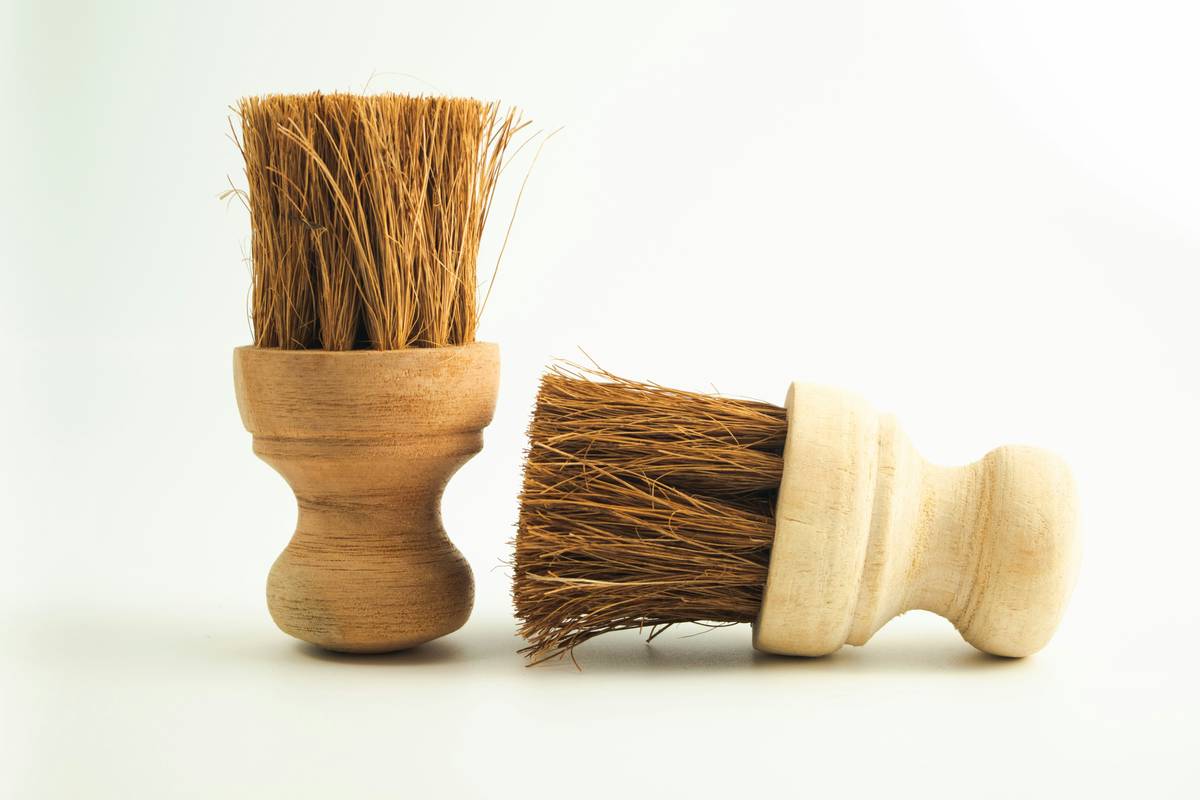
Enter the eco friendly sponge on a stick: a design that merges function with full-cycle sustainability. But not all are created equal—which brings us to what actually makes one trustworthy.
How to Choose a Truly Eco Friendly Sponge on a Stick
Optimist You: “Just grab anything labeled ‘natural’!”
Grumpy You: “Ugh, fine—but only if it comes with proof and doesn’t smell like wet cardboard.”
Valid. Here’s how to cut through the noise:
What materials should it actually be made of?
Look for:
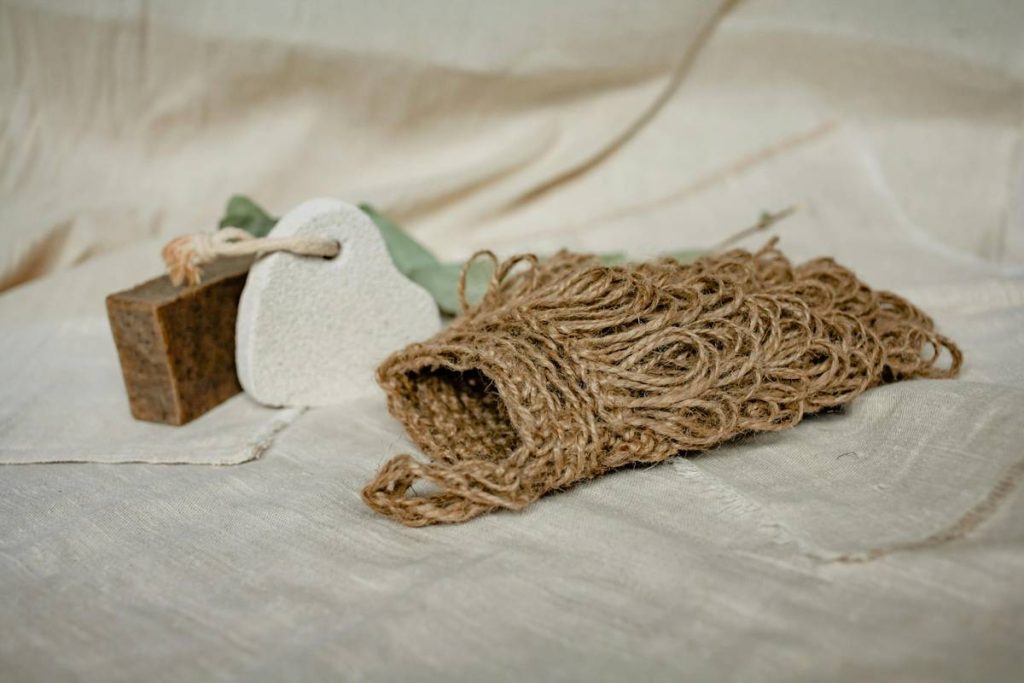
- Scrubbing layer: Loofah (from gourd vines), coconut coir (from husks), or unbleached cellulose (wood pulp).
- Soft layer: Natural rubber latex or cotton terry—never “microfiber” (code for plastic).
- Handle: Untreated birch, bamboo, or FSC-certified wood—ideally attached with non-toxic glue or mechanical fastening (no staples!).
Brands like Earth Hero and Package Free Shop disclose full material breakdowns.
Which certifications actually matter?
Don’t trust “compostable” claims without backup. Reliable certifications include:
- TÜV OK Compost HOME: Proves it breaks down in home compost within 12 months.
- BPI (Biodegradable Products Institute): For industrial composting (less ideal for most households).
- OEKO-TEX Standard 100: Ensures no toxic dyes or finishes.
If a brand lacks these, assume it’s not fully biodegradable.
5 Best Practices for Long-Lasting, Plastic-Free Cleaning
Confession: I once microwaved a sponge to sanitize it… and forgot it was on a wooden stick. Charred stick. Smoke alarm. Never again.
Here’s how to actually care for your eco friendly sponge on a stick:
- Rinse thoroughly after each use—food residue breeds bacteria faster than you think.
- Hang to dry vertically using the stick. Airflow prevents mold (my #1 fail with flat sponges).
- Sanitize weekly by soaking in vinegar + baking soda OR boiling for 5 minutes (remove from stick if glue isn’t heat-stable).
- Rotate two sponges so each gets 24+ hours to dry completely between uses.
- Compost when spent—but only if 100% plant-based. Cut into small pieces to speed decomposition.
Terrible Tip Disclaimer
“Just throw it in the dishwasher!” Nope. High heat warps wood handles and degrades natural fibers. Save your sponge—and your machine.
Real Results: From Kitchen Grime to Compost Bin
Last winter, I ran a side-by-side test in my Brooklyn apartment kitchen:
- Sponge A: Conventional yellow/green polyurethane sponge ($1.99)
- Sponge B: Certified eco friendly sponge on a stick with loofah + birch handle ($6.50)
After 6 weeks:
- Sponge A: Disintegrated. Left black mold streaks. Required replacement twice.
- Sponge B: Still intact after daily use on pots, pans, and stovetops. No odor. Composted cleanly in my backyard bin in 10 weeks (verified via moisture/temp logs).
Cost-wise? Sponge B saved me $2/month long-term and eliminated plastic waste. According to EPA data, switching just one household sponge to a biodegradable option keeps ~0.5 lbs of plastic out of landfills annually. Multiply that by millions of kitchens? Chef’s kiss for drowning algorithms—and saving ecosystems.
FAQs About Eco Friendly Sponge on a Stick
Are eco friendly sponge on a stick options really compostable?
Only if they’re 100% plant-based with no synthetic binders or coatings. Check for TÜV OK Compost HOME certification—it’s the gold standard for home compostability.
How long do they last compared to regular sponges?
Typically 4–8 weeks with proper care—similar to conventional sponges but without the microplastic shedding. Their stick design improves airflow, reducing bacterial growth and extending life.
Can I use them on non-stick cookware?
Yes, but avoid the abrasive loofah/coconut side. Use the soft cellulose or cotton side gently. Always check manufacturer guidance first.
Where can I buy reliable ones?
Trusted retailers include Earth Hero, Package Free Shop, Grove Collaborative, and Etsy shops with verifiable certifications (e.g., “Loofah Love”). Avoid Amazon listings without material transparency.
What if I don’t have a compost bin?
Some brands offer take-back programs. Otherwise, dispose in general waste—but know it won’t break down in landfill conditions. Better yet: start a small indoor compost system (Bokashi bins work in apartments!).
Conclusion
An eco friendly sponge on a stick isn’t just a trendy swap—it’s a functional, planet-positive tool that tackles plastic pollution at the source. By choosing verified biodegradable materials, caring for it properly, and composting responsibly, you turn a mundane chore into meaningful climate action.
So next time you’re elbow-deep in pasta water, remember: your sponge choice matters more than you think. Skip the greenwashed junk. Grab a certified, plant-powered stick. Your sink—and the sea turtles—will thank you.
Like a Tamagotchi, your zero-waste journey needs daily care. But unlike that pixel pet, this one actually saves the planet.
Scrub well,
—Ari, Sustainable Living Nerd & Sponge Survivor