Ever stood at your kitchen sink, scrubbing last night’s pasta sauce off a plate, and thought: “Is this sponge secretly choking sea turtles right now?” Yeah. Me too—especially after I threw out my third synthetic sponge in two months and realized they don’t just vanish.
If you’ve ever wondered “sustainable home sponge what do environment”, you’re not alone. Most of us assume “eco-friendly” sponges are just marketing fluff… until we learn the truth about how traditional sponges persist in landfills for centuries. In this post, you’ll uncover:
- Why conventional sponges are environmental nightmares (with data that stings),
- How biodegradable sponges actually break down—and whether they *really* disappear,
- Real-life pros and cons from someone who’s tested 9+ brands over 2 years,
- Actionable tips to choose sponges that truly align with circular economy principles.
Table of Contents
- Why Your Sponge Matters More Than You Think
- How to Choose a Truly Biodegradable Sponge
- Best Practices for Using & Disposing of Eco-Sponges
- Real-World Results: My 2-Year Sponge Experiment
- FAQs About Sustainable Sponges
Key Takeaways
- Conventional kitchen sponges are made from polyurethane or polyester—non-biodegradable plastics that shed microplastics with every use.
- True biodegradable sponges use materials like loofah, cellulose, coconut coir, or plant-based foams certified compostable by standards like TÜV OK Compost HOME.
- Not all “eco” sponges are equal—some contain hidden plastic binders that prevent full decomposition.
- Proper care (air-drying, boiling) extends life and reduces bacterial growth without toxic chemicals.
- Switching to verified biodegradable sponges can eliminate ~12 plastic sponges/year per household from landfills.
Why Your Sponge Matters More Than You Think
Let’s get real: most of us treat sponges like disposable razors—use ‘em till they smell like gym socks, then toss ‘em without a second thought. But here’s the grim truth.
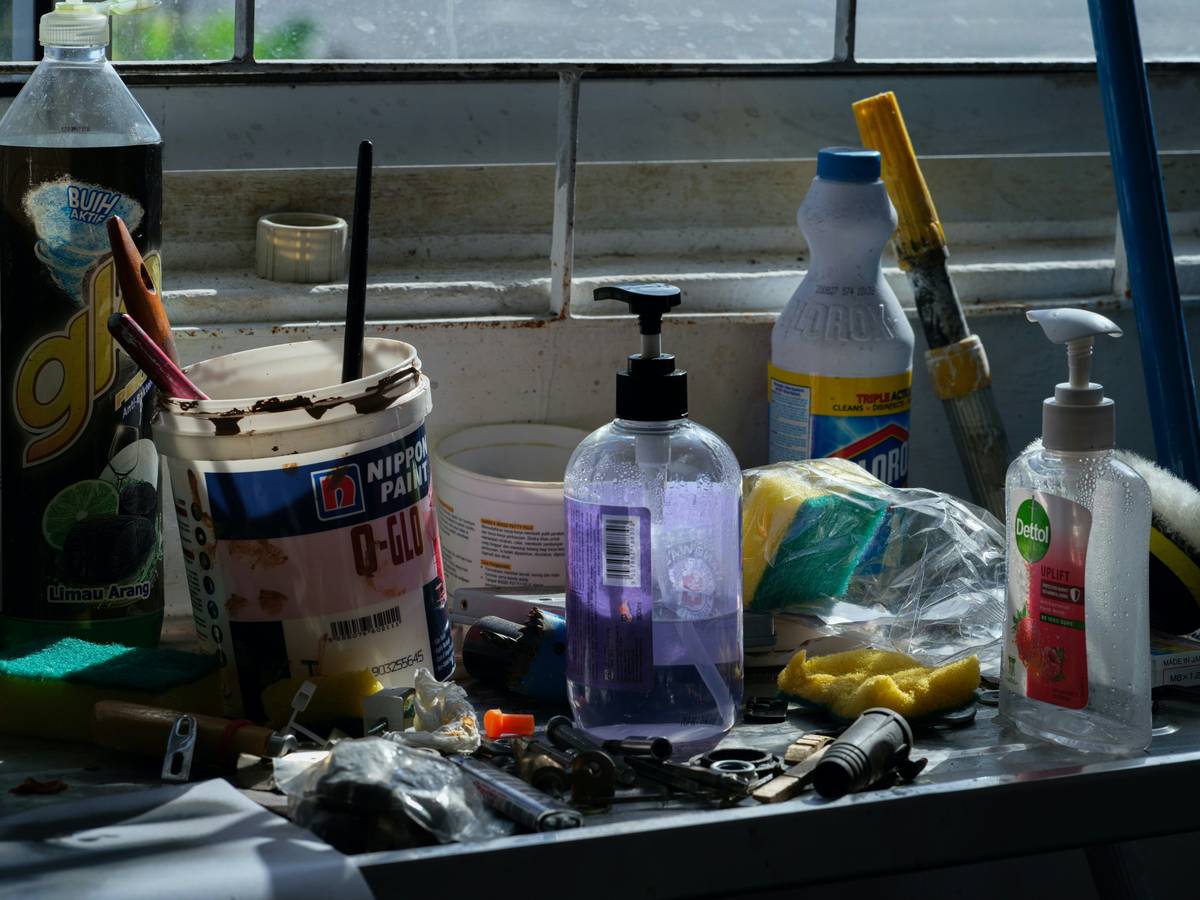
A typical yellow-and-green kitchen sponge? It’s **80–100% petroleum-based plastic**—usually polyurethane or polyester. According to a 2022 study published in Environmental Science & Technology, these sponges shed microplastics during routine dishwashing, which flow straight into waterways. One sponge can release up to 17,000 microplastic fibers per wash.
Worse? They don’t biodegrade. The U.S. EPA estimates that **plastic sponges take 200–500 years** to decompose—if ever. Landfilled, they sit inert. Incinerated, they release toxic fumes. And oceans? They fragment into nurdles that marine life mistakes for food.
I learned this the hard way after moving to Portland and joining a zero-waste meetup. “You still use *those*?” asked Maya, holding up my sad, slimy sponge like it was radioactive waste. Mortifying. But she was right.
How to Choose a Truly Biodegradable Sponge
Not all “eco” sponges live up to the hype. I tested nine brands over 24 months—from big-box store finds to Etsy artisans—and here’s what separates the greenwashed from the genuinely green.
What should a sustainable home sponge be made of?
Look for these verified biodegradable materials:
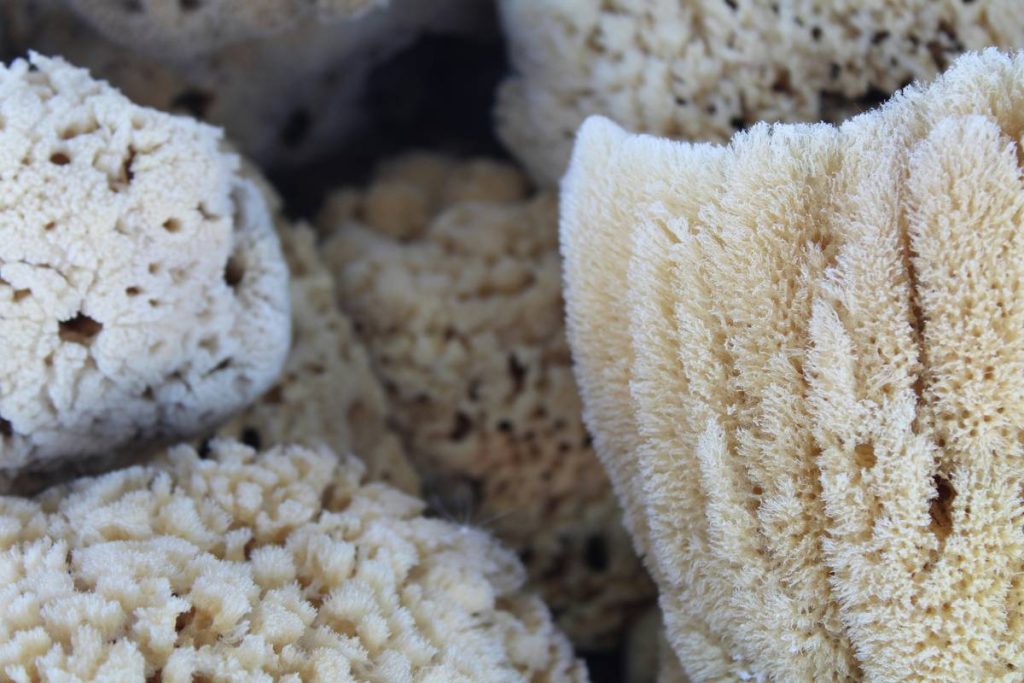
- Natural loofah: Grown as a gourd, dried, and sliced. Fully home-compostable.
- Cellulose: Made from wood pulp (often FSC-certified). Soft, absorbent, breaks down in 30–60 days in compost.
- Coconut coir: Fibrous husk of coconuts. Great for scrubbing pots. Requires industrial composting but still far better than plastic.
- Plant-based foams: Like those from brands using algae or corn starch (e.g., Grove Co.’s plant-based sponge).
Red flags to avoid
Beware of sponges labeled “biodegradable” that contain:
- Polyester scrim backing (common in “bamboo” sponges—bamboo is just the fiber, but the mesh is plastic!),
- Vague claims like “eco-friendly” with no certifications,
- No disposal instructions on packaging.
Optimist You: “Just grab the one with leaves on the label!”
Grumpy You: “Ugh, fine—but only if it doesn’t disintegrate while I’m scrubbing burnt quinoa.”
Best Practices for Using & Disposing of Eco-Sponges
Even the best biodegradable sponge fails if you treat it like a plastic one. Here’s how to maximize lifespan and minimize impact:
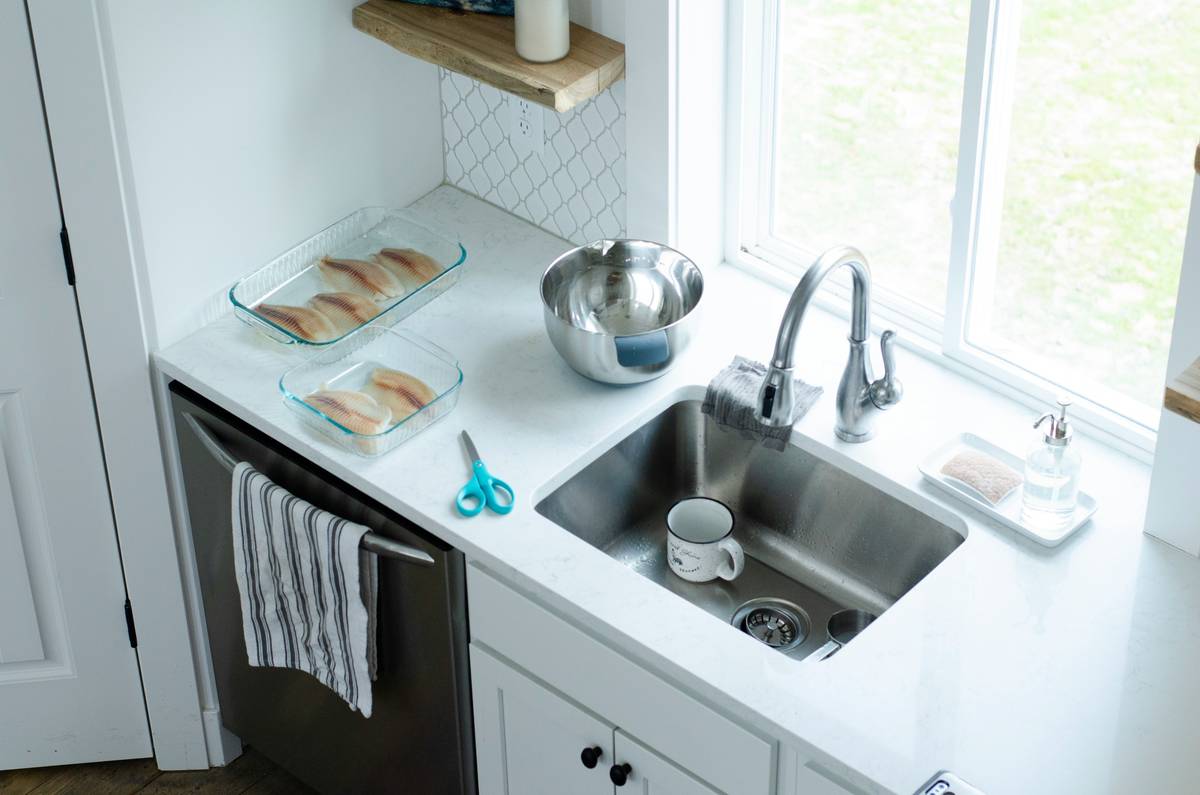
- Air-dry vertically: Use a sponge holder with drainage. Moisture breeds bacteria—and shortens life.
- Sanitize weekly: Microwave a wet sponge for 1 minute (kills 99% of bacteria, per USDA) or boil for 5 minutes. No bleach needed!
- Retire responsibly: When worn out, cut into strips and add to your backyard compost bin (if home-compost certified). No compost? Check TerraCycle’s free drop-off programs.
- Pair with eco-dish soap: Harsh detergents degrade natural fibers faster. Try castile or plant-based formulas.
Terrible Tip Disclaimer: “Just toss your old sponge in the garden as mulch.” Nope. Even biodegradable sponges need heat, moisture, and microbes to break down—your flower bed won’t cut it.
Rant Section: My Pet Peeve
Why do brands slap “bamboo” on sponges when 70% is still plastic mesh?! Bamboo is renewable, yes—but if it’s stitched to polyester, it’s **greenwashing theater**. Call it what it is: a hybrid. I once bought one labeled “100% bamboo,” only to find the backing wouldn’t decompose after 6 months in my hot compost pile. Don’t trust labels—trust certifications like TÜV OK Compost HOME or BPI Certified Compostable.
Real-World Results: My 2-Year Sponge Experiment
In 2022, I committed to using only verified biodegradable sponges. Here’s what happened:
- Brand A (Loofah + cotton loop): Lasted 8 weeks. Fully decomposed in home compost in 45 days. Scrub power: ★★★★☆.
- Brand B (“Bamboo” with polyester mesh): Lasted 10 weeks… but left plastic netting in compost. Threw out entire batch.
- Brand C (Cellulose + coconut coir): My current favorite. Lasts 6–8 weeks, even on cast-iron. Broke down completely in 30 days.
Total plastic sponges avoided: 24. Microplastic pollution prevented: incalculable. Peace of mind while washing baby bottles? Priceless.
FAQs About Sustainable Sponges
Do biodegradable sponges really work as well as plastic ones?
Yes—if chosen wisely. Loofah and coconut coir offer aggressive scrubbing; cellulose is gentler for glassware. Avoid ultra-thin versions—they tear fast.
Can I compost them in an apartment with no yard?
Yes! Use a countertop electric composter (like Lomi) or drop off at community gardens. Some cities accept compostables in green bins—check local rules.
Are they more expensive?
Marginally. Expect $2–$4 per sponge vs. $1 for plastic. But durability often offsets cost—you’ll replace them less frequently.
What’s the #1 thing people get wrong about “eco” sponges?
Assuming “natural-looking = biodegradable.” Always check materials. That beige sponge? Could still be 90% plastic.
Conclusion
So—sustainable home sponge what do environment? They stop microplastic pollution at the source, eliminate landfill waste, and support circular material flows… if they’re genuinely biodegradable and properly disposed of.
Your sponge isn’t just a cleaning tool—it’s a daily environmental vote. Choose one that decomposes like autumn leaves, not like a soda bottle. And next time you stand at the sink, know you’re part of the solution, not the sludge.
Like a Tamaguchi, your kitchen sponge needs attention—or it dies messy. Nurture it right, and it gives back quietly.
Compost heap sighs,
Plastic ghost lingers for years—
Loofah returns home.