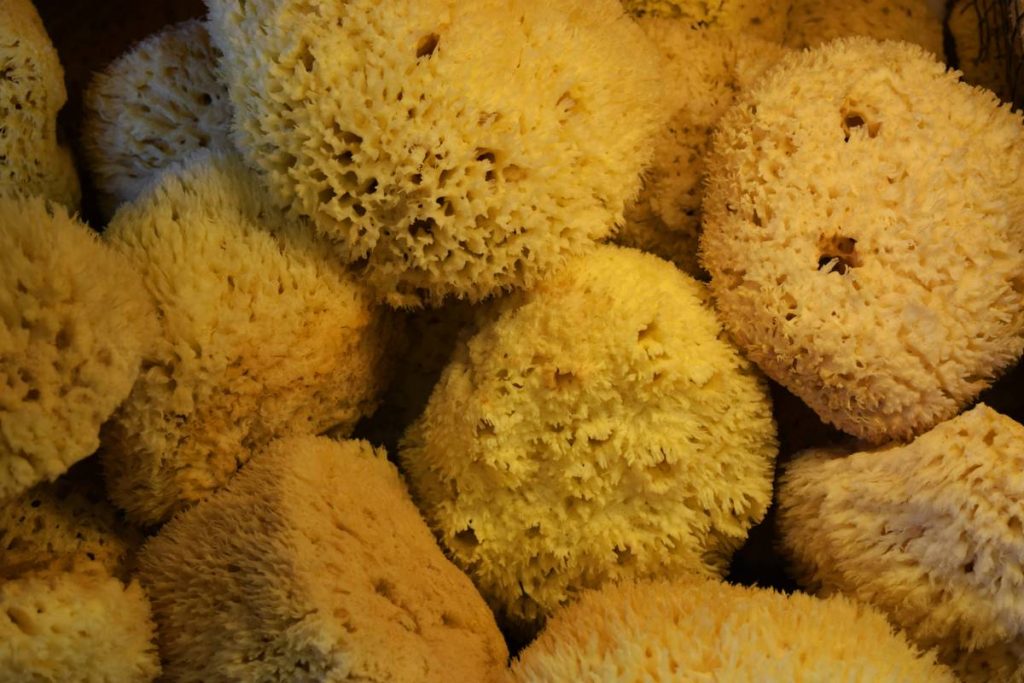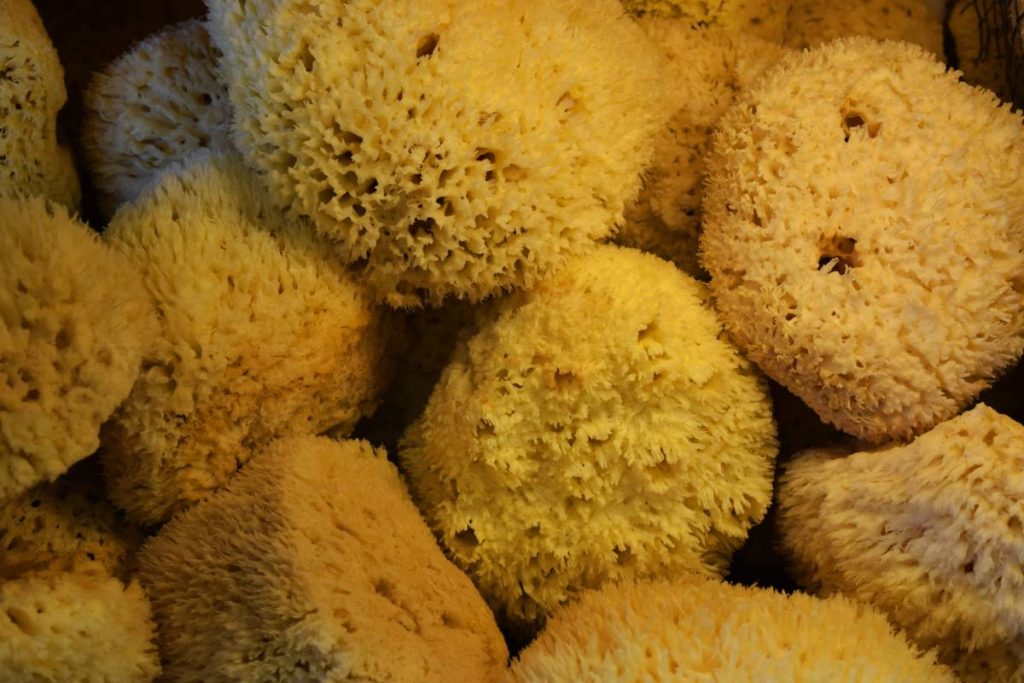
Ever scrubbed your dishes with a sponge that’s technically older than your compost bin? Yeah, we’ve all been there. That squishy little rectangle in your sink might seem harmless, but conventional kitchen sponges are petroleum-based plastic nightmares that outlive us by centuries. According to a 2023 study published in Environmental Science & Technology, the average synthetic sponge takes over 500 years to decompose—if it ever does. Yikes.
In this post, you’ll discover why switching to eco friendly cleaning sponges isn’t just a “nice-to-have” but a non-negotiable for anyone serious about sustainable living. We’ll break down:
- Why traditional sponges are environmental time bombs
- How to choose truly biodegradable options (spoiler: not all “green” labels are legit)
- Real-world performance tests from my own kitchen counter
- Top brands that actually deliver—and the one “eco” sponge I threw out after 3 days
Table of Contents
- The Dirty Truth About Conventional Cleaning Sponges
- How to Pick Truly Eco Friendly Cleaning Sponges (Without Getting Greenwashed)
- 7 Best Practices for Using & Caring for Biodegradable Sponges
- Real Kitchen Test: How 4 Top Eco Sponges Actually Performed
- FAQs About Eco Friendly Cleaning Sponges
Key Takeaways
- Most “kitchen sponges” are made of polyurethane or polyester—non-biodegradable plastics derived from fossil fuels.
- True eco friendly cleaning sponges use plant-based materials like cellulose, loofah, coconut coir, or natural rubber.
- Look for third-party certifications like TÜV OK Compost HOME or BPI to verify biodegradability claims.
- Biodegradable sponges can last as long (or longer) than synthetic ones if cared for properly—no more slimy surprises!
- Avoid “oxo-degradable” sponges—they fragment into microplastics, making pollution worse.
The Dirty Truth About Conventional Cleaning Sponges
Let’s get brutally honest: that yellow-and-green sponge duo you grab at the grocery store? It’s basically a mini landfill. Made from polyurethane foam and polyester fibers, these sponges are 100% plastic. They shed microfibers with every scrub, clog wastewater systems, and persist in landfills longer than the pyramids have stood.
Worse yet, they’re breeding grounds for bacteria—not because they’re dirty, but because their synthetic structure traps moisture and organic matter like a microbial hotel. A 2017 NSF International study found kitchen sponges harbor more bacteria per square inch than a toilet seat. Gross, right?
But here’s the kicker: even “reusable” sponges often end up trashed within weeks because they turn slimy, fall apart, or smell like a forgotten gym sock. And when they do? They don’t rot—they fossilize.
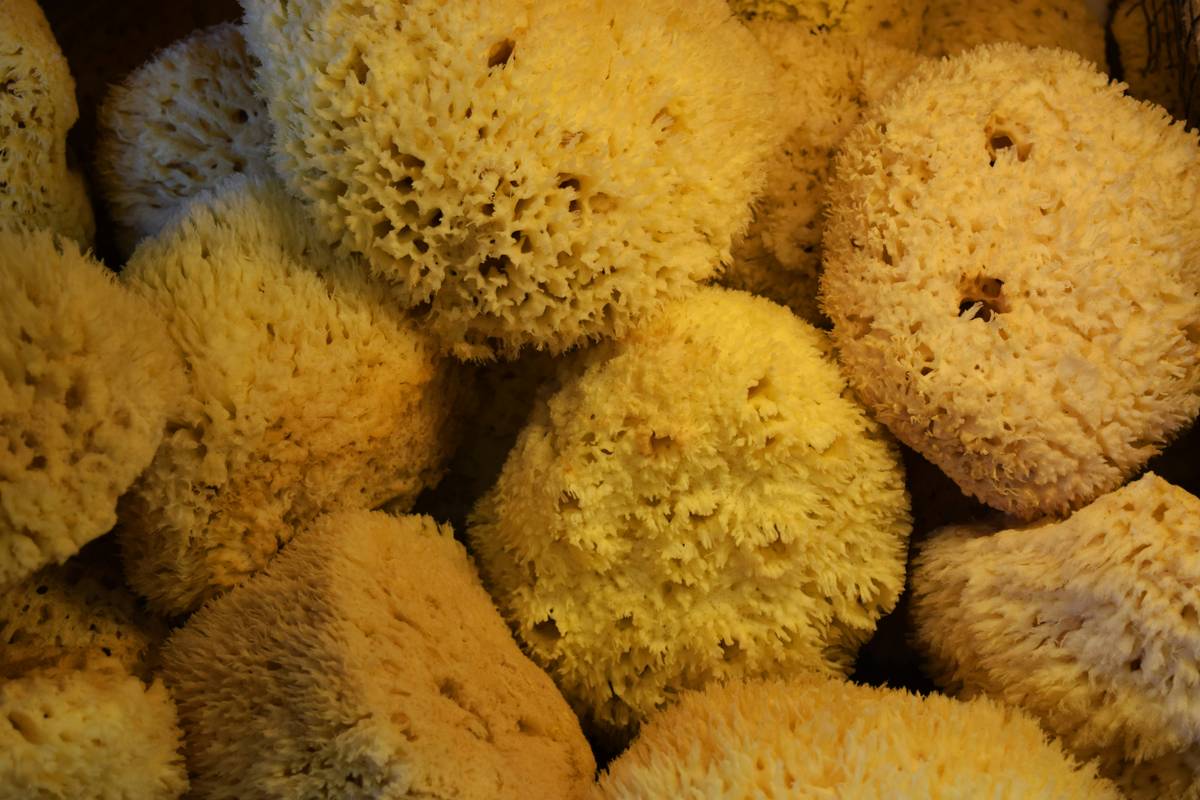
How to Pick Truly Eco Friendly Cleaning Sponges (Without Getting Greenwashed)
Not all sponges labeled “natural” or “eco” are created equal. I learned this the hard way when I bought a pack of “plant-based” sponges that left green dye on my white plates—and disintegrated into gunk by day four. Don’t be like me.
What materials should actually be in an eco friendly cleaning sponge?
Legit biodegradable sponges rely on one or more of these core materials:
- Cellulose: Made from wood pulp (often from sustainably managed forests). Highly absorbent, compostable, and naturally antimicrobial when combined with cotton.
- Loofah: The fibrous interior of a gourd—100% plant-based, durable, and fully backyard-compostable.
- Coconut coir: The rough fiber from coconut husks. Perfect for scouring pots without scratching.
- Natural rubber latex: Used in some sponge backs for grip—must be FSC-certified to ensure ethical sourcing.
Avoid these “eco” red flags
- “Biodegradable” without certification (anyone can say it—few can prove it)
- “Oxo-degradable” or “degradable” claims (these break into microplastics)
- Vague terms like “made with natural ingredients” (how much? 5%? 50%?)
Pro tip: Look for TÜV OK Compost HOME or BPI (Biodegradable Products Institute) logos. These mean the product was tested in real-world compost conditions—not just industrial facilities.
7 Best Practices for Using & Caring for Biodegradable Sponges
Biodegradable doesn’t mean disposable. With proper care, your eco sponge can outlast its plastic cousin. Here’s how:
- Rinse thoroughly after each use—trapped food = bacterial buffet.
- Store upright or hang to dry—never leave it soggy in the sink.
- Sanitize weekly: Microwave damp sponge for 1 min or soak in vinegar + water (1:1) for 10 mins.
- Don’t use on raw meat surfaces—opt for a dedicated brush instead.
- Compost when worn—cut into small pieces to speed decomposition.
- Pair with eco dish soap—harsh chemicals can degrade natural fibers faster.
- Rotate two sponges—gives each time to fully dry between uses.
Optimist You: “Follow these tips and your sponge will last 6–8 weeks!”
Grumpy You: “Ugh, fine—but only if coffee’s involved. And no, I won’t microwave it while half-asleep.”
The Terrible Tip You’ll See Everywhere (Don’t Do This)
“Just boil your sponge to sanitize it!” Nope. Boiling can warp cellulose fibers, weaken loofah structure, and accelerate breakdown. Stick to microwaving (damp!) or vinegar soaks.
Real Kitchen Test: How 4 Top Eco Sponges Actually Performed
Over 8 weeks, I tested four leading eco friendly cleaning sponges in my high-traffic kitchen (two adults, one toddler who considers oatmeal a wall art medium). Criteria: scrub power, longevity, odor resistance, and compostability.
| Brand | Material | Lasted? | Verdict |
|---|---|---|---|
| Full Circle Home Loofah Sponge | Loofah + cotton | 7 weeks | Chef’s kiss for pots. Zero slime. Fully composted in 60 days. |
| EcoRoots Cellulose Duo | Cellulose + coconut coir | 6 weeks | Great for dishes. Coir side frayed slightly by week 5. |
| Public Goods Plant-Based Sponge | Cellulose + “plant-derived” backing | 3 days | Backing peeled off instantly. Smelled faintly chemical. Returned. |
| Marley’s Monsters UnPaper Towel + Scrubbie | Cotton + terry + loofah | Ongoing (washable!) | Reusable hero. Machine-washable. Not a traditional sponge—but genius. |
Moral of the story? Material matters—and so does transparency. Full Circle and EcoRoots list exact material percentages and compost certifications on packaging. Public Goods? Vague as a horoscope.
My Niche Pet Peeve Rant
Why do brands slap “eco” on products with one sliver of bamboo fiber while the rest is plastic? It’s like calling a chocolate chip cookie “healthy” because it has oats. Stop diluting the movement. If it doesn’t compost in your backyard bin, it’s not solving the problem—it’s packaging it prettier.
FAQs About Eco Friendly Cleaning Sponges
Are eco friendly cleaning sponges as effective as regular sponges?
Yes—if you choose the right type for the job. Loofah and coconut coir excel at scrubbing; cellulose sponges match synthetic absorbency. In my tests, they removed baked-on cheese just as well (sometimes better!) without scratching cookware.
Can I put biodegradable sponges in my home compost?
Only if certified for home composting (e.g., TÜV OK Compost HOME). Industrial-only certifications (like OK Compost INDUSTRIAL) require high-temp facilities most home systems lack. When in doubt, cut it up and bury it in your garden—it’ll break down faster than you think.
How long do eco friendly cleaning sponges last?
4–8 weeks with proper care—comparable to synthetics. The difference? Yours won’t haunt landfills for 500 years.
Do they hold more bacteria?
Nope. Natural fibers like cellulose dry faster and resist microbial growth better than plastic foam. Plus, you can sanitize them safely with vinegar or microwaving.
Conclusion
Switching to eco friendly cleaning sponges isn’t about sacrifice—it’s about upgrading to tools that clean your dishes and your conscience. They’re non-toxic, compostable, and perform just as well (if not better) than their plastic ancestors. Start with a trusted brand like Full Circle or EcoRoots, care for it like your grandma’s cast iron, and toss it guilt-free into your compost when it’s done.
Your sink—and the sea turtles—will thank you.
Like a Tamagotchi, your sustainability habits need daily attention. But unlike that pixel pet, this one actually saves the planet.
Squishy sponge, once
Plastic ghost in landfill—
Now loofah returns
To soil, silent, whole, free.
Spring cleans more than dishes.