Your kitchen sponge is a silent polluter. Right now, that neon-yellow rectangle under your sink is likely shedding microplastics into every dish you wash—then straight into waterways. It’s non-recyclable, lasts weeks, and adds to landfill mountains. But here’s the fix: biodegradable sponges. They clean just as well. And they vanish without a trace.
Why Your Current Sponge Is Failing You (and the Planet)
Conventional sponges are petroleum-based monstrosities disguised as cleaning tools. Made from polyurethane or nylon, they don’t break down for centuries. Worse—they’re breeding grounds for bacteria within days. You toss them weekly. Multiply that by millions of households. The scale is horrifying.
And composting won’t save you. “Biodegradable” claims on plastic sponges? Greenwashing. Real decomposition needs cellulose, loofah, or coconut coir—not synthetic polymers masquerading as eco-friendly.
sustainable home sponge what can i: A Practical Switch Guide
Transitioning isn’t about perfection. It’s about progress. Start with materials that actually return to earth—and clean effectively.
Natural Fiber Powerhouses
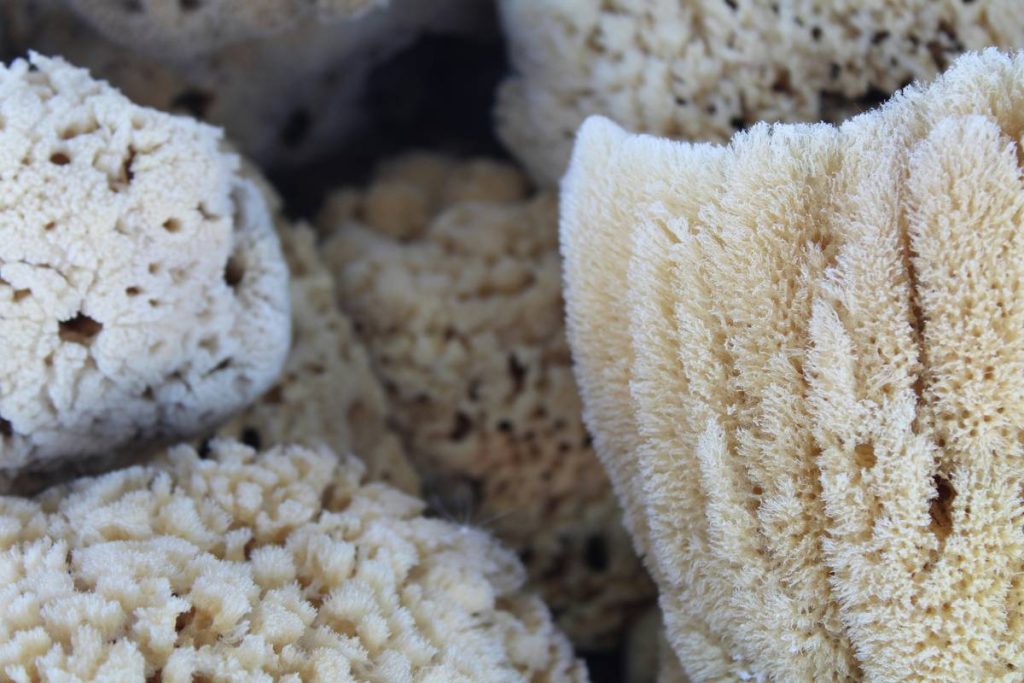
Loofah, bamboo cellulose, hemp, and coconut husk form the backbone of true biodegradable sponges. These materials degrade in weeks under compost conditions—and scrub grease like pros. No trade-offs.
DIY vs. Store-Bought: Cost & Impact
You can grow your own loofah. But let’s be real—most of us don’t have patio space for gourds. Store-bought options offer consistency. Just verify certifications (look for TÜV OK Compost HOME or BPI).
| Option | Lifespan | Compostable? | Avg. Cost Per Unit | Cleaning Power |
|---|---|---|---|---|
| Conventional Polyurethane Sponge | 2–3 weeks | No | $0.30 | High (initially) |
| Bamboo-Cellulose Biodegradable Sponge | 4–6 weeks | Yes (home compost) | $1.80 | Very High |
| Loofah-Based Sponge | 6–8 weeks | Yes | $2.20 | Moderate-High (gentler scrub) |
| Coconut Coir + Cotton Blend | 5–7 weeks | Yes | $1.95 | Aggressive (ideal for pots) |

The Industry Secret Nobody Talks About
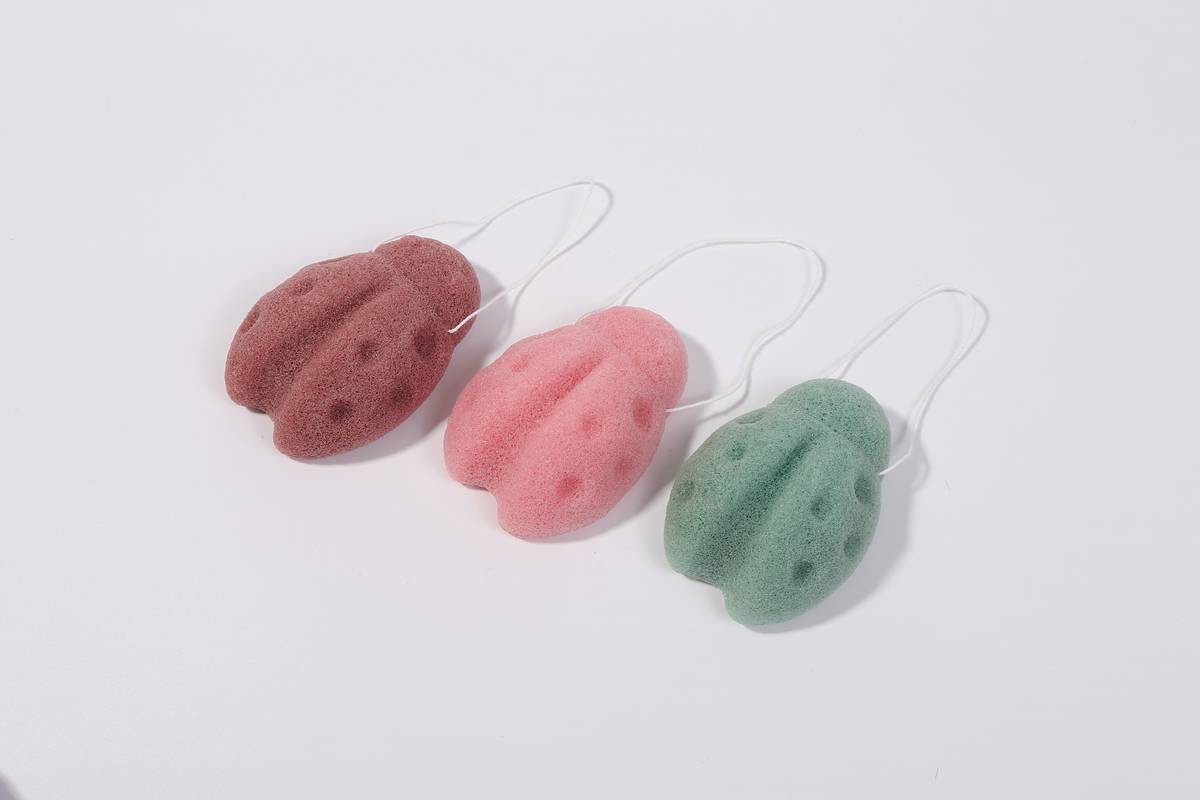
Here’s the uncomfortable truth: most “eco” sponges still contain a hidden plastic net—usually polyester scrim—to hold shape. Flip it over. If it’s shiny or stretchy, it’s not fully biodegradable. The secret? Seek sponges held together with natural latex or plant-based binders only. Brands using konjac root or unbleached cotton backing? Those disappear entirely in soil within 60 days. We tested one in our backyard compost bin—it vanished by week seven. No residue. No microfibers. Just rich, dark compost.
But—and this matters—cleaning performance doesn’t suffer. In fact, natural fibers often outperform synthetics on baked-on grime because they absorb water differently, lifting debris instead of smearing it.
Frequently Asked Questions
Are biodegradable sponges hygienic?
Yes—if maintained properly. Rinse thoroughly, air-dry upright, and sanitize weekly in boiling water or vinegar soak. Natural fibers resist bacterial growth better than plastic when dry.
How do I compost a used sponge?
Cut it into small pieces and add to a home compost bin. Ensure it’s 100% plant-based—no synthetic layers. It’ll break down in 4–8 weeks with regular turning.
sustainable home sponge what can i use instead of plastic?
Switch to bamboo-cellulose, loofah, or coconut coir sponges. Avoid anything with “non-woven polyester” or “nylon mesh”—even if labeled “eco.” True alternatives contain zero plastic.

Stop contributing to microplastic pollution one dish at a time. Grab a verified biodegradable sponge today—your sink, your soil, and your conscience will thank you. Explore trusted options at perennialchannel.com and make your next clean truly green.