You’ve scrubbed your dishes a thousand times. But have you ever stopped to think what happens to that sponge after it disintegrates into your sink? Most “cleaning” tools are quietly poisoning ecosystems—microplastics, synthetic fibers, chemical residues. The dirty truth? Conventional sponges aren’t just inefficient; they’re ecological time bombs. Switching to truly biodegradable alternatives isn’t optional anymore—it’s urgent.
The Core Problem With Conventional Cleaning Sponges
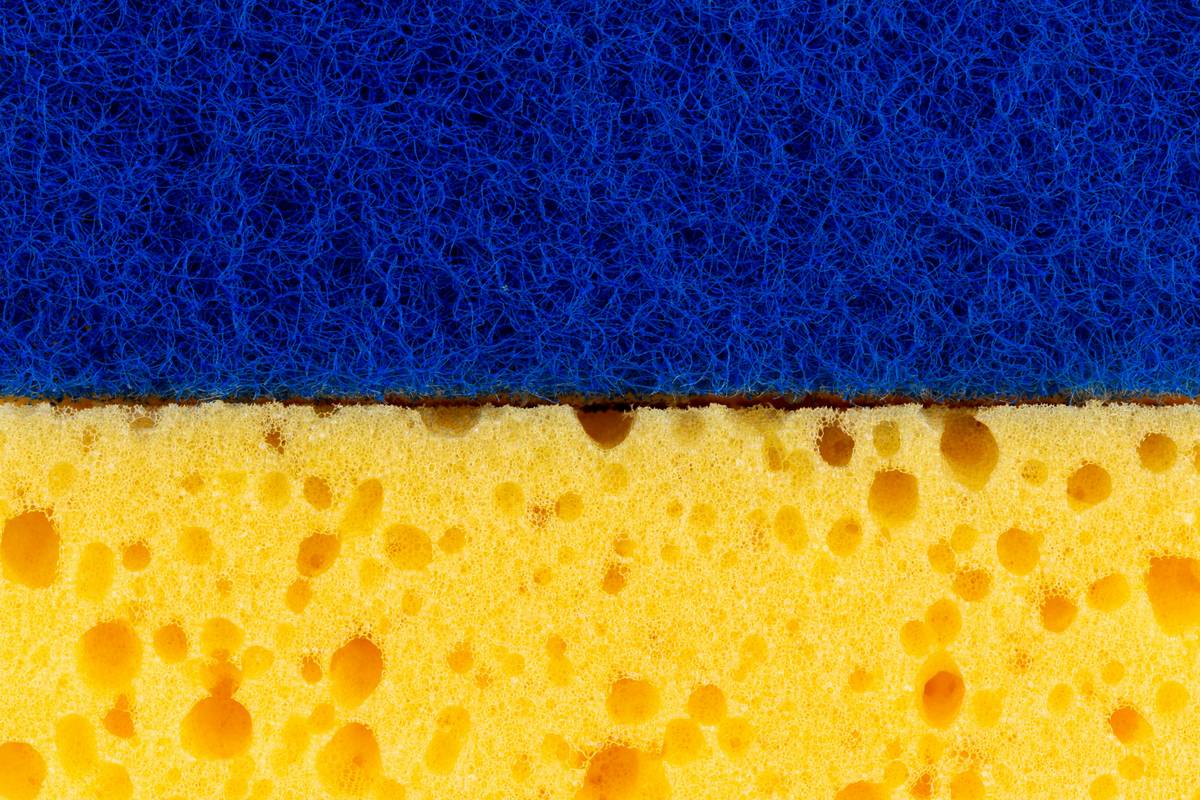
That bright yellow sponge under your sink? It’s likely a Frankenstein of polyurethane and polyester—materials that take centuries to decompose. And when they finally break down, they become microplastics infiltrating soil, waterways, and even your food chain.
Manufacturers love them because they’re cheap to produce. You tolerate them because they’re everywhere. But performance-wise? They’re mediocre at best—harboring bacteria within days, shedding toxic particles with every wipe.
And worst of all—they’re marketed as disposable. Which means you’re constantly buying more… feeding the cycle.
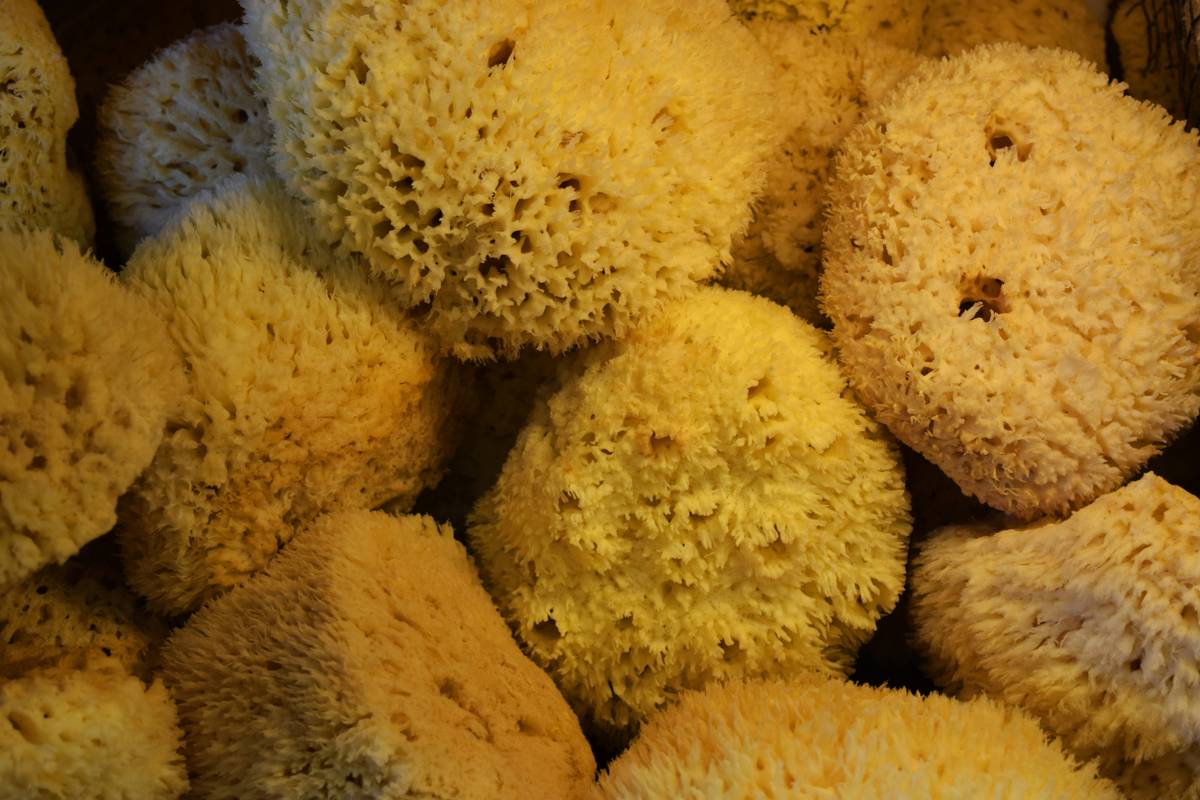
types of sponges for cleaning: A Practical Switch Guide
Not all “eco” sponges are created equal. Some are greenwashed hybrids—part plant, part plastic. Others degrade too fast or scratch your cookware. Here’s how to cut through the noise:
100% Plant-Based Cellulose Sponges
Made from wood pulp or cotton linters, these absorb like a dream and compost in 4–6 weeks under proper conditions. Ideal for glassware, countertops, and non-stick pans. Just avoid leaving them soggy—they mold faster than synthetic versions if not dried properly.
Loofah-Based Scrubbers
Grown like squash, harvested, and sun-dried—the original biodegradable scrubber. Tough enough for baked-on grime but gentle on enamel. Bonus: Fully home-compostable. Downside? Less absorbent for liquid spills.
Coconut Coir + Natural Rubber Blends
For heavy-duty jobs—think cast iron or grill grates. The coir fibers provide serious abrasion without metal scouring pads’ damage. Paired with natural latex backing, these last longer than cellulose but still break down cleanly.
| Type | Biodegradability Timeline | Best For | Avg. Lifespan (with care) | Price Range (per unit) |
|---|---|---|---|---|
| Cellulose Sponge | 4–8 weeks (compost) | Dishes, glass, light spills | 2–4 weeks | $1.50–$2.50 |
| Loofah Scrubber | 6–12 weeks (soil/compost) | Pots, pans, outdoor surfaces | 4–6 weeks | $2.00–$3.50 |
| Coconut Coir Pad | 8–16 weeks (industrial compost) | Grill racks, stovetops, tough residue | 6–8 weeks | $3.00–$5.00 |
| Standard Synthetic Sponge | 200+ years (landfill) | Everything (but poorly) | 1–2 weeks | $0.50–$1.00 |
The Industry Secret No One Talks About
Here’s what brands won’t tell you: Many “biodegradable” sponges contain polyacrylate binders—synthetic glues that hold natural fibers together but don’t break down. They leave behind a ghost skeleton of plastic in your compost bin.
The math is simple: If it doesn’t fully disintegrate into soil within 90 days in a backyard pile, it’s not truly biodegradable. Always check ingredient lists for vague terms like “plant-based blend” or “eco-composite.” Demand transparency—look for certifications like OK Compost HOME or TÜV Austria.
And remember—durability ≠ sustainability. A sponge lasting six months sounds great until you realize it’s just delaying plastic pollution.
Frequently Asked Questions
Are biodegradable sponges as effective as regular ones?
Yes—often better. Cellulose sponges absorb 3x their weight in water, and loofahs offer superior scrubbing without scratches.
How do I dispose of biodegradable sponges properly?
Cut into small pieces and add to a home compost bin. Avoid landfill—they need oxygen and microbes to decompose.
Can I sanitize a natural sponge without bleach?
Absolutely. Microwave a wet sponge for 60 seconds or soak in vinegar + baking soda. Never use boiling water—it degrades natural fibers fast.