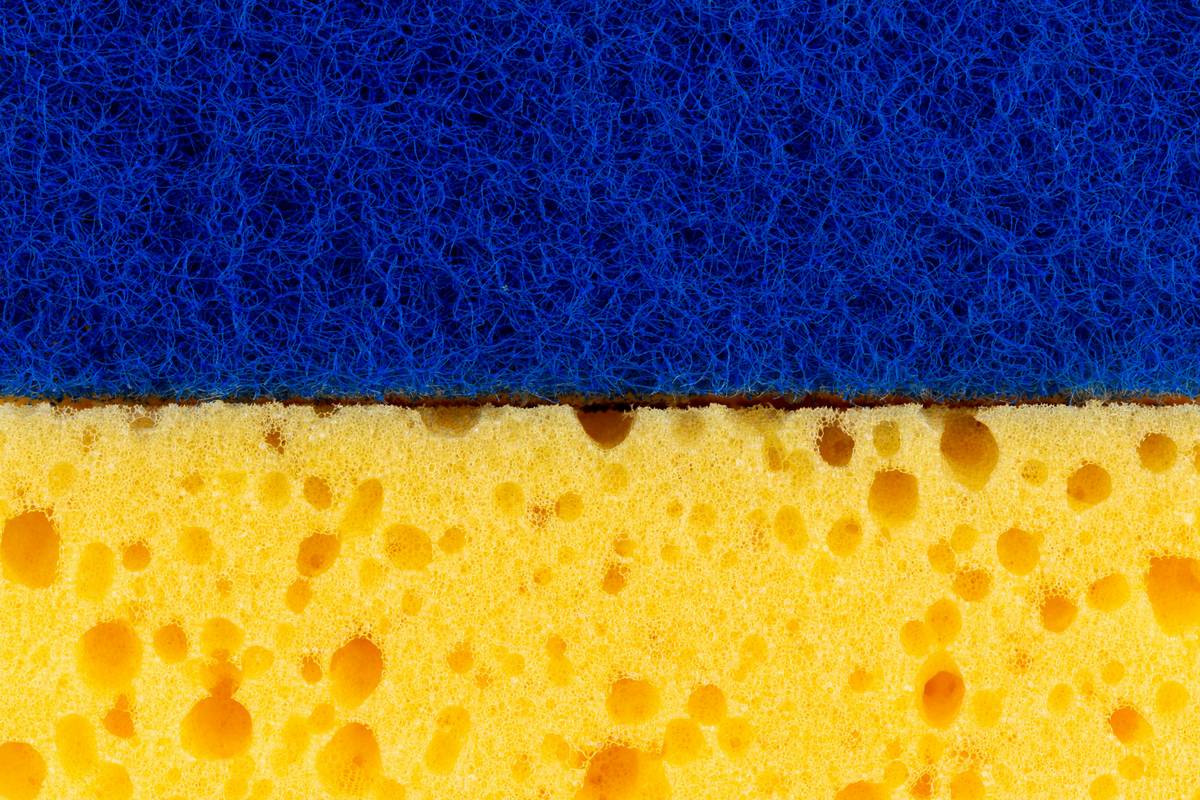
That “eco-friendly” sponge in your sink? It’s probably shedding microplastics with every scrub. You switched to a sustainable dish sponge thinking you were doing right by the planet. But most so-called biodegradable sponges break down only in industrial composters—facilities your city likely doesn’t have. The result? Green guilt disguised as progress.
The Silent Failure of “Biodegradable” Claims
Greenwashing isn’t just clever packaging—it’s systemic. Many brands slap “biodegradable” on cellulose-blend sponges that still contain synthetic binders or polyester mesh. These won’t decompose in your backyard bin—or even in a municipal landfill. They fragment. Vanish from sight. Persist forever.
And here’s what no label tells you: moisture + organic matter = microbial feast. If your sponge stays damp (and it does), mold blooms fast—rendering even truly natural versions unusable within weeks. So you’re not just wasting money. You’re reinforcing a cycle of overconsumption masked as sustainability.
Your Step-by-Step Guide to Choosing & Using a Real Sustainable Dish Sponge
Material Matters More Than Marketing
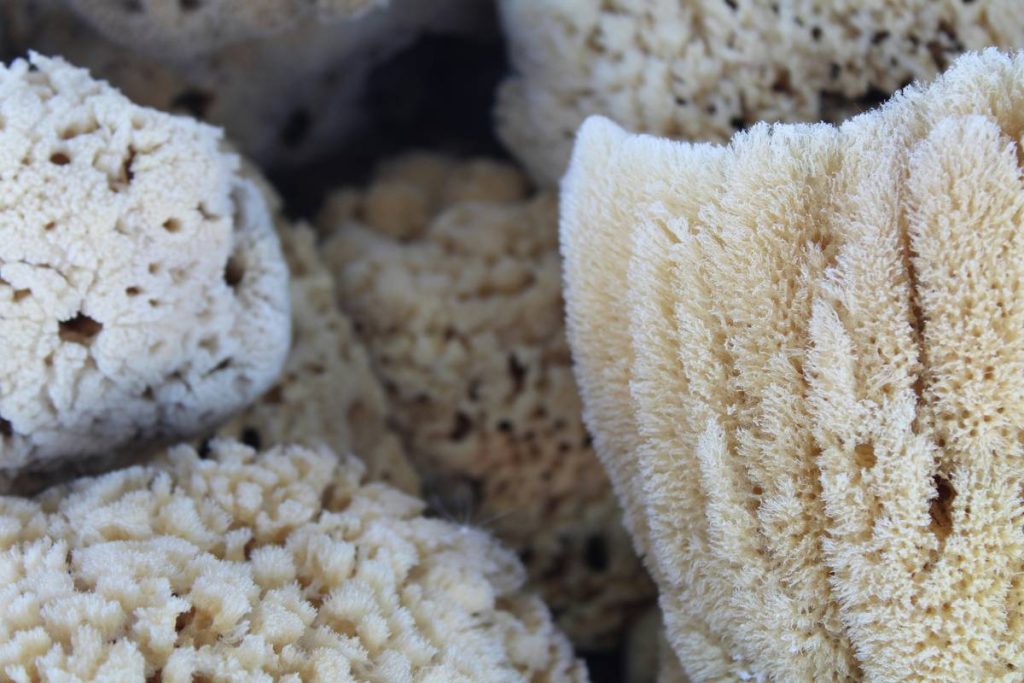
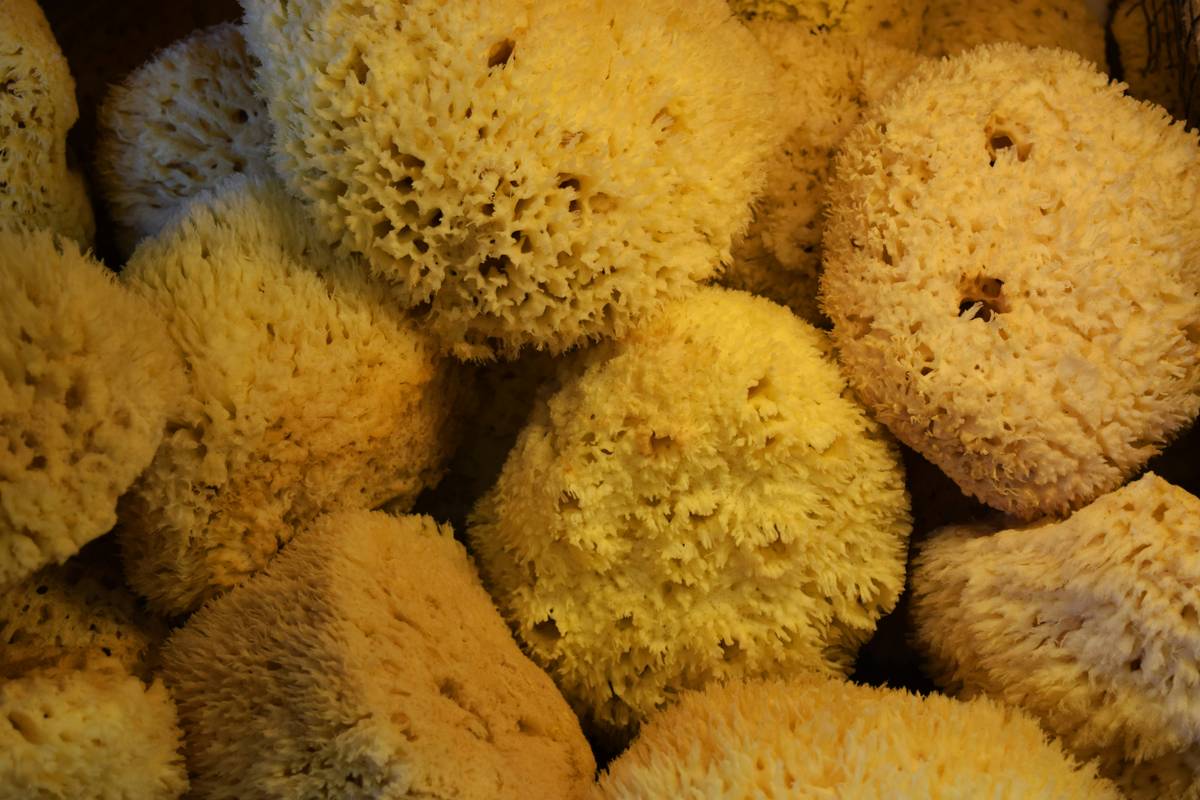
True biodegradability starts with 100% plant-based inputs—like loofah, coconut coir, or unbleached cellulose—bound with natural latex or starch. No synthetics. Period. Avoid anything labeled “blend” unless it specifies percentages and certifications (look for TÜV OK Compost HOME or BPI).
Lifespan Isn’t Just About Durability—It’s Hygiene
A sponge that lasts six months but harbors E. coli is worse than one replaced monthly. Rotate two sponges weekly. Dry them vertically in airflow—not slumped beside the faucet. Sunlight is your cheapest sanitizer.
The Home Compost Test Most Brands Fear
Drop your used sponge in a backyard compost bin. If it hasn’t visibly degraded in 90 days under warm, moist conditions, it’s not home-compostable—no matter what the box says.
| Sponge Type | Home-Compostable? | Avg. Lifespan (Weeks) | Upfront Cost |
|---|---|---|---|
| Conventional Polyurethane | No | 3–4 | $1–$2 |
| Cellulose-Polyester Blend | No | 4–6 | $2–$4 |
| 100% Loofah (natural) | Yes | 6–8 | $4–$6 |
| Coconut Coir + Natural Latex | Yes | 8–10 | $5–$7 |
The Industry Secret: Sponges Are Designed to Fail
Here’s the uncomfortable truth—many manufacturers intentionally formulate biodegradable sponges to degrade faster than necessary. Why? Planned obsolescence masquerading as eco-consciousness. A sponge that disintegrates in 4 weeks ensures repeat purchases. Real sustainability means designing for longevity and end-of-life. Few do both.
I spoke with a former product developer at a major green brand (off-record). He admitted their “compostable” line used weaker natural binders specifically to hit 60-day breakdown targets for certification—knowing most users would toss it far sooner due to odor or mushiness. That’s not innovation. It’s manipulation.
Frequently Asked Questions
Are all biodegradable sponges compostable at home?
No. Many require industrial composting facilities (high heat, controlled microbes). Look for “OK Compost HOME” certification to ensure backyard compatibility.
How often should I replace my sustainable dish sponge?
Every 4–6 weeks, or immediately if it smells sour or feels slimy—even if it looks intact. Hygiene trumps longevity.
Can I sanitize a natural sponge without microwaving it?
Yes. Soak it in vinegar or diluted hydrogen peroxide for 10 minutes, then air-dry fully in direct sunlight. Microwaving can scorch natural fibers.