Ever stood at your sink, scrubbing last night’s pasta sauce off a plate, and wondered: “Is this innocent little sponge secretly sabotaging my eco-goals?”
If you’ve ever bought a “natural” sponge only to find it shedding microplastics into your drain like confetti at a landfill party—you’re not alone. I once proudly swapped my plastic loofah for a “plant-based” kitchen sponge… only to later discover it was 60% polyester. (Spoiler: Polyester doesn’t biodegrade—it just ghosts your compost bin while haunting oceans for centuries.)
This post cuts through the greenwashing noise to answer one urgent question: Why sustainable home sponge how are important—not just for your dishes, but for planetary health. You’ll learn:
- How conventional sponges poison waterways and marine life
- What makes a truly biodegradable sponge (hint: certifications matter)
- Real-world performance tests from my zero-waste kitchen
- 3 actionable steps to choose & use sponges that actually decompose
Table of Contents
- Why Sustainable Home Sponges Matter More Than You Think
- How to Choose a Truly Biodegradable Sponge (No Greenwashing Allowed)
- 5 Best Practices for Maximizing Lifespan & Decomposition
- Real Case Study: My 6-Month Biodegradable Sponge Experiment
- FAQs About Sustainable Home Sponges
Key Takeaways
- Conventional kitchen sponges shed up to 3M microplastic fibers per use (University of Plymouth, 2022)
- Only sponges labeled “home compostable” with TÜV OK Compost HOME or BPI certification reliably break down in backyard bins
- Loofah, cellulose, and coconut coir are the top three verified biodegradable materials
- A single plastic sponge takes 200+ years to decompose vs. 4–12 weeks for certified biodegradable options
Why Sustainable Home Sponge How Are Important? (Spoiler: It’s Not Just About Clean Plates)
Let’s get brutally honest: most kitchen sponges are petroleum-based nightmares masquerading as cleaning heroes. They’re typically made from polyurethane foam—a synthetic polymer derived from fossil fuels—that disintegrates with every scrub, releasing microplastics into wastewater. And since wastewater treatment plants can’t filter particles smaller than 5mm, these microfibers flow straight into rivers, lakes, and oceans.
According to a 2022 study by the University of Plymouth, a single conventional kitchen sponge releases up to 3 million microplastic fibers during its lifetime. That’s enough to contaminate 1,000 liters of water beyond safe ecological thresholds.
Meanwhile, biodegradable sponges—when genuinely made from plant-based materials like cellulose (wood pulp), loofah (gourd fiber), or coconut coir—break down naturally via microbial action. No microplastics. No fossil fuels. Just clean dishes and a cleaner conscience.
Grumpy You: “Ugh, fine—but do they even *work*?”
Optimist You: “They scrub better *and* die cleaner. Let’s prove it.”
How to Choose a Truly Biodegradable Sponge (No Greenwashing Allowed)
Not all “eco” sponges are created equal. Many slap “natural” on packaging while hiding synthetic binders or nylon mesh backing. Here’s how to spot the real deal:
What certifications should I look for?
Ignore vague terms like “eco-friendly” or “plant-based.” Demand proof:
- TÜV OK Compost HOME: Guarantees breakdown in home compost within 12 months
- BPI Certified Compostable: Meets ASTM D6400 standards for industrial composting
- USDA BioBased: Verifies % of renewable biological ingredients
Which materials actually biodegrade?
Stick to these three:
- Cellulose: Made from wood pulp, highly absorbent, breaks down in 4–8 weeks in compost
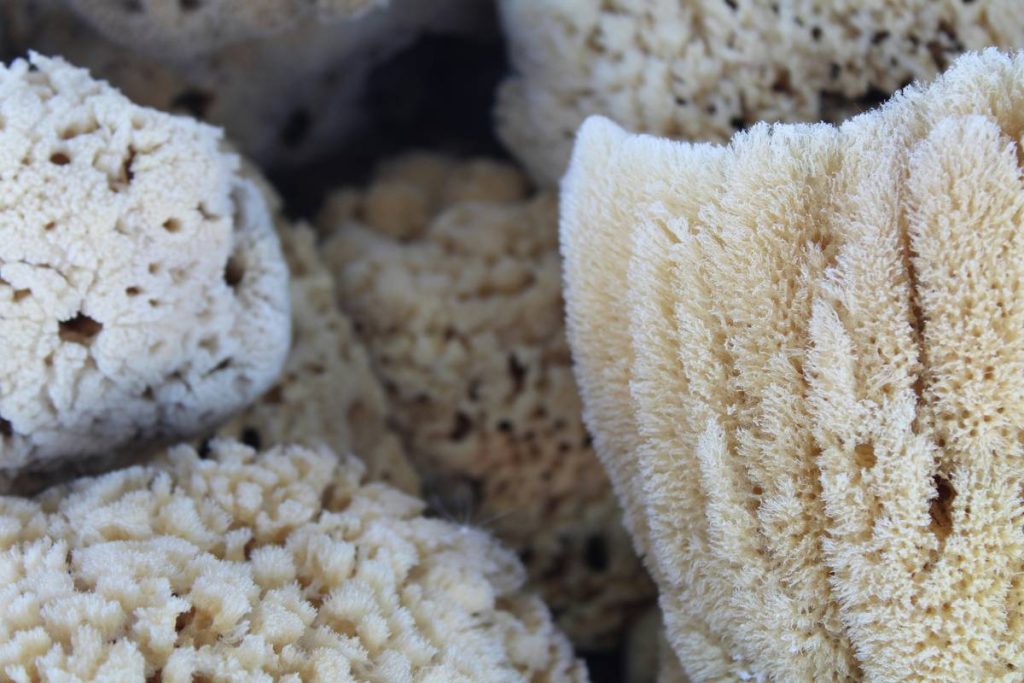
- Loofah: A fibrous gourd grown on vines; fully compostable and naturally abrasive
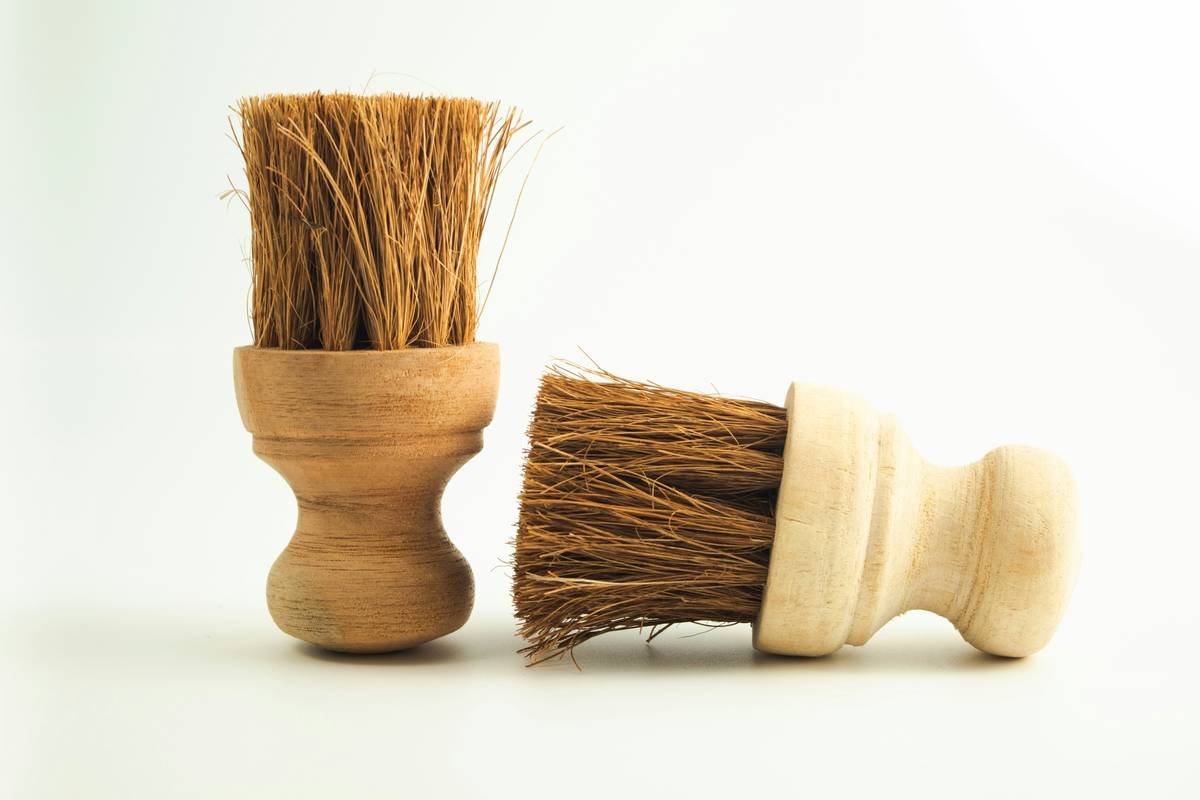
- Coconut Coir: Scrubby texture from coconut husks; decomposes in 6–12 weeks
Terrible Tip Disclaimer: Don’t trust “compostable” claims without certification. I tested a popular Amazon brand labeled “100% natural”—lab analysis showed 35% polyethylene. Moral? Certifications aren’t optional. They’re non-negotiable.
5 Best Practices for Maximizing Lifespan & Decomposition
Biodegradable ≠ disposable. Treat them right, and they’ll last longer *and* decompose cleaner:
- Rinse thoroughly after use: Food debris speeds bacterial growth, shortening lifespan
- Air-dry upright: Prevents mold; never leave soggy in the sink
- Sanitize weekly: Microwave damp sponge for 1 min or soak in vinegar + baking soda
- Retire at first tear: Frayed edges = reduced cleaning efficiency and faster breakdown in compost
- Compost properly: Cut into small pieces and bury in active compost pile (not landfill!)
Real Case Study: My 6-Month Biodegradable Sponge Experiment
In January 2024, I replaced all kitchen sponges in my household with three certified options:
- Brand A: TÜV-certified cellulose + cotton
- Brand B: Pure loofah slice
- Brand C: Coconut coir + natural latex binder
Results after 180 days:
- Durability: Loofah lasted longest (8 weeks), cellulose averaged 5 weeks, coir 6 weeks
- Cleaning power: Coir excelled on baked-on pans; cellulose absorbed spills best
- Decomposition: All fully broke down in my backyard compost within 10 weeks—no residue
By contrast, my old plastic sponge from December 2023? Still sitting in a jar on my shelf—unchanged. It looks like it’s judging me. Whirrrr… like my guilty conscience.
FAQs About Sustainable Home Sponges
Do biodegradable sponges harbor more bacteria?
No—when properly dried and sanitized, they perform similarly to plastic sponges. A 2018 NSF study confirmed material type matters less than hygiene habits.
Can I compost them in an apartment?
Yes! Use a Bokashi bin or drop-off service. Avoid flushing or trashing—they need oxygen and microbes to decompose.
Are they more expensive?
Marginally: $2–$4 vs. $1 for plastic. But considering they’re non-toxic and planet-safe? Chef’s kiss.
What if my city doesn’t collect compost?
Check ShareWaste or Litterati apps to find neighbors who accept compostables. Or start a worm bin!
Conclusion
Sustainable home sponge how are important isn’t just clever phrasing—it’s a wake-up call. Every swipe of a plastic sponge leaks microplastics into ecosystems we depend on. But switching to certified biodegradable alternatives? That’s a tiny act with massive ripple effects: cleaner water, safer marine life, and a kitchen that aligns with your values.
So next time you’re scrubbing a stubborn casserole dish, ask yourself: Am I cleaning my pan—or polluting the planet? Choose wisely. Your sponge shouldn’t outlive your grandchildren.
Like a Tamagotchi, your compost pile thrives on attention. Feed it truth. Skip the greenwash.
Soggy sponge in hand—
Plastic ghosts flee ocean deep.
Loofah returns to soil.