You’ve swapped plastic bottles for glass, ditched fast fashion—but your kitchen sponge? Still shedding microplastics into every sinkful. That innocent yellow rectangle is a silent polluter with a shelf life longer than your great-grandkids’. And most “biodegradable” store-bought sponges? Half-truths wrapped in greenwashing. Here’s the fix: make your own. how to make eco friendly sponge isn’t just possible—it’s shockingly simple, cheaper, and actually compostable.
Why Store-Bought “Eco” Sponges Fail the Real Test
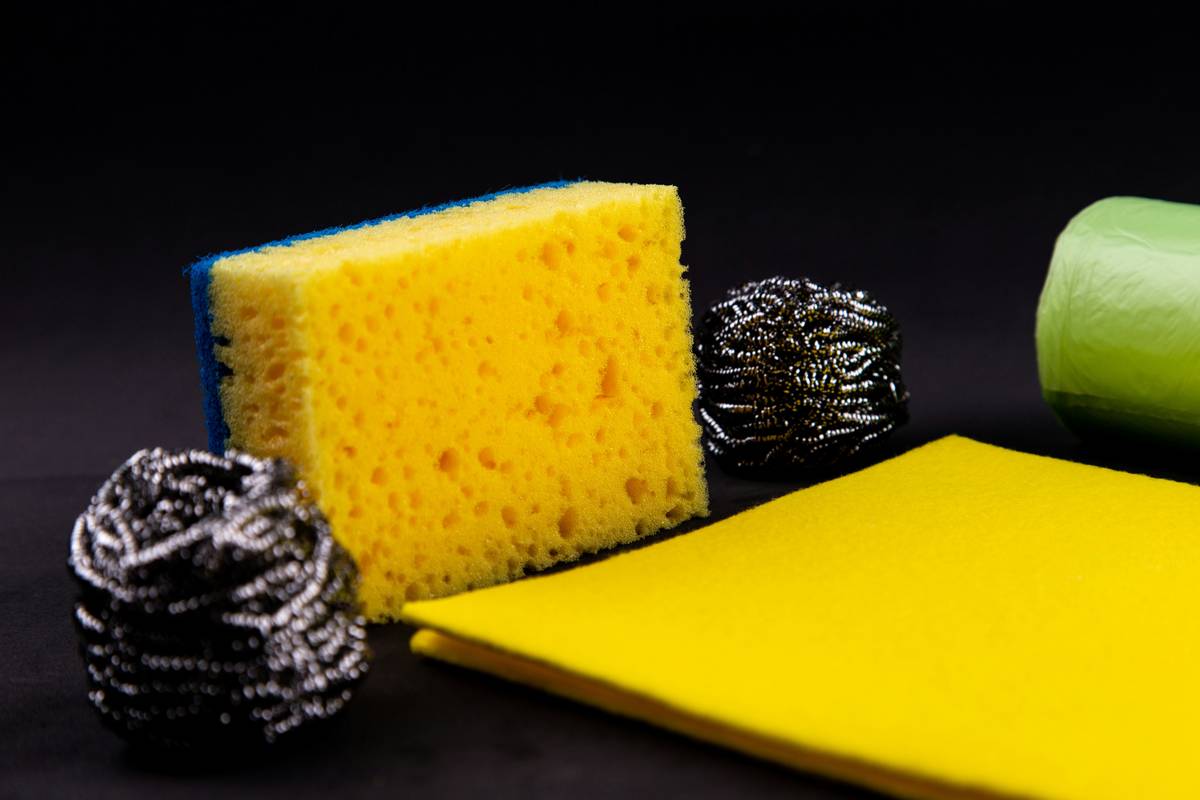
Most biodegradable sponges sold online blend cellulose with synthetic binders—nylon mesh, polyester backing, or undisclosed resins. They break down… sort of. But only under industrial composting conditions (which 98% of households lack). Toss them in your backyard bin, and they linger like ghosts. Worse, some use bamboo but process it with toxic solvents, undoing any ecological benefit.
And here’s the kicker: even if labeled “plastic-free,” many still contain non-compostable adhesives. The math is simple—you’re not solving waste; you’re just rebranding it.
How to Make Eco Friendly Sponge: A No-Fail DIY Blueprint
Forget complicated recipes. You need two core ingredients: natural fiber + plant-based binder. Below is the only method that passes the home-compost test—and costs less than $2 per batch.
Select Your Base Fiber Wisely
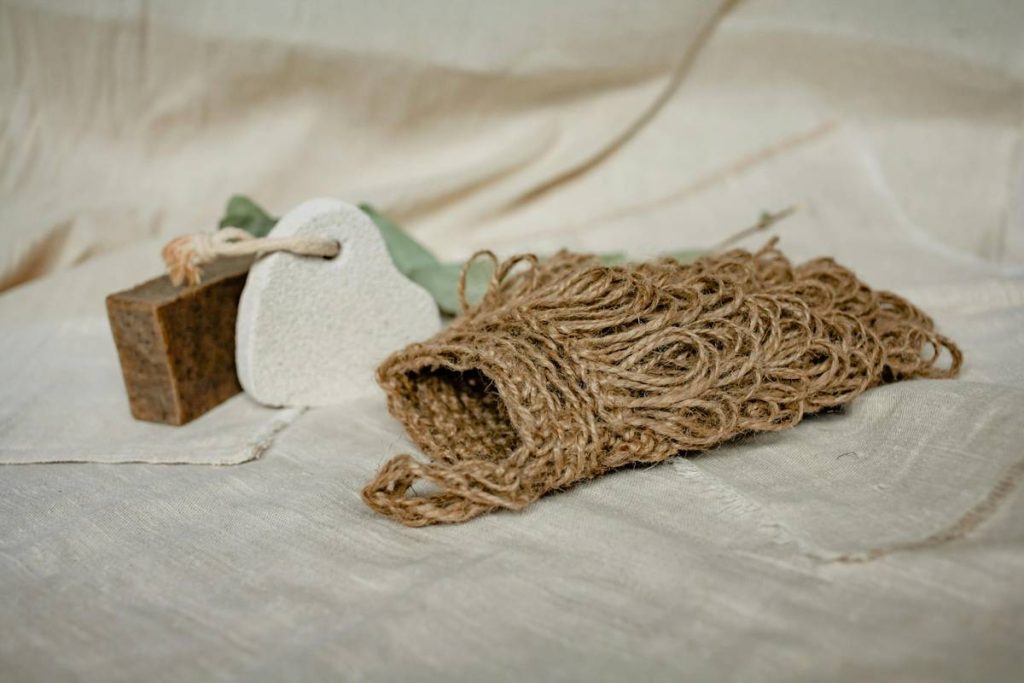
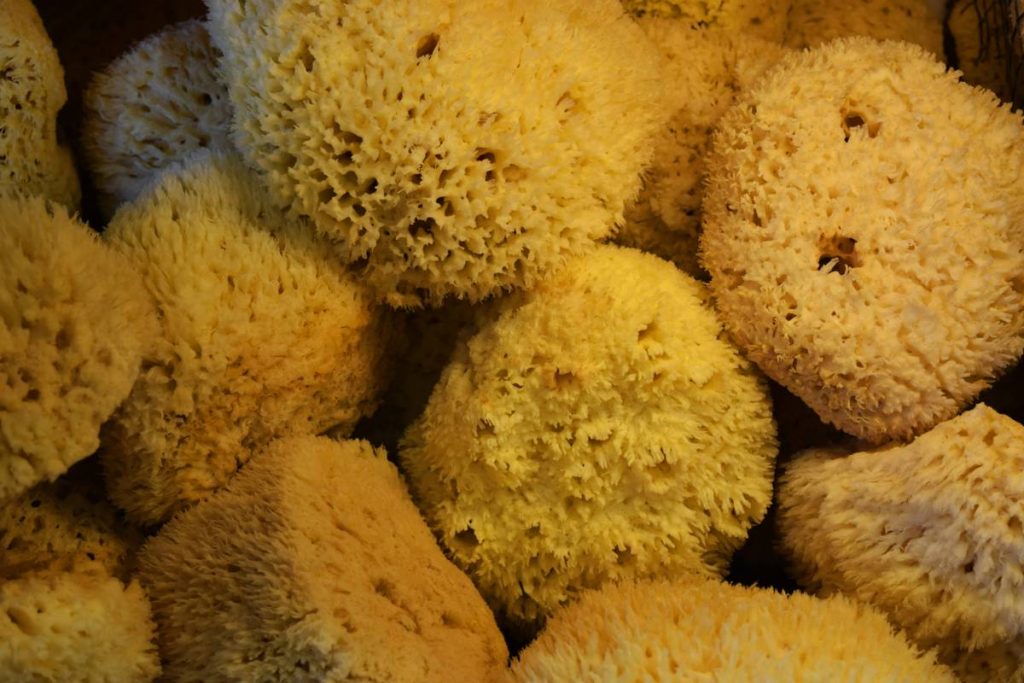
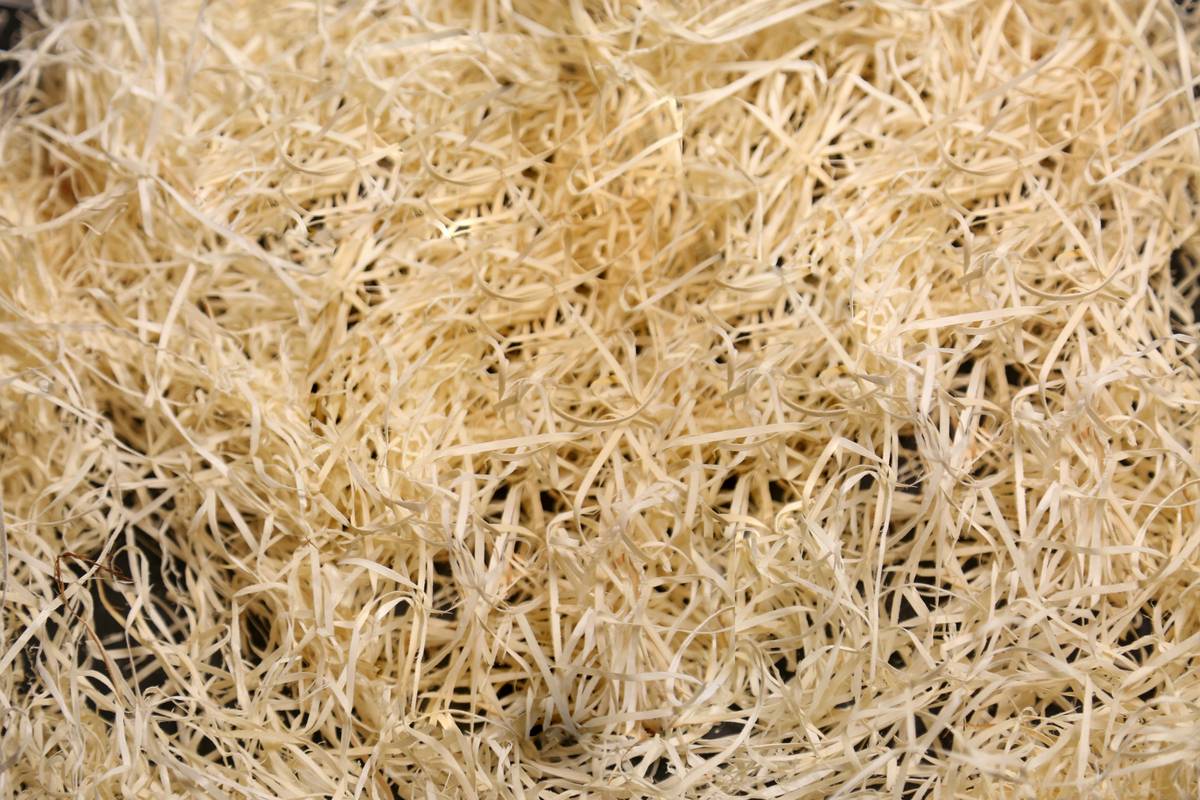
Luffa is king—naturally fibrous, durable, and fully compostable. But dried luffa gourds can be hard to source. Alternatives? Loofah scraps, untreated cotton batting, or even shredded coconut coir. Avoid anything bleached or dyed. Raw = rottable.
Bind It Without Poison
Commercial sponges use formaldehyde-based glues. Don’t. Instead, use agar-agar (seaweed extract) or flaxseed gel. Both are food-safe, mold-resistant when dry, and vanish cleanly in soil. Mix 1 tbsp agar powder with 1 cup boiling water—let it cool slightly before combining with your fiber.
Shape, Dry, and Cure
Pack the wet mixture into silicone molds (mini loaf pans work). Press firmly—air pockets weaken structure. Air-dry for 48 hours in a warm, breezy spot. Flip once halfway. Then, sun-cure for 24 hours. This UV exposure naturally inhibits mold without chemicals.
| Method | Cost per Sponge | Compost Time (Home Bin) | Durability (Weeks) |
|---|---|---|---|
| Store-Bought “Biodegradable” | $1.80 | Never fully breaks down | 3–4 |
| DIY Luffa + Agar | $0.75 | 4–6 weeks | 5–6 |
| Cotton + Flax Gel | $0.60 | 3–5 weeks | 2–3 |
The Industry Secret No Brand Wants You to Know
Big “eco” brands don’t sell sponges—they sell convenience narratives. But here’s what their R&D teams whisper: the most effective biodegradable sponge isn’t made in a factory. It’s grown. Literally. Some small farms now cultivate luffa gourds as rotational crops—zero processing, zero transport emissions, just harvest, dry, slice. You can’t patent nature. So they add “enhancements” (i.e., synthetics) to justify markup. Skip the middleman. Source local luffa or grow it yourself—it thrives on trellises in zones 7+. One vine yields 12+ sponges. Free raw material, infinite supply.
FAQ: Quick Answers to Real Questions
Can I make an eco-friendly sponge without luffa?
Yes. Use 100% cotton fabric scraps layered with flaxseed gel. Less scrubby, but fully compostable in 3 weeks.
How long do homemade biodegradable sponges last?
5–6 weeks with daily use. Extend life by rinsing thoroughly and air-drying upright—never leave soggy in the sink.
Are DIY sponges sanitary?
More than plastic ones. Natural fibers don’t trap bacteria like synthetic pores. Microwave damp sponge for 60 seconds weekly to sterilize.