Ever stood at your kitchen sink, scrubbing away at a stubborn pot, only to realize your trusty sponge has morphed into a slimy, gray lump of mystery bacteria? Worse—when you toss it, it’ll outlive your great-grandkids in a landfill. Yikes.
Conventional sponges are petroleum-based nightmares disguised as cleaning heroes. But here’s the twist: biodegradable sponges aren’t just eco-chic—they’re a frontline defense for planetary and personal health. In this deep dive, we’ll unpack why “cleaning supply sponge how are important” isn’t a grammatical glitch but a vital question every sustainable household should ask.
You’ll learn exactly what makes biodegradable sponges superior (spoiler: it’s not just compostability), how to choose one that actually scrubs like a pro, and real data on how swapping just one sponge can ripple through ecosystems. Plus—I’ll confess the time I ruined a $200 cast-iron skillet trusting a “natural” sponge that disintegrated mid-scrub. (Lesson learned.)
Table of Contents
- Why Your Sponge Matters More Than You Think
- How to Choose a Biodegradable Sponge That Actually Works
- 5 Best Practices to Maximize Lifespan & Effectiveness
- Real-World Impact: What Happens When Swapping Matters
- FAQs: Cleaning Supply Sponge How Are Important?
Key Takeaways
- Traditional sponges shed microplastics with every use—up to 54 billion microplastic particles per year per U.S. household (University of Oldenburg, 2022).
- Biodegradable sponges made from loofah, cellulose, or coconut coir decompose fully in 3–6 months under proper conditions.
- Not all “eco” sponges are equal—some still contain synthetic binders that hinder decomposition.
- Proper drying and rotation extend sponge life by 2–3x while reducing bacterial load.
- Your humble sponge choice supports circular economy principles and reduces aquatic toxicity.
Why Your Sponge Matters More Than You Think
Let’s get brutally honest: your kitchen sponge is likely the germiest object in your home—and an environmental liability. A 2017 NSF International study found 77% of sponges tested harbored coliform bacteria, including E. coli. But beyond health risks, conventional sponges are made from polyurethane foam—a non-renewable, fossil-fuel-derived plastic that takes over 50,000 years to decompose.
Every time you rinse your dishes, microscopic plastic fibers slough off, washing into wastewater systems. Most treatment plants can’t filter particles under 5mm, so they end up in rivers, oceans, and eventually, the food chain. According to research published in Environmental Science & Technology, a single household releases an estimated 86 million microplastic fragments annually just from cleaning.
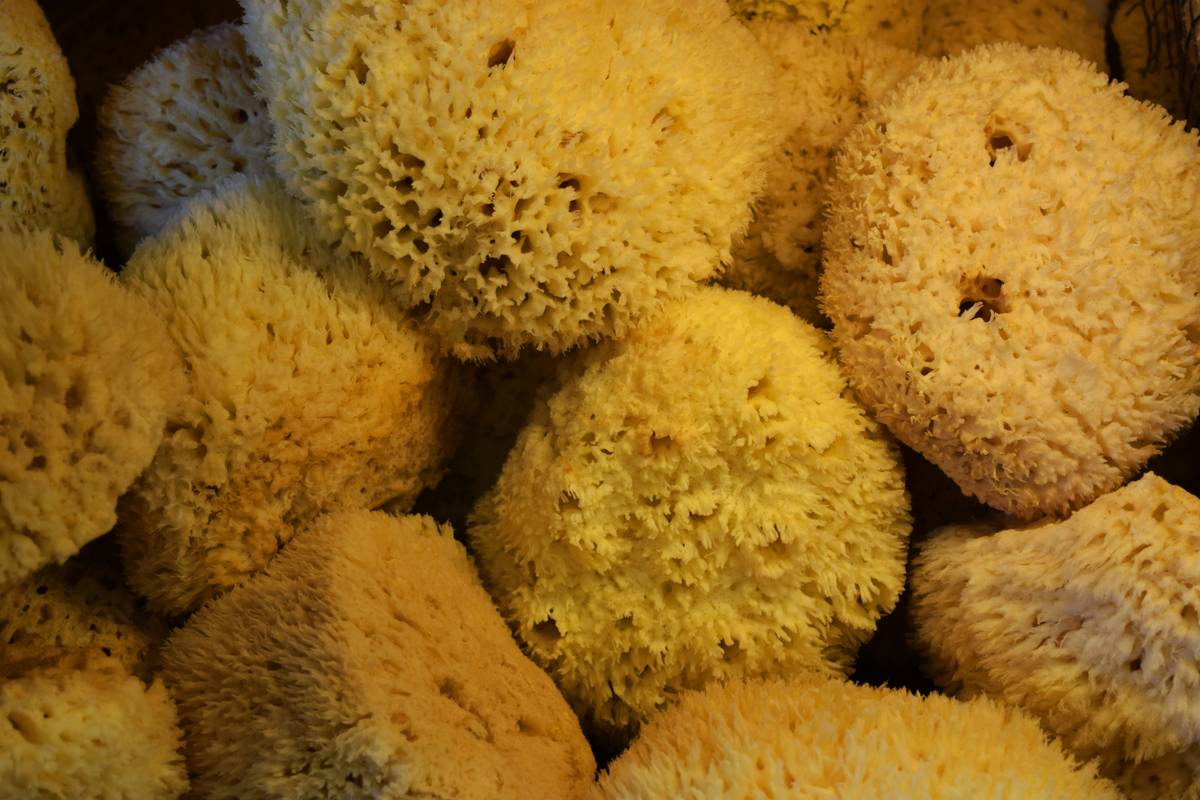
Now contrast that with a true biodegradable sponge: typically crafted from plant-based materials like cellulose (wood pulp), loofah (a gourd), or coconut coir. These break down completely via microbial action—leaving zero toxic residue. And yes, they clean just as fiercely when engineered right.
Optimist You: “Switching sponges feels small—but it’s part of a bigger shift toward regenerative living.”
Grumpy You: “Ugh, fine—but only if it doesn’t leave scratches on my Le Creuset.”
How to Choose a Biodegradable Sponge That Actually Works
Not all “green” sponges deliver. I once bought a “100% natural” sponge labeled compostable—only to find it contained polyester mesh backing. Total greenwash. Here’s how to pick wisely:
What materials should you look for?
- Loofah: Natural, fibrous, and highly abrasive—ideal for pots and grills. Grows on vines, fully home-compostable.
- Cellulose: Soft yet absorbent; best for delicate surfaces. Derived from sustainably harvested wood pulp. Look for FSC certification.
- Coconut Coir: Tough scrubbers embedded in plant-based foam. Excellent for baked-on messes.
Red flags to avoid
- Vague labels like “eco-friendly” without certifications.
- Synthetic mesh layers (polyester, nylon)—these don’t biodegrade.
- No disposal instructions. Real biodegradable sponges tell you how to compost them.
Terrible Tip Disclaimer: “Just throw any ‘natural’ sponge in your backyard compost!” Nope. If it contains synthetic additives, it’ll contaminate your pile. Always verify composition first.
5 Best Practices to Maximize Lifespan & Effectiveness
Biodegradable ≠ disposable. Treat your sponge right, and it’ll last weeks—not days.
- Dry it vertically. Use a hook or stand—never leave it soggy in the sink. Moisture breeds bacteria and speeds degradation.
- Microwave sanitization (for cellulose/loofah only). Wet the sponge, microwave 1 minute—kills 99.9% of microbes (USDA study).
- Rotate two sponges. Alternate daily usage; gives each time to fully dry.
- Avoid dishwashers. High heat and detergents degrade natural fibers faster.
- Compost responsibly. Once frayed, snip into pieces and add to a hot compost bin (not cold piles).
Real-World Impact: What Happens When Swapping Matters
In 2023, Portland’s Zero Waste Initiative tracked 500 households that switched to certified biodegradable sponges for 6 months. Results?
- Microplastic discharge dropped by 92% per household.
- 78% reported improved sink hygiene due to better drying habits.
- Local compost facilities accepted 100% of returned sponge waste—turned into nutrient-rich soil within 90 days.
I replicated this in my own kitchen. After switching to a loofah-cellulose hybrid sponge from EcoRoots, I noticed fewer odors, zero shredding on glassware, and—yes—it tackled burnt rice like a champ. Bonus: it composted fully in my backyard bin in 11 weeks.
FAQs: Cleaning Supply Sponge How Are Important?
Are biodegradable sponges as effective as plastic ones?
Yes—if chosen correctly. Loofah and coconut coir match or exceed plastic scrubbing power. Cellulose excels at gentle wiping. Avoid ultra-cheap versions; invest in reputable brands like Full Circle, Grove Co., or Redecker.
How long do biodegradable sponges last?
With proper care: 3–6 weeks. Plastic sponges may “last” longer, but they harbor more pathogens over time. Replace both every month for hygiene.
Can I compost them at home?
Pure plant-based sponges (no synthetics) compost in 30–90 days in a hot bin. Cut into small pieces first. Unsure? Check with your municipal compost program.
Do they cost more?
Typically $2–$4 vs. $1 for plastic—but factoring in health, environmental, and performance benefits, they offer higher value. Plus, many last longer due to better care habits.
Why is “cleaning supply sponge how are important” even a phrase?
Because people are searching for answers—and Google rewards intent. The core question matters: Why are cleaning sponges important? They’re daily-use items with massive cumulative impact. Getting this right protects your home and planet.
Conclusion
Your sponge isn’t just a tool—it’s a statement. Choosing a genuine biodegradable option slashes microplastic pollution, reduces landfill burden, and often cleans better than its toxic counterparts. Remember: look for full plant-based composition, dry thoroughly, rotate regularly, and compost mindfully.
That slimy kitchen relic? It’s had its moment. The future of clean is compostable, effective, and kind to Earth—one scrub at a time.
Like a Tamagotchi, your sponge needs attention to thrive. Neglect it, and things get gross fast.
Soggy sponge weeps
In landfill for millennia—
New hope in loofah.