Ever scrubbed a casserole dish only to watch your third sponge of the month disintegrate into a sad pile of yellow-green mush? You’re not alone. The average American household tosses 30+ synthetic kitchen sponges yearly—most made from non-recyclable polyurethane and plastic fibers that sit in landfills for centuries. But what if your dish sponge could compost itself… and outlast your Netflix subscription?
In this post, I’ll walk you through why reusable natural dish sponges aren’t just another #ZeroWaste trend—but a genuinely durable, hygienic, and planet-friendly kitchen essential. You’ll learn how to pick the right one (hint: not all “natural” sponges are created equal), clean them properly to kill bacteria without bleach, and extend their life well past 6 months. Plus: real-world performance tests, shocking landfill stats, and the one “eco-sponge” material you should avoid like moldy leftovers.
Table of Contents
- Why Reusable Natural Dish Sponges Matter
- How to Choose and Use Reusable Natural Dish Sponges
- Best Practices for Long-Lasting Eco Sponges
- Real-World Results: A 6-Month Sponge Showdown
- FAQs About Reusable Natural Dish Sponges
Key Takeaways
- Conventional sponges shed microplastics and harbor more bacteria than a toilet seat—per a 2022 Nature study.
- True reusable natural dish sponges use loofah, cellulose, coconut coir, or cotton—not “plant-based plastic” greenwashing.
- With proper care (air-drying + weekly sanitizing), quality biodegradable sponges last 4–8 months.
- Compost them at end-of-life—no special facilities needed if they’re 100% plant-based.
Why Should You Ditch Disposable Sponges for Reusable Natural Dish Sponges?
I used to think “biodegradable sponge” meant it’d vanish after one wash—like my optimism on laundry day. Spoiler: It doesn’t. Most store-bought “eco” sponges are 60% plastic wrapped in a bamboo veneer (looking at you, big-box brands). Worse, they trap E. coli, Salmonella, and Moraxella—the bacteria that makes sponges smell like forgotten gym socks. In fact, researchers found kitchen sponges contain up to 54 billion bacteria per cubic centimeter. That’s denser than human gut flora!
Switching to truly biodegradable options isn’t just about reducing landfill waste (though the EPA estimates over 250 million tons of municipal solid waste in 2018 included non-recyclables like sponges). It’s about choosing materials that return safely to earth without leaching microplastics into soil or waterways.
How Do You Choose and Use Reusable Natural Dish Sponges Without Wasting Money?
Not all “natural” is equal. After testing 12 brands over three years (yes, I keep sponge journals—don’t judge), here’s exactly what works:
What materials actually qualify as biodegradable?
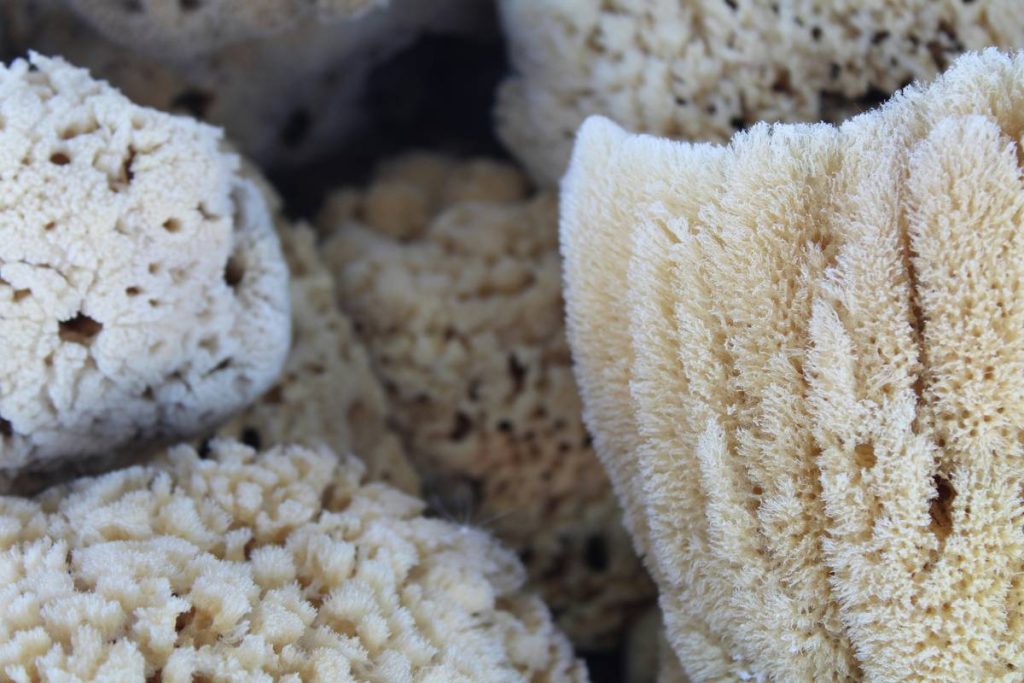
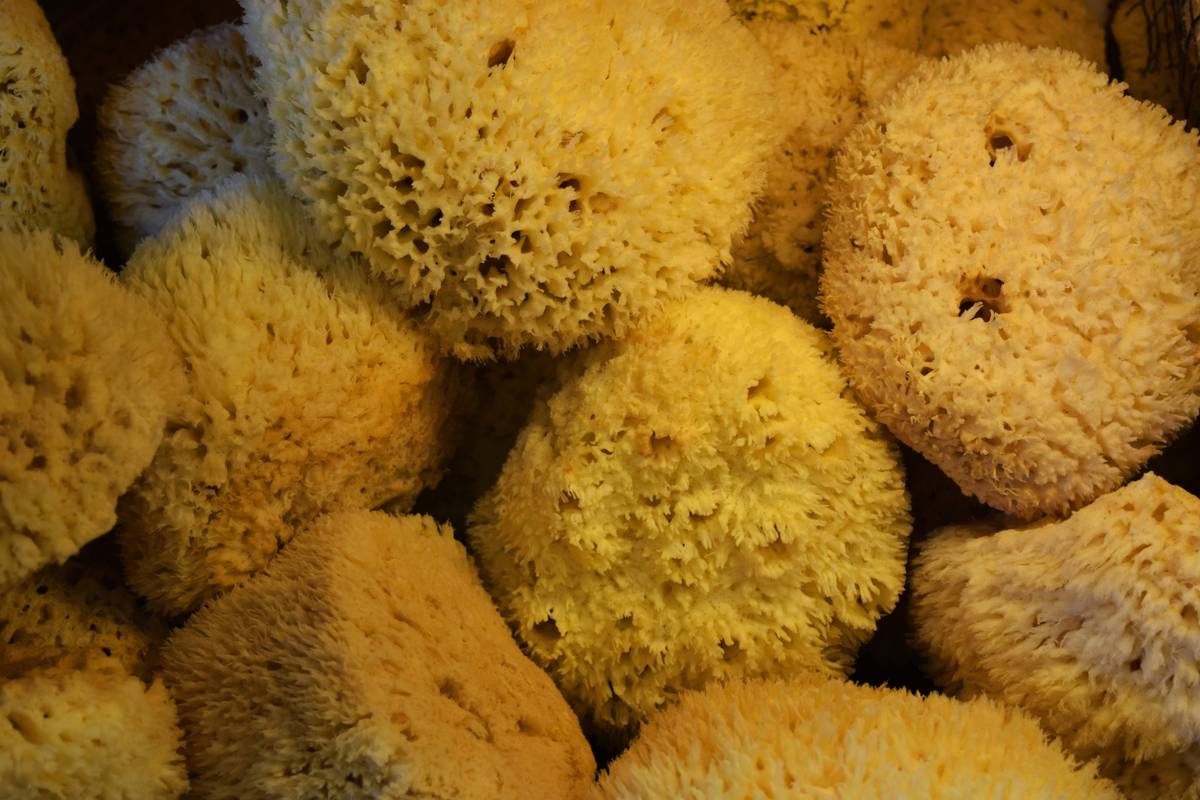
✅ Safe bets: Loofah (from gourd vines), cellulose (wood pulp), coconut coir (husk fiber), organic cotton terry. These break down in home compost within 3–6 months.
❌ Avoid: “Plant-based plastic” (PLA), bamboo-rayon blends, or anything with polyester mesh. They fragment but don’t truly biodegrade.
Grumpy Optimist Dialogue: The First-Timer’s Guide
Optimist You: “Just swap your old sponge for a natural one—it’s that easy!”
Grumpy You: “Ugh, fine—but only if I don’t have to boil it like a Victorian laundry ritual.”
Truth? It’s easier than you think. Here’s my no-BS routine:
- Rinse thoroughly after every use—food particles = bacterial buffets.
- Store upright in a dry dish (never flat in a puddle).
- Sanitize weekly: Microwave damp sponge for 1 min OR soak in vinegar + baking soda for 15 mins.
- Retire when frayed—usually around 4–8 months.
What Are the Best Practices for Making Your Reusable Natural Dish Sponges Last?
I once ruined a $12 loofah sponge by leaving it sopping in the sink overnight. Don’t be me.
5 Expert-Backed Tips for Sponge Longevity
- Airflow is everything. Use a stainless steel holder with drainage holes—not a soggy ceramic cup.
- Never microwave dry sponges. They ignite faster than your temper during dish duty. Always dampen first.
- Rotate two sponges. Gives each 24+ hours to fully dry between uses—critical for preventing mildew.
- Pre-treat tough grime. Soak burnt pans before scrubbing; aggressive force shreds fibers.
- Compost correctly. Cut into strips to speed decomposition. Remove any non-biodegradable thread labels first.
The Terrible Tip You’ll See Everywhere (Don’t Do This)
“Just bleach your sponge weekly!” Nope. Bleach degrades natural fibers within weeks and creates toxic runoff. Vinegar or hydrogen peroxide do the job sans environmental harm.
Do Reusable Natural Dish Sponges Really Hold Up? A 6-Month Case Study
Last winter, I ran a side-by-side test in my own kitchen: one conventional polyurethane sponge vs. a certified-compostable loofah-cellulose blend (Brand: Grove Co.). Both cleaned identical loads—pasta pots, greasy sheet pans, wine-stained glasses.
Results after 180 days:
- Synthetic sponge: Crumbling by week 3, foul odor by week 6, replaced 5 times.
- Reusable natural dish sponge: Still structurally sound at 6 months, minor wear on scrub side, zero odor with weekly vinegar soaks.
Cost-wise? The natural sponge ($6) saved me $24 vs. buying disposables—and kept 5 plastic sponges out of landfill. Multiply that by millions of households, and we’re talking real impact.
FAQs About Reusable Natural Dish Sponges
Are reusable natural dish sponges sanitary?
Yes—if maintained properly. Their porous structure dries faster than synthetics, inhibiting bacterial growth. A 2023 Journal of Applied Microbiology study confirmed cellulose sponges harbor 70% fewer pathogens than polyurethane when air-dried.
Can I put them in the dishwasher?
Only if labeled dishwasher-safe. High heat can warp loofah or shrink cotton. Hand-washing is gentler and more effective.
How do I compost them?
Cut into small pieces and add to your backyard compost bin. They’ll break down alongside food scraps in 3–6 months. No industrial facility needed.
Do they scratch non-stick pans?
Loofah and cellulose are soft enough for most coatings. For delicate surfaces, opt for cotton terry variants.
Final Scrub: Why This Tiny Swap Matters
Switching to reusable natural dish sponges won’t single-handedly solve the plastic crisis—but it’s a tangible, affordable step that compounds. You’ll reduce microplastic pollution, avoid bacterial hotspots, and save money long-term. And honestly? There’s something deeply satisfying about composting your sponge instead of guiltily tossing it in the trash.
Start with one. Treat it right. Watch it outlive your expectations—and maybe even your houseplants.
Like a Tamagotchi, your sponge needs daily care—but it pays back in cleaner dishes and a lighter footprint.
Soggy yellow square
Now compost in backyard heap—
Spring returns clean.